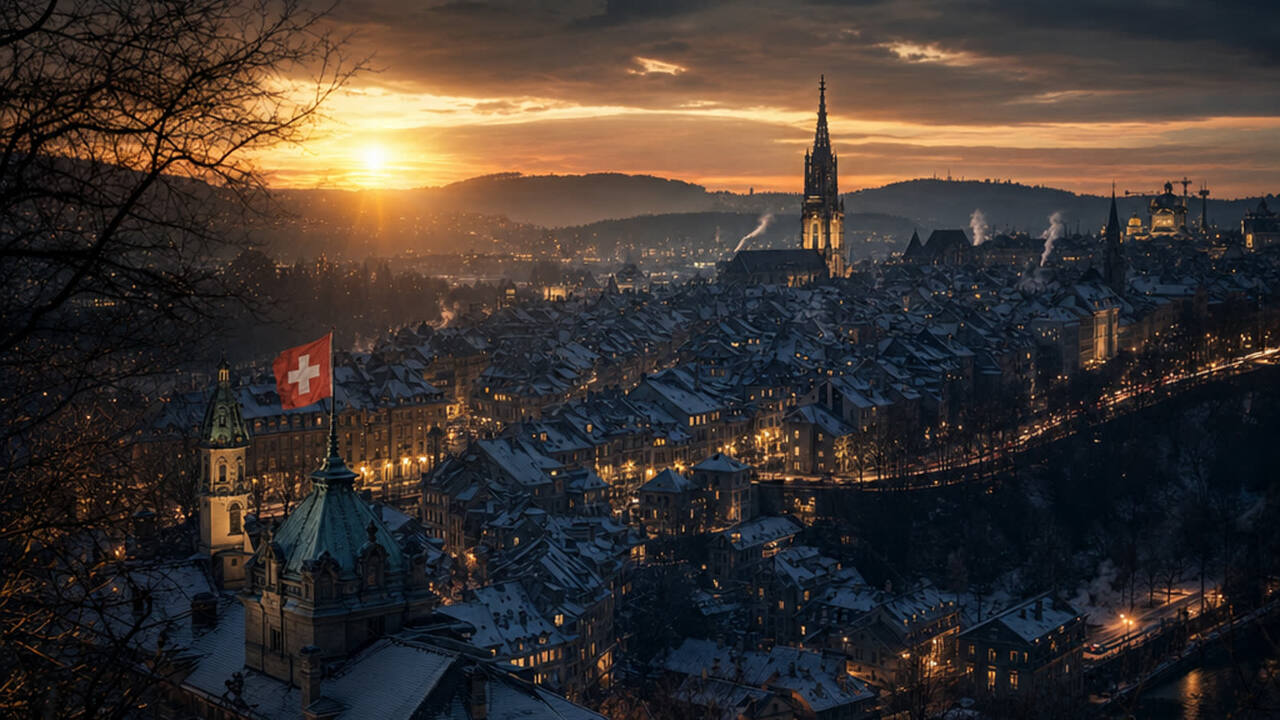
The Swiss presidency changes hands every January, and almost nobody notices — including most Swiss citizens. The role rotates annually among seven Federal Councillors, each heading a department, none holding executive supremacy. There is no West Wing, no Downing Street drama, no cult of personality. The system is so deliberately anti-charismatic that many Swiss struggle to name their current president without checking.
This is not a bug. It is the central feature of a constitutional design that has kept one of Europe's most linguistically and religiously fractured societies remarkably stable since 1848.
The magic formula that defies political gravity
The Federal Council operates on what the Swiss call the Zauberformel — the magic formula — an informal power-sharing arrangement that has distributed seats among the four largest parties since 1959. The center-right holds two seats, the social democrats two, the populist right two, and the centrists one. Elections to the Council happen in parliament, but the formula ensures that no single party dominates and that losers of parliamentary elections still govern.
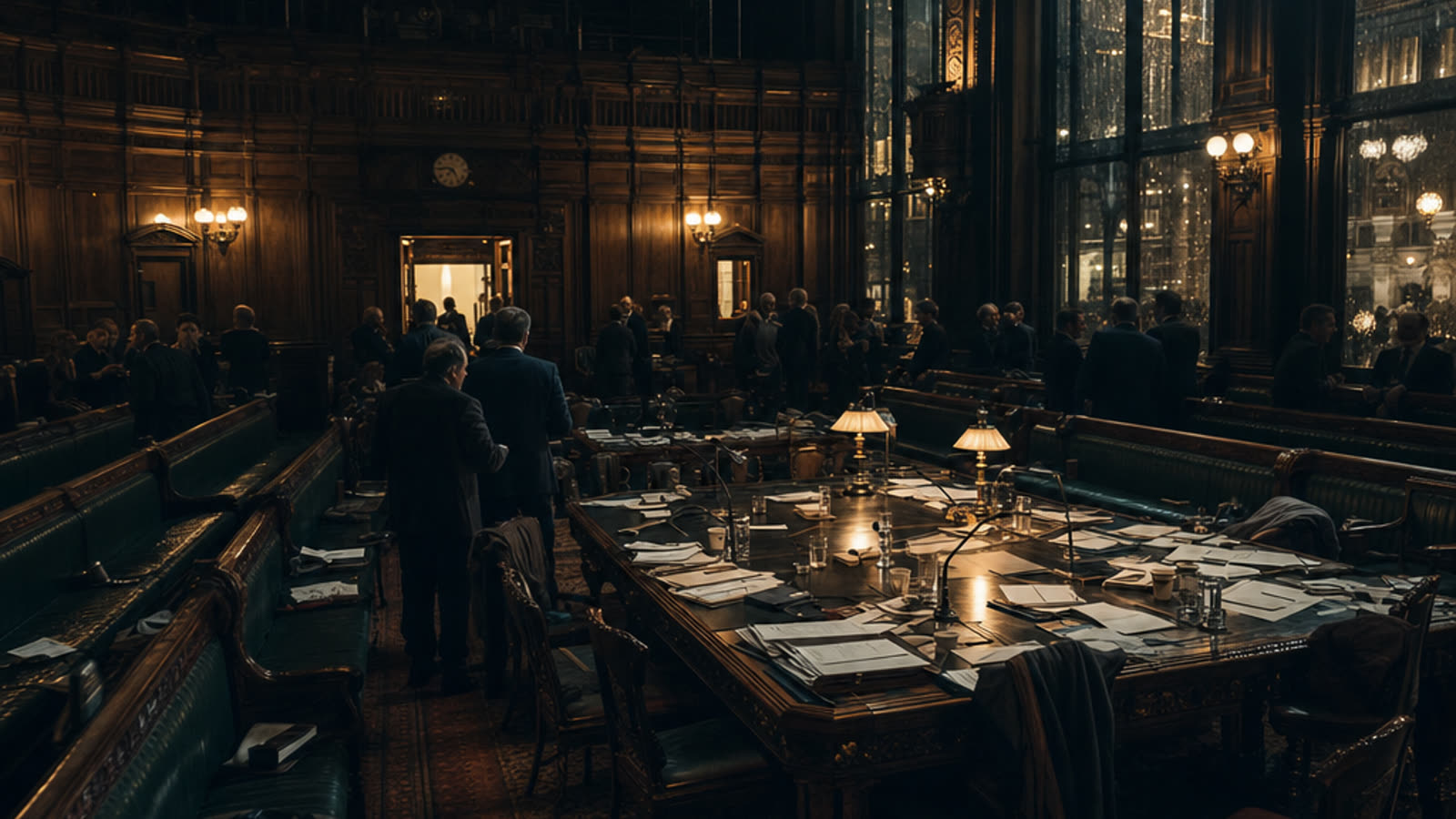
This produces something foreign to Westminster or Washington: permanent coalition without coalition agreements. Federal Councillors are expected to defend collective decisions publicly even when their own party opposed them internally. The principle of Kollegialität — collegiality — means that once the seven vote, dissent goes silent. Ministers do not resign in protest. They do not brief against colleagues. They serve their four-year terms and usually get re-elected until they choose to retire.
Why consensus works when stakes feel low
Critics argue the Swiss model functions only because the country faces no existential pressures — no nuclear arsenal to manage, no permanent Security Council seat, no imperial legacy to unwind. There is truth here. Switzerland's prosperity, neutrality, and small population make high-stakes executive decisions rare. The Federal Council does not command armies into foreign wars or navigate superpower confrontations.
But this misses what the system actually optimizes for: preventing capture. In a world where democracies increasingly worry about executive overreach, institutional erosion, and the personalization of power, Switzerland offers a proof of concept. No Swiss leader has ever attempted a self-coup, suspended parliament, or claimed emergency powers to extend their tenure. The incentive structure makes such moves irrational — there is no throne to seize, only a rotating chair at a committee table.
The costs of engineered mediocrity
The tradeoff is speed. Swiss governance moves at the pace of consensus, which is glacial. Women gained federal voting rights only in 1971 — decades after most Western democracies — because direct democracy and collegiate government both favor the status quo. The country joined the United Nations in 2002, the last Western European state to do so. Reforms that require disruption struggle to pass through a system designed to sand down sharp edges.
For ambitious politicians, the Federal Council is a career ceiling with a low roof. There are no legacy projects, no presidential libraries, no memoirs that reshape national narratives. The most successful Swiss executive is the one whose tenure produces the fewest memorable moments.
Our take
The Swiss Federal Council will never export well. It requires a political culture so allergic to heroism that citizens genuinely prefer anonymity in their leaders — a preference most democracies cannot manufacture. But as an existence proof, it matters enormously. It demonstrates that executive power can be diffused without paralysis, that coalition government can function without formal coalition deals, and that democracy's health does not depend on finding the right strongman. In an era when too many nations are learning the cost of charismatic leadership, Switzerland's boring committee deserves more attention than it gets.