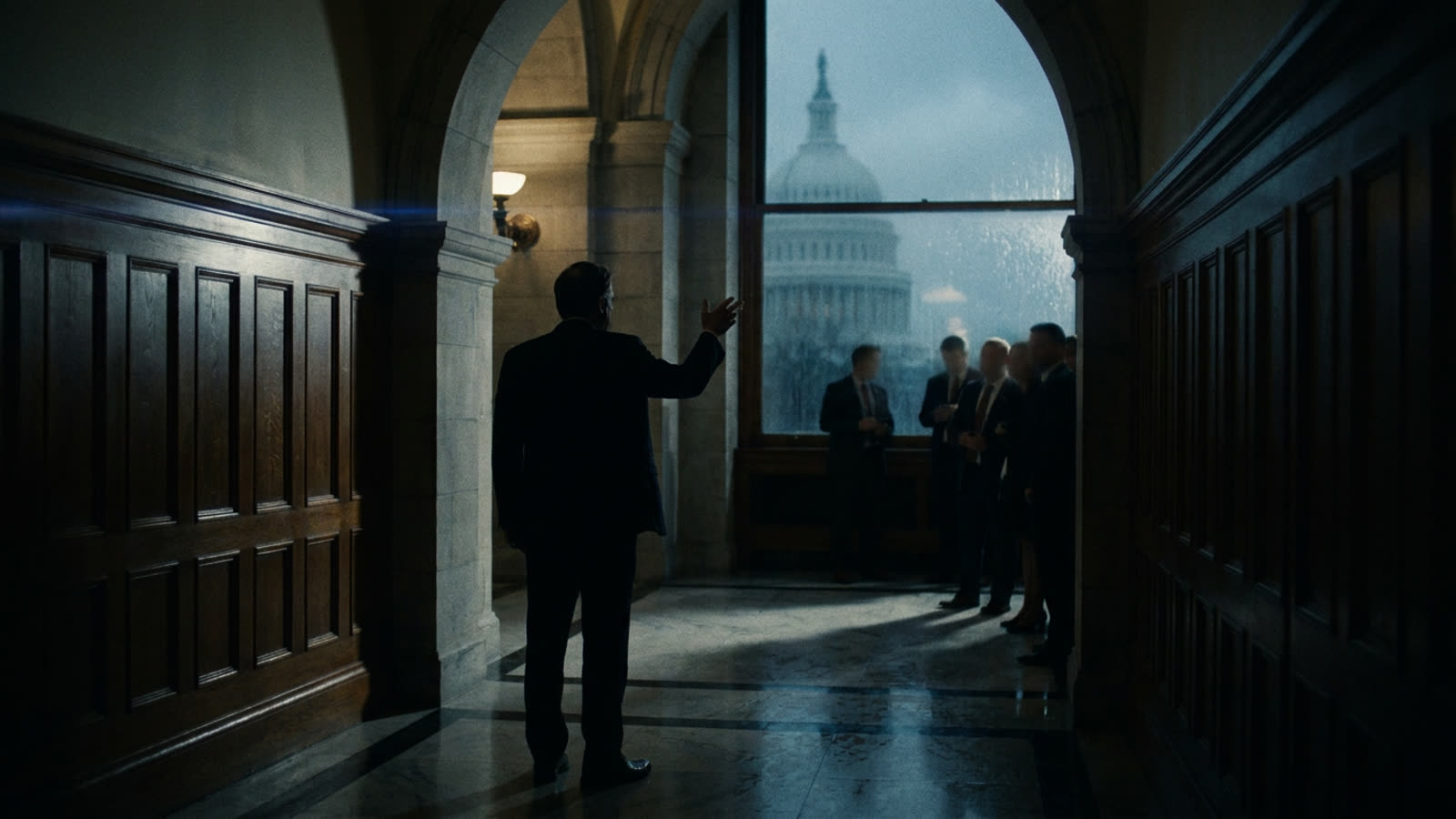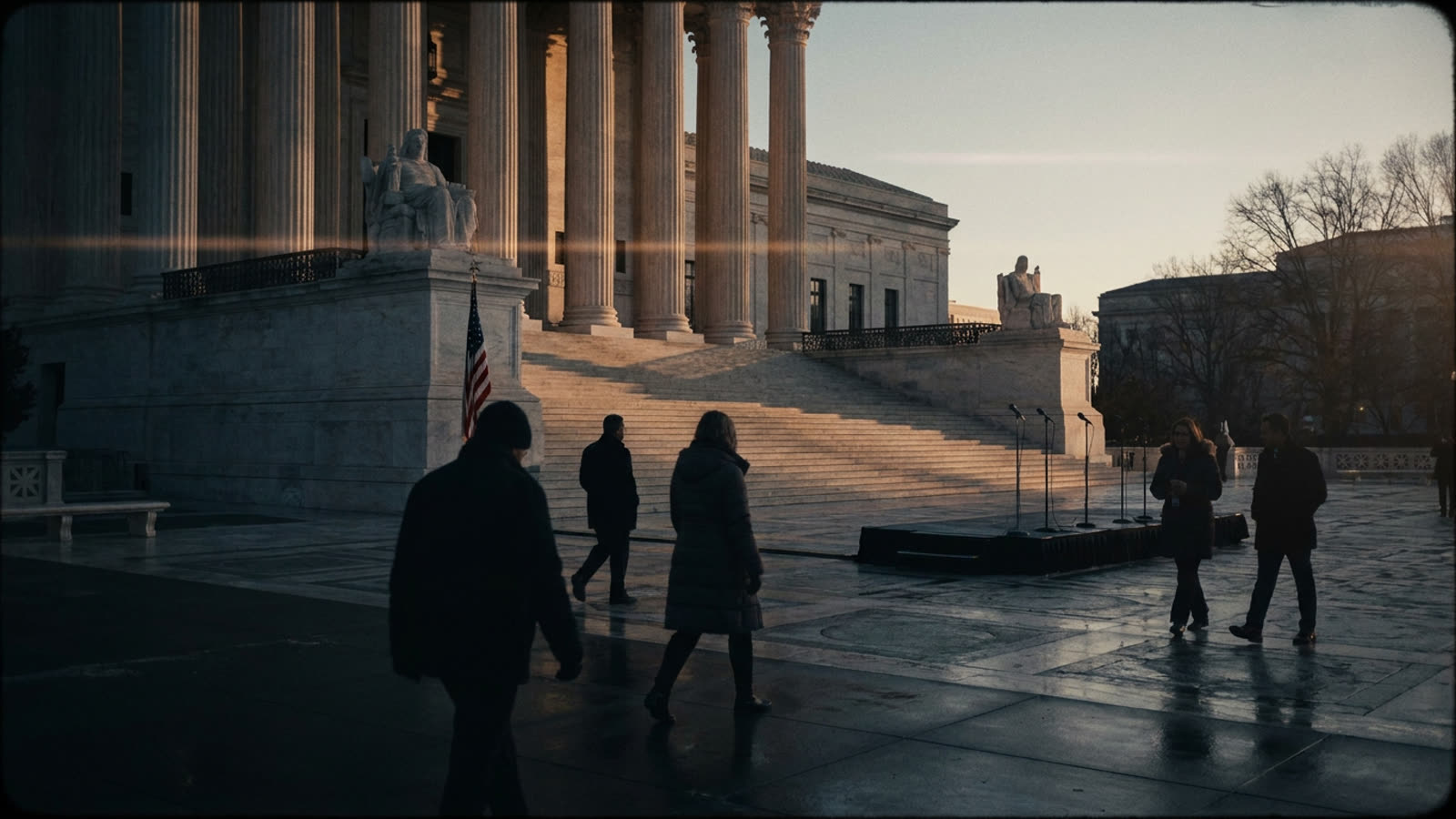
The United States Constitution dedicates exactly thirty-seven words to how Supreme Court justices reach the bench. The President "shall nominate, and by and with the Advice and Consent of the Senate, shall appoint" judges of the Supreme Court. That's it. No timeline. No criteria. No definition of what "advice and consent" actually means. This deliberate vagueness has transformed confirmation battles into the most revealing theater in American politics.
The architecture of ambiguity
The Founders debated judicial appointments extensively at the Constitutional Convention, but their final product reflects compromise rather than consensus. Some delegates wanted the Senate alone to choose justices; others preferred presidential appointment with no legislative check whatsoever. The resulting hybrid satisfied no one completely, which may have been the point. Alexander Hamilton, writing in Federalist No. 76, argued the arrangement would prevent both executive tyranny and legislative faction. He imagined a dignified process where qualified nominees sailed through with minimal drama.
Hamilton was spectacularly wrong. The very first contested nomination—John Rutledge for Chief Justice in 1795—ended in rejection after senators objected to his criticism of a treaty. The precedent was set immediately: "advice and consent" could mean whatever the Senate wanted it to mean.
The modern gauntlet
Today's confirmation process bears no resemblance to anything the Founders envisioned. A nominee faces FBI background investigations, American Bar Association evaluations, courtesy calls to dozens of senators, and days of televised hearings before the Judiciary Committee. None of this is constitutionally required. The hearings themselves only became standard practice after 1955, when the Senate decided it wanted nominees to testify in person.
The questions have evolved accordingly. Early hearings focused on professional qualifications and temperament. Now senators probe nominees on specific legal doctrines, seeking commitments that nominees are trained never to give. This creates a peculiar ritual: senators ask questions everyone knows won't be answered, nominees offer responses everyone knows are evasive, and both sides pretend this constitutes meaningful deliberation. The actual decisions happen elsewhere—in vote-counting conversations, in calculations about political consequences, in assessments of whether opposition will energize or exhaust a senator's base.
The filibuster's ghost
Until 2017, Supreme Court nominees needed sixty votes to overcome a filibuster, meaning the minority party held real leverage. That threshold forced presidents toward consensus picks and gave the opposition genuine negotiating power. When the Senate eliminated the filibuster for Supreme Court nominations, it didn't just change the math—it transformed the entire strategic landscape. Presidents no longer need to consider whether a nominee can attract any support from the opposing party. The confirmation process has become a pure exercise in majority control, which is perhaps more honest but certainly more brutal.
Our take
The confirmation process reveals a fundamental truth about American constitutionalism: the document's silences matter as much as its commands. The Founders created a system that requires the executive and legislative branches to cooperate on judicial appointments but provided no mechanism for resolving disagreements. Every generation has filled that gap according to its own political logic. The current era has chosen raw majoritarianism. Future eras will choose something else. The Constitution will accommodate whatever they decide, because on this question, it was designed to say almost nothing at all.