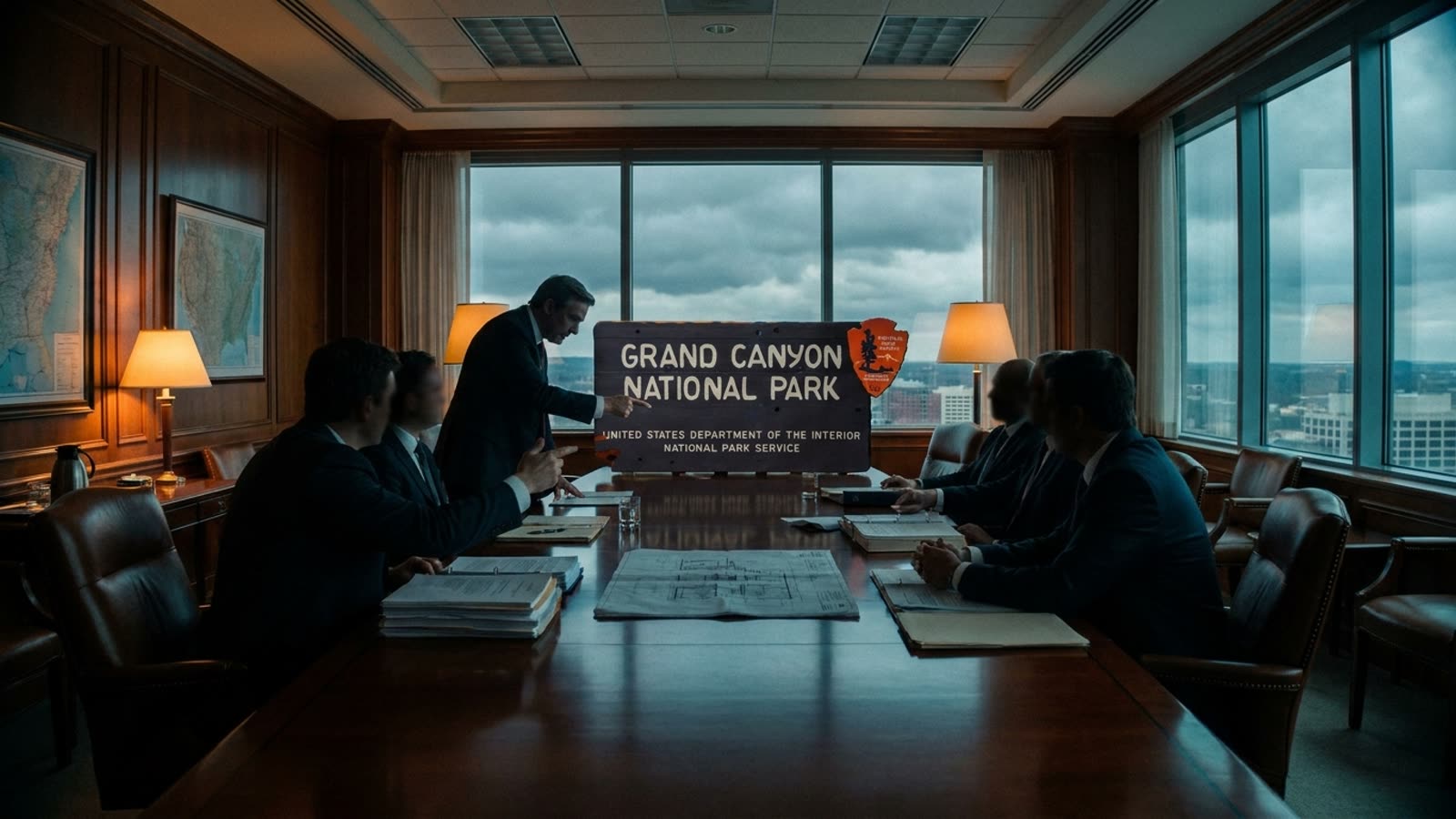
The dispute sounds almost comically small: a handful of interpretive signs at national parks, quietly edited to remove references to climate change, Indigenous history, and certain environmental protections. But when U.S. District Judge Miranda Chen ordered the Trump administration on Friday to restore the altered signage within 30 days, she was adjudicating something far larger than typography. She was drawing a line around the executive branch's authority to rewrite the story America tells itself on public land.
The case, brought by a coalition of environmental groups and the National Parks Conservation Association, argued that the Interior Department's directive to modify educational displays violated the National Environmental Policy Act and the Organic Act of 1916, which established the National Park Service's dual mandate to conserve scenery and wildlife while providing for public enjoyment. The administration countered that interpretive content falls within routine agency discretion—a housekeeping matter, not a constitutional crisis.
Judge Chen disagreed. Her 47-page opinion found that the changes were neither routine nor content-neutral, but rather a systematic effort to suppress scientific consensus and minimize acknowledgment of tribal sovereignty. The ruling is narrow in scope—it applies only to the specific signs identified in the complaint—but its reasoning suggests broader vulnerability for similar initiatives across federal agencies.
The politics of park signage
National parks have always been contested ideological terrain. Theodore Roosevelt framed them as monuments to American exceptionalism; later generations added layers of ecological science and Indigenous recognition. The Trump administration's edits represented a reversion to an older, simpler narrative: nature as backdrop for recreation, history as triumphalist pageant.
The alterations were not subtle. At Yellowstone, a panel explaining how climate change affects geyser activity was replaced with text emphasizing geothermal tourism. At Mesa Verde, references to the Ancestral Puebloans' displacement were softened to describe them as having "moved on." At Everglades, a display on wetland loss omitted any mention of sea-level rise. Interior Department officials defended the changes as efforts to make parks "more welcoming" and less "politically charged."
What the ruling actually requires
The injunction compels the National Park Service to restore 23 specific signs to their pre-2025 language and prohibits further modifications to interpretive materials without a formal public comment period. It does not establish a permanent standard for park content, nor does it prevent Congress from legislating different guidelines. The administration has already signaled it will appeal to the Ninth Circuit, where the case could take months to resolve.
In the interim, the signs become a strange kind of monument themselves—physical artifacts of a legal skirmish that most park visitors will never notice. The average family photographing Old Faithful is unlikely to parse the difference between "geothermal dynamics influenced by changing precipitation patterns" and "geothermal dynamics shaped by underground water systems." The distinction matters enormously to scientists, historians, and tribal nations. It matters less to the summer vacation crowd.
Our take
This is a case about signs, but it is really a case about custody—who gets to narrate the American landscape, and under what constraints. Judge Chen's ruling is a modest check on executive overreach, not a sweeping victory for environmental truth-telling. The administration will appeal, Congress could intervene, and the next Interior Secretary could simply wait out the injunction. But the principle established here is worth noting: federal land belongs to the public, and the public has standing to demand that its story not be quietly revised. That is a small thing. It is also not nothing.