The fragile US-Iran ceasefire, barely weeks old, is collapsing under the weight of mutual escalation, and the timing could not be worse for an American president trying to project strength to nervous NATO allies.
What began as isolated incidents has cascaded into the most serious test of the truce since its announcement. The United States has launched fresh strikes on Iranian oil infrastructure after Tehran-backed forces attacked liquefied natural gas and oil tankers in the Gulf. Iran, in turn, has reinstated its posture of active resistance. The cycle is accelerating faster than diplomats can manage it.
The Ankara backdrop
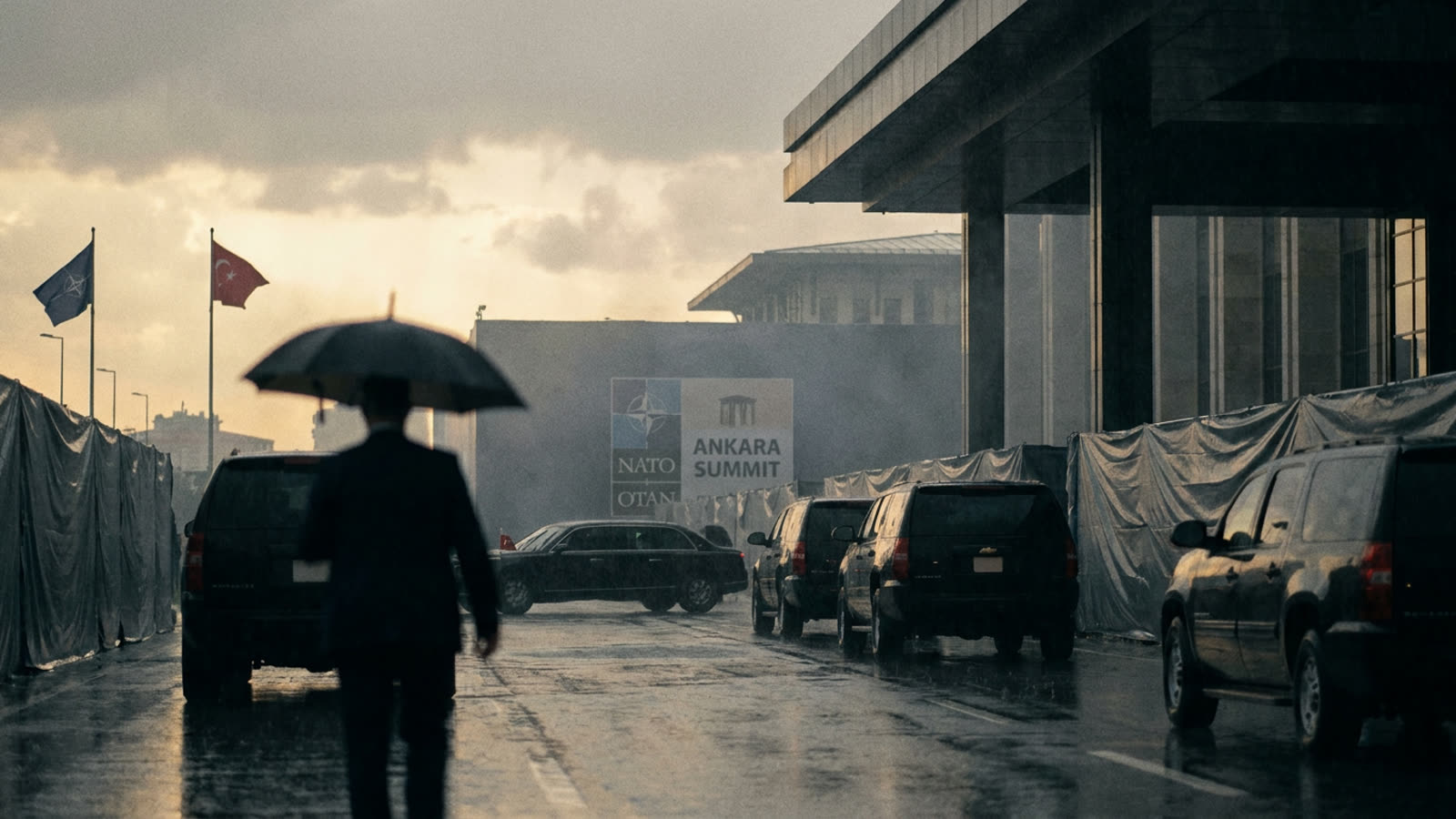
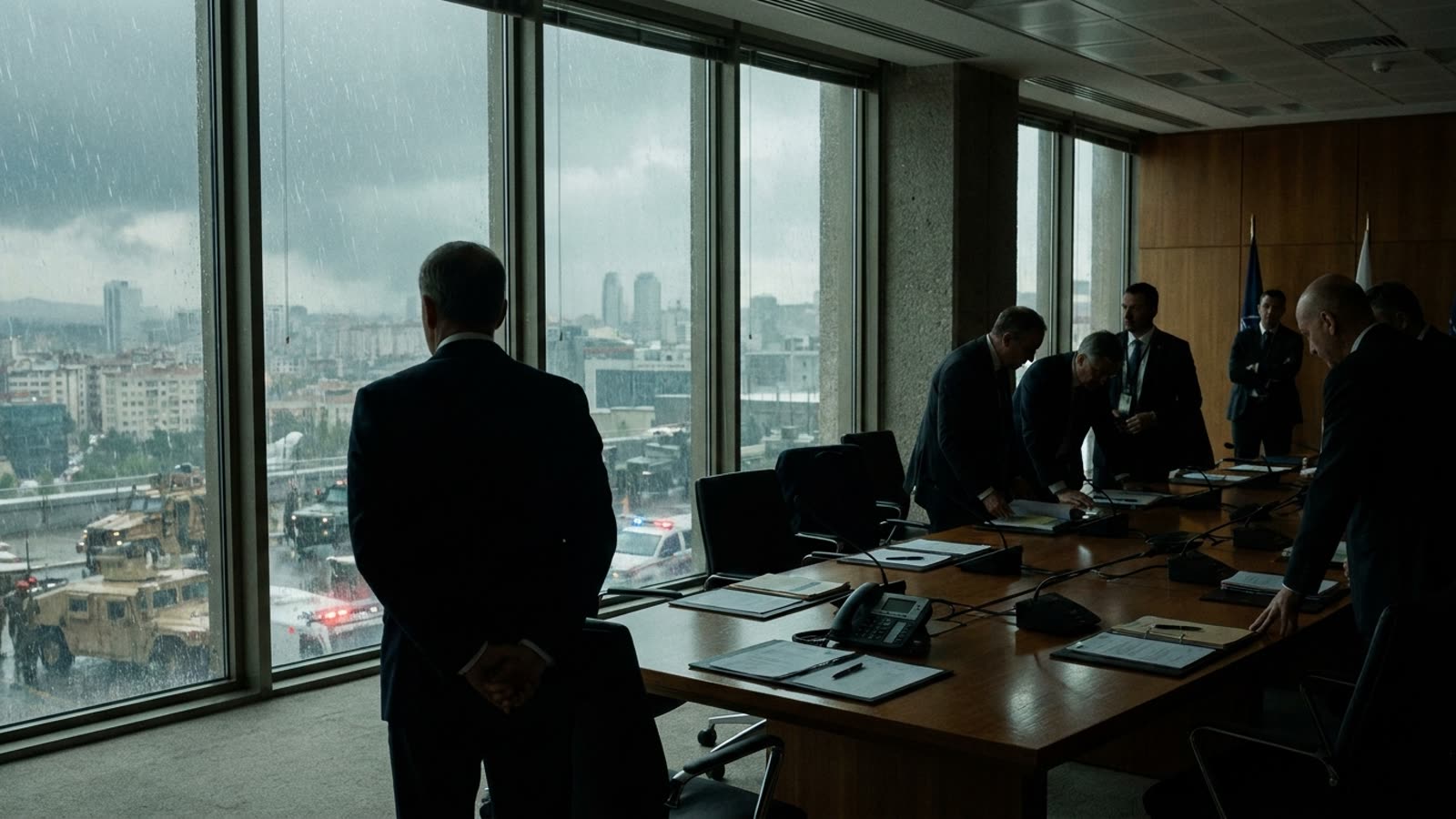
NATO leaders convened in Turkey expecting to discuss burden-sharing, defense spending, and the alliance's eastern flank. Instead, they find themselves watching the Middle East situation deteriorate by the hour. The summit has effectively been hijacked by events, with bilateral huddles on Iran replacing scheduled sessions on European security architecture.
For President Trump, the optics are complicated. He arrived in Ankara with characteristic theatrical flair, but the substance of his visit has been overtaken by the very conflict he claimed to have resolved. The ceasefire was supposed to be a signature diplomatic achievement, proof that maximum pressure combined with dealmaking could deliver results where previous administrations failed. That narrative is now in serious jeopardy.
The sanctions ratchet
Washington's response has been to reinstate sanctions on Iranian oil sales, a move that signals the administration believes the ceasefire framework is no longer operative in any meaningful sense. The logic is familiar: squeeze Iran's revenue until it returns to compliance. But this approach assumes Tehran has somewhere to retreat to. Having already endured years of economic isolation, Iranian hardliners may calculate they have little left to lose from escalation.
The tanker attacks represent a deliberate provocation, targeting the global energy supply chain in a manner designed to impose costs on the broader international community, not just the United States. Oil prices have already spiked on the disruption, and shipping insurers are reassessing Gulf routes. The economic ripple effects will be felt far beyond the immediate conflict zone.
Alliance fractures
NATO's European members are watching with a mixture of alarm and frustration. Many were skeptical of the ceasefire from the outset, viewing it as a Trumpian exercise in premature victory declaration. Now they face the prospect of being dragged into a wider conflict they had no part in negotiating. Turkey, as host, finds itself in an especially awkward position, maintaining economic ties with Iran while hosting an alliance meeting dominated by anti-Iranian sentiment.
The summit's final communiqué, whatever it says, will be overshadowed by the question no one can answer: is this the beginning of a new Gulf war, or merely a dangerous but containable flare-up?
Our take
Ceasefires built on ambiguity tend to collapse ambiguously. The US-Iran truce was always more ceasefire-adjacent than ceasefire-actual, a pause in hostilities that neither side interpreted the same way. What we are witnessing is not a violation of clear terms but the inevitable result of terms that were never clear. Trump wanted a deal he could announce; Iran wanted sanctions relief it never received. Both sides are now reverting to type, and NATO finds itself holding a summit about yesterday's agenda while tomorrow's crisis unfolds.