Democracy's most consequential decisions are often made in fluorescent-lit conference rooms by officials whose names never appear on any ballot. Electoral commissions — the administrative bodies that manage the machinery of voting — occupy a peculiar position in democratic governance: they are simultaneously essential to legitimate elections and almost entirely invisible to the publics they serve. This obscurity is both their strength and their vulnerability.
The basic premise sounds neutral enough. Someone must print ballots, maintain voter rolls, designate polling locations, and count the results. Yet each of these technical tasks contains profound political choices. Where you draw a constituency boundary can predetermine its winner for a generation. How you verify voter eligibility can expand or contract the electorate by millions. The hours you keep polls open, the identification you require, the machines you purchase — every administrative decision carries political weight.
The spectrum of independence
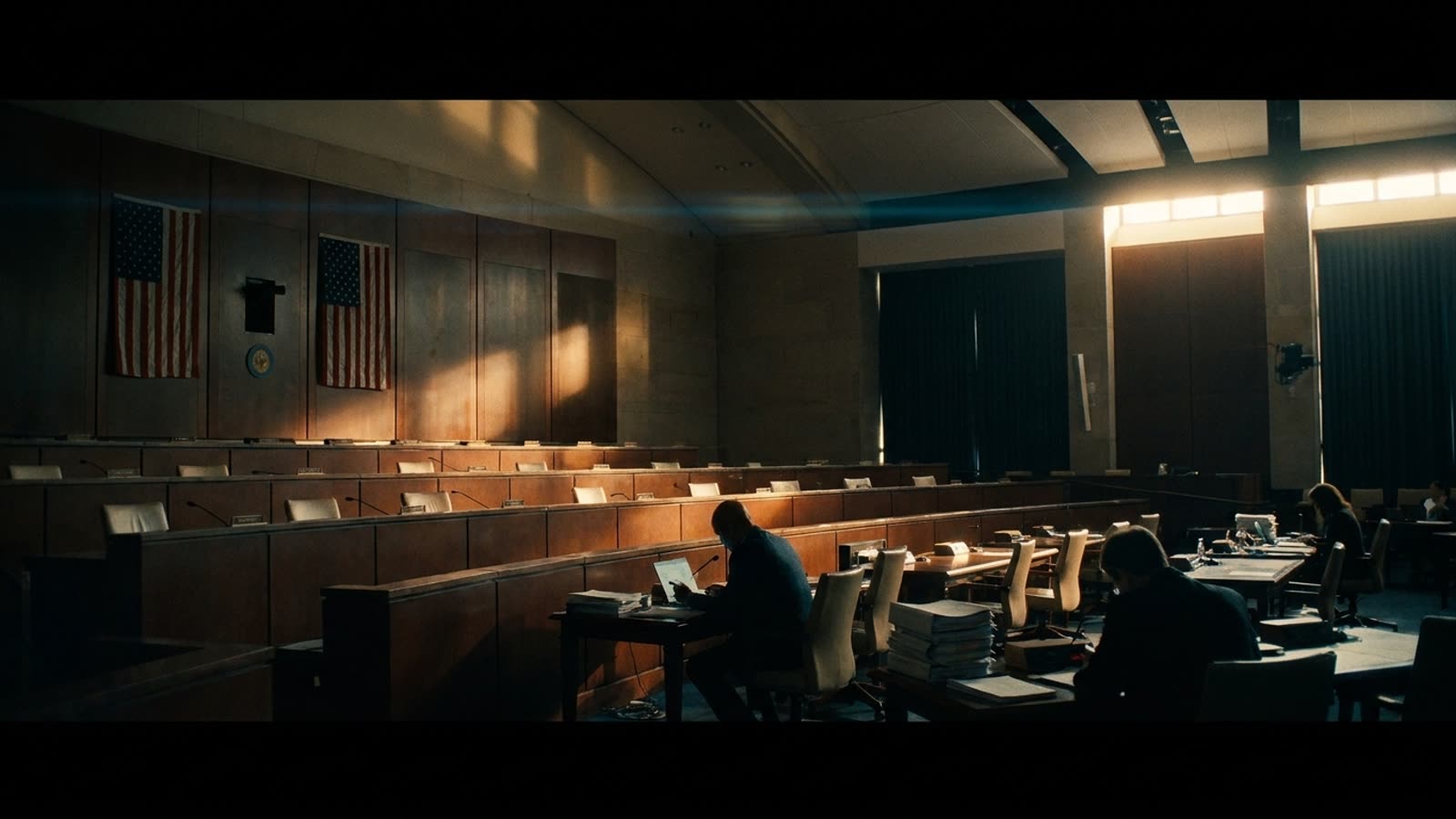
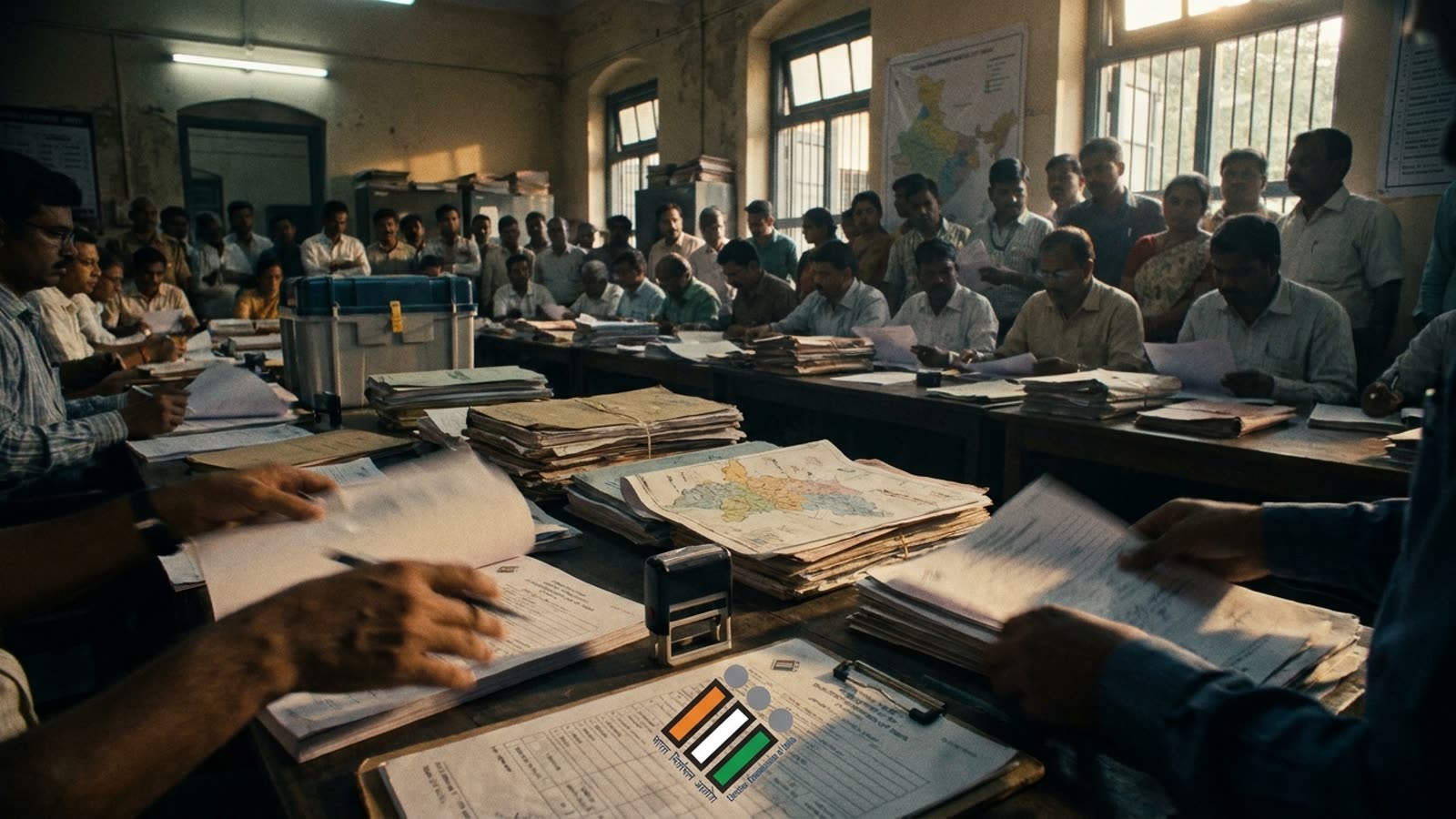
Electoral commissions vary enormously in their structure and autonomy. At one end sits a body like India's Election Commission, a constitutional authority whose chief commissioner enjoys tenure protections similar to a Supreme Court justice and commands a bureaucracy capable of organizing the world's largest democratic exercise. At the other end, the United States lacks any national electoral authority; elections are administered by roughly 8,000 separate jurisdictions, from state secretaries (often elected partisans) down to county clerks who may oversee voting as one duty among many.
Between these poles lie endless variations. Australia's commission is respected for its independence but answers to parliament. Mexico created an autonomous electoral institute in the 1990s specifically to break the ruling party's grip on election administration, a reform widely credited with enabling genuine multiparty competition. France splits responsibilities between the Interior Ministry and a constitutional council. Each arrangement reflects a society's particular anxieties about where the threat to electoral integrity is most likely to originate.
The boundary question
Perhaps no commission power matters more than redistricting — the periodic redrawing of electoral maps to reflect population shifts. In systems where legislatures draw their own districts, the results are predictably self-serving. The American practice of gerrymandering, named for an early Massachusetts governor whose party created a district shaped like a salamander, has become so sophisticated that computer algorithms can now optimize boundaries for partisan advantage with surgical precision.
Independent boundary commissions emerged as the democratic world's answer to this problem. Britain's Boundary Commissions operate under statutory rules requiring roughly equal constituency populations and respect for local ties. New Zealand's commission includes a judge as chair. These bodies still make contestable choices — compactness versus community coherence, urban versus rural representation — but they make them without direct partisan incentive. The difference in outcomes is measurable: countries with independent boundary authorities show markedly less partisan bias in the translation of votes to seats.
When commissions fail
The fragility of electoral administration becomes visible mainly in crisis. Kenya's disputed elections have repeatedly turned on whether the commission could be trusted to count accurately. Belarus's commission certified results in 2020 that bore no plausible relationship to pre-election polling, triggering mass protests. Venezuela's electoral authority has become an instrument of the ruling party rather than a check upon it.
Yet failure need not be dramatic to be consequential. Underfunded commissions that cannot maintain accurate voter rolls, train sufficient poll workers, or replace aging equipment create the conditions for confusion, delay, and lost confidence — even when no fraud occurs. The legitimacy elections confer depends not only on actual fairness but on perceived fairness, and perception requires competence as much as integrity.
Our take
The genius of electoral commissions, when they work, is that they make democracy boring. They transform what could be a contested power grab into a routine administrative process, draining elections of the violence and uncertainty that characterized pre-democratic transfers of power. But this very boringness makes them easy to neglect, underfund, and quietly capture. Citizens who cannot name their electoral officials might consider that ignorance a luxury — one that depends entirely on those officials deserving the obscurity they currently enjoy.