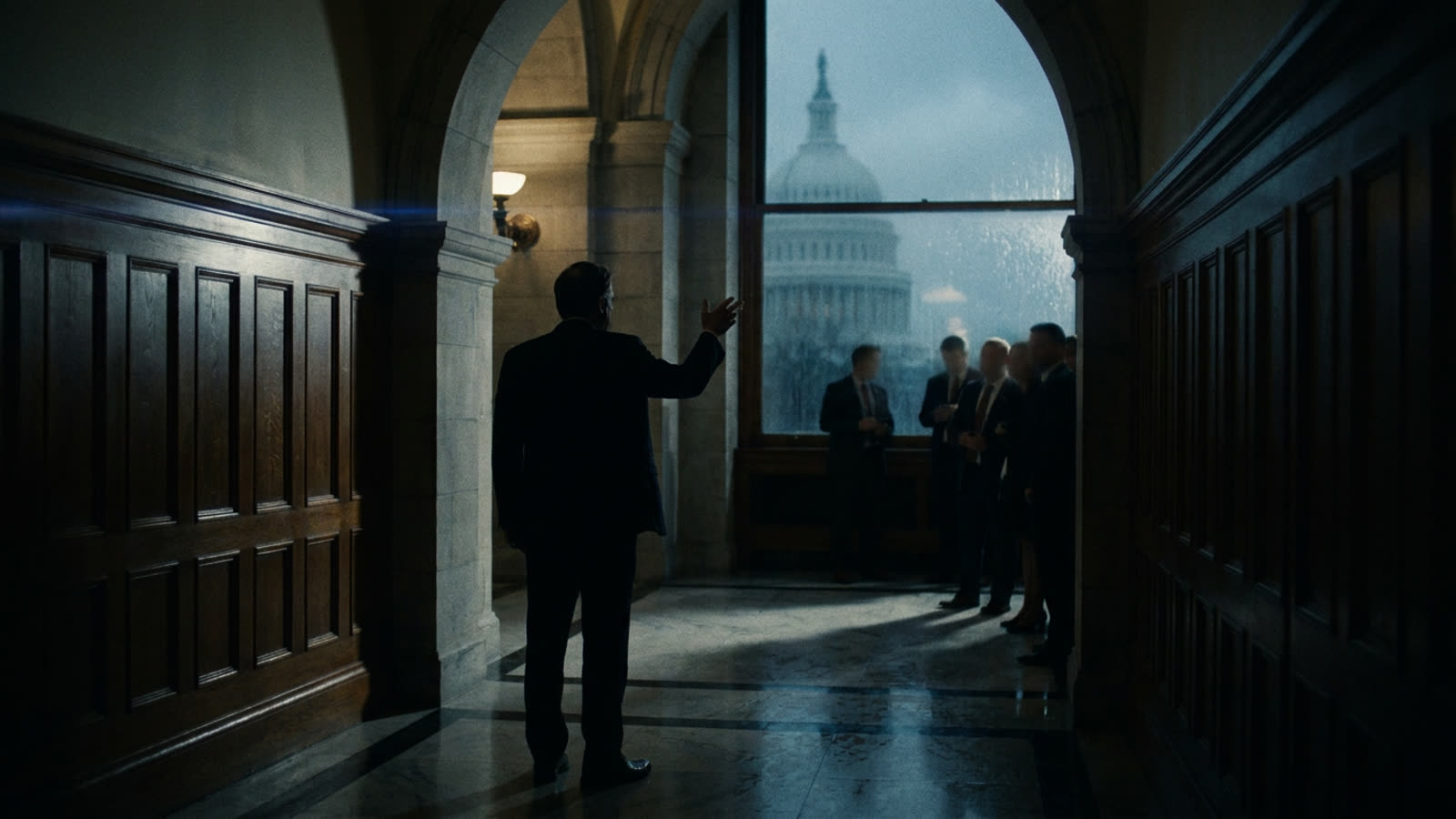
Democracy's most consequential decisions often happen in fluorescent-lit conference rooms, months before election day, by officials whose names never appear on any ballot. Electoral commissions — the administrative bodies charged with running elections — possess enormous discretionary power over who can compete, where boundaries fall, and which votes ultimately count. Their design varies wildly across democracies, and that variation matters far more than most citizens appreciate.
The fundamental tension is straightforward: elections require administrators, but those administrators inevitably make judgment calls that advantage some parties over others. How a country resolves this tension reveals much about its democratic health.
The spectrum of independence
At one end sit genuinely autonomous bodies like India's Election Commission, which commands constitutional protection, controls its own budget, and has historically shown willingness to postpone elections, ban campaign advertisements, and sanction sitting ministers. At the other end, the United States fragments electoral administration across more than eight thousand local jurisdictions, many run by partisan elected officials who simultaneously appear on the ballots they oversee. Most democracies fall somewhere between — Germany's Federal Returning Officer operates with professional independence but limited enforcement powers; Mexico's National Electoral Institute emerged from decades of single-party rule specifically to break the ruling party's grip on vote-counting.
The design choices cascade. Commissions that control redistricting can entrench incumbents for a generation. Those that set ballot-access requirements determine whether insurgent movements can compete or must watch from the margins. Bodies empowered to disqualify candidates — as Iran's Guardian Council routinely does, or as Thailand's courts have done to multiple prime ministers — effectively pre-select the menu voters choose from.
The certification bottleneck
Certification, the formal declaration of results, has emerged as an unexpected pressure point. Long treated as ceremonial, it has become contested terrain. When commissions must certify results they personally doubt, or when losing candidates refuse to accept certified outcomes, the administrative machinery confronts its own limits. The commission's legitimacy depends on perceived neutrality, but neutrality becomes impossible to maintain when one side treats the process itself as rigged.
This dynamic has played out from Belarus to Brazil to the American Southwest. The pattern is consistent: once a significant political faction decides electoral administration is the enemy, the commission's authority erodes regardless of its actual conduct. Professionalism offers no defense against bad-faith accusations.
Why structure outlasts personnel
Reformers often focus on appointing the right people — nonpartisan experts, retired judges, civil society figures. But institutional design constrains even well-intentioned commissioners. A body dependent on legislative funding remains vulnerable to budget threats. One whose members serve at the pleasure of the executive cannot credibly rule against that executive's interests. Staggered terms, supermajority requirements for major decisions, and transparent processes matter more than any individual appointment.
The healthiest electoral systems share certain features: clear statutory authority, adequate and protected funding, genuine multipartisan or nonpartisan composition, and — crucially — public confidence that the body serves voters rather than incumbents. These features cannot be improvised during a crisis; they must be built during calmer times.
Our take
Electoral commissions are democracy's plumbing — invisible when functioning, catastrophic when blocked. The citizens who pay closest attention to their design, composition, and authority tend to be those who've watched democracies fail. Everyone else discovers their importance too late, during the contested election when the obscure body suddenly holds the country's fate. The time to care about electoral administration is always before it matters.