Every four years, Americans rediscover that they do not directly elect their president, and every four years they are freshly outraged. The Electoral College—that peculiar mechanism by which 538 individuals actually cast the votes that matter—strikes modern sensibilities as archaic at best, antidemocratic at worst. But dismissing it as a historical accident misses the point entirely. The Electoral College is not a vestigial organ of American democracy; it is the cardiovascular system.
The Founders were not confused. They were afraid. Having just escaped monarchy, they distrusted concentrated power in any form—including the form of an inflamed majority. James Madison's notes from the Constitutional Convention reveal delegates wrestling with a genuine dilemma: how to create an executive strong enough to govern but accountable enough to be removed. Direct popular election was proposed and rejected. Congressional selection was proposed and rejected. What emerged was a compromise that satisfied almost no one completely, which is how you know it was probably the right call.
The mathematics of federalism
Each state receives electors equal to its total congressional delegation—House seats plus two senators. This formula produces a mild but meaningful boost for smaller states. Wyoming, with fewer than 600,000 residents, gets three electors; California, with nearly 40 million, gets 54. Per capita, a Wyoming vote carries roughly 3.5 times the electoral weight of a California vote. Critics call this distortion. Defenders call it federalism. Both are correct.
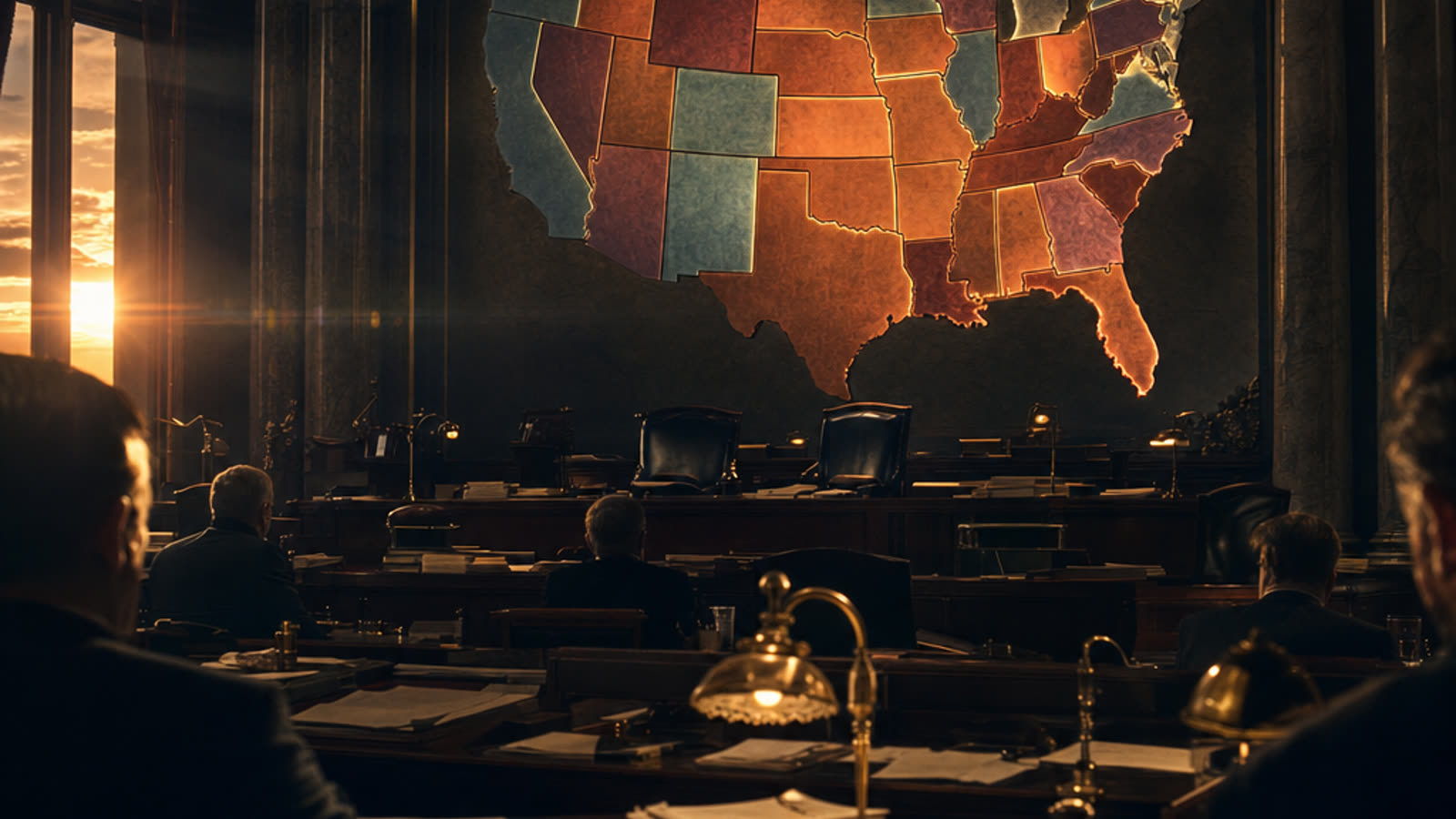
The winner-take-all allocation used by 48 states is not constitutionally mandated—Maine and Nebraska split their electors by congressional district—but it has become the dominant strategy because it maximizes state influence. A candidate who wins California by one vote or ten million receives the same 54 electors. This creates the phenomenon of "swing states" and the equally familiar phenomenon of candidates ignoring states they will definitely win or definitely lose.
The faithless elector problem
Electors are real people, and real people occasionally go rogue. In 2016, seven electors voted for someone other than their state's popular vote winner—the most defections since 1872. The Supreme Court ruled in 2020 that states may legally bind their electors and punish faithless voting, but enforcement remains uneven. The system depends, as so much of American governance does, on norms holding when laws do not.
The contingent election procedure adds another layer of complexity. If no candidate reaches 270 electoral votes, the House of Representatives selects the president, with each state delegation casting a single vote. This has happened twice, in 1800 and 1824, and nearly happened in 1968. The scenario is not merely theoretical; a strong third-party candidate could trigger it tomorrow.
Our take
The Electoral College is neither sacred nor indefensible. It was designed to balance competing fears—of mob rule, of congressional capture, of large states dominating small ones—and it continues to do exactly that, for better and worse. Abolishing it would require a constitutional amendment, meaning approval by three-fourths of state legislatures, including many small states that benefit from the current arrangement. This is not happening. The more productive question is not whether the system is fair in the abstract, but whether Americans understand the system they actually have. On that count, the evidence is not encouraging.