Every four years, Americans rediscover that they do not directly elect their president, and every four years they express surprise at this fact. The Electoral College is treated as an anachronism, a relic of powdered wigs and quill pens that somehow survived into the age of smartphones. This framing misses the point entirely. The system functions precisely as intended: it was built to mediate between popular will and elite judgment, and it continues to do exactly that.
The Constitution's framers were not confused about democracy. They were suspicious of it. The Electoral College emerged from the Philadelphia Convention of 1787 as a compromise between those who wanted Congress to choose the president and those who favored direct popular election. Neither side fully won. Instead, the delegates created an intermediary body of electors, chosen by methods left to each state, who would exercise independent judgment in selecting the executive.
The mechanics behind the mystique
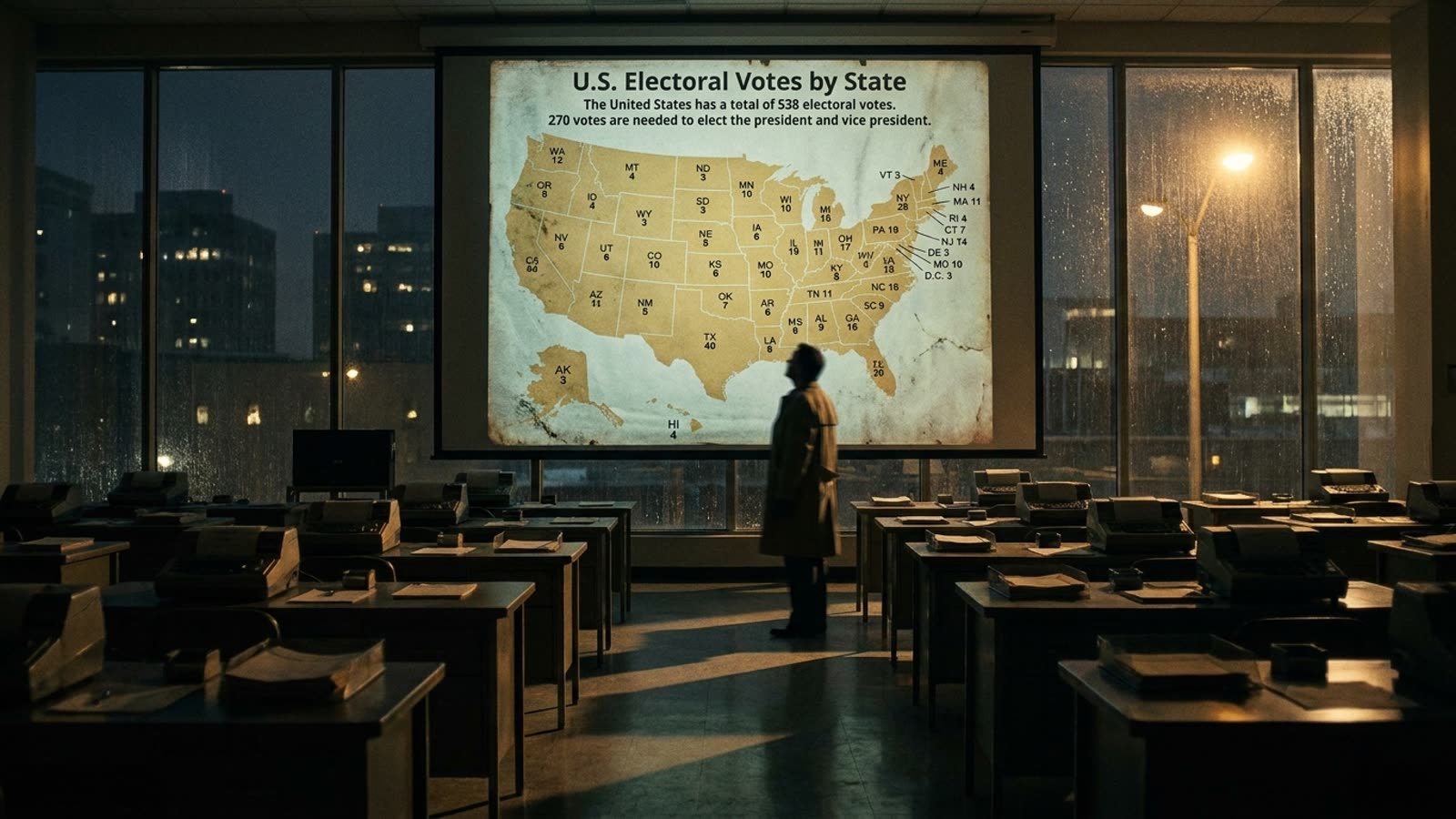
Each state receives electors equal to its total congressional delegation—House seats plus two senators. This arithmetic bakes in a structural advantage for less populous states, since every state gets at least three electors regardless of population. Wyoming's roughly half-million residents get three electors; California's nearly forty million get fifty-four. The per-capita disparity is substantial.
Forty-eight states and the District of Columbia award their electors on a winner-take-all basis. A candidate who wins Pennsylvania by a single vote claims all of its electoral votes, while millions of opposing ballots effectively vanish from the national calculus. Maine and Nebraska use a district-based allocation, but these exceptions prove the rule: the system rewards geographic concentration of support over raw numerical advantage.
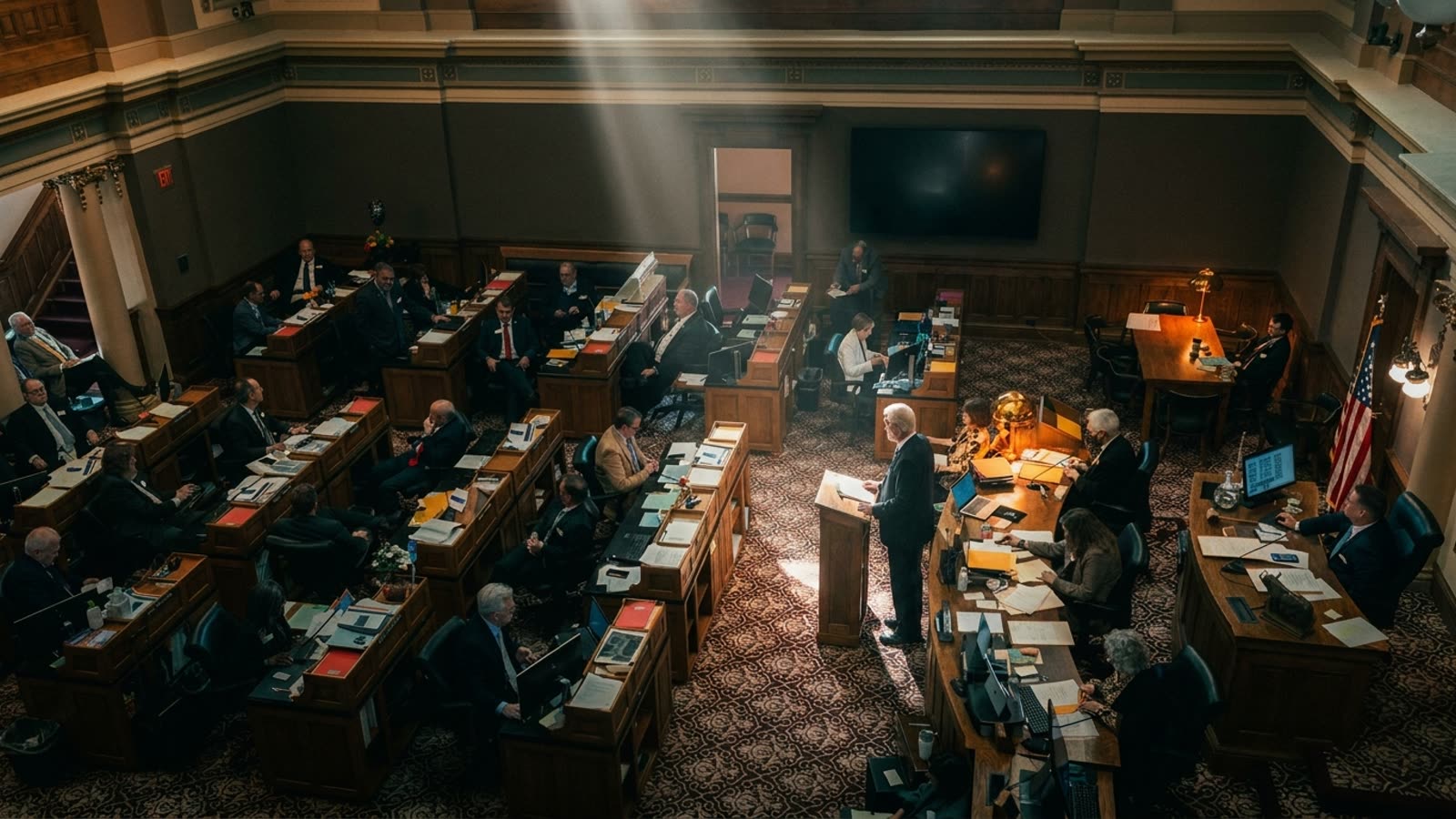
The electors themselves are typically party loyalists selected through state conventions or committee appointments. They meet in their respective state capitals in December following the election, cast their votes, and transmit the results to Congress. In January, the House and Senate convene to count the certificates. The candidate who reaches 270 electoral votes becomes president.
Why reform efforts consistently fail
Proposals to abolish or modify the Electoral College have circulated since the early nineteenth century. More than seven hundred constitutional amendments targeting the system have been introduced in Congress. None has succeeded. The barrier is structural: any amendment requires two-thirds approval in both chambers and ratification by three-quarters of state legislatures. Small states, which benefit disproportionately from the current arrangement, have no incentive to surrender their advantage.
The National Popular Vote Interstate Compact represents an alternative strategy—an agreement among states to award their electors to the national popular vote winner, regardless of their own state results. The compact would take effect only when states representing 270 electoral votes have joined. As of now, states representing just over two hundred electoral votes have signed on, but progress has stalled as the remaining holdouts tend to be competitive battlegrounds or Republican-leaning states unlikely to embrace a system that would diminish their influence.
The consequences are not hypothetical
Twice in the twenty-first century alone, candidates have won the presidency while losing the popular vote. The system does not merely introduce theoretical distortions; it produces concrete outcomes that differ from what a national majority preferred. Campaign strategy reflects this reality: candidates concentrate resources in a handful of swing states while ignoring the vast majority of Americans who live in safely partisan territory.
Our take
The Electoral College persists not because Americans lack the imagination to replace it, but because the Constitution makes replacement nearly impossible and because those who benefit from the status quo control enough veto points to preserve it. Calling it undemocratic is accurate but insufficient. It is undemocratic by design, a feature embedded in the republic's source code by men who believed that filtering popular passions through institutional intermediaries was a virtue, not a flaw. Whether that belief remains defensible is a question the system itself prevents Americans from answering directly.