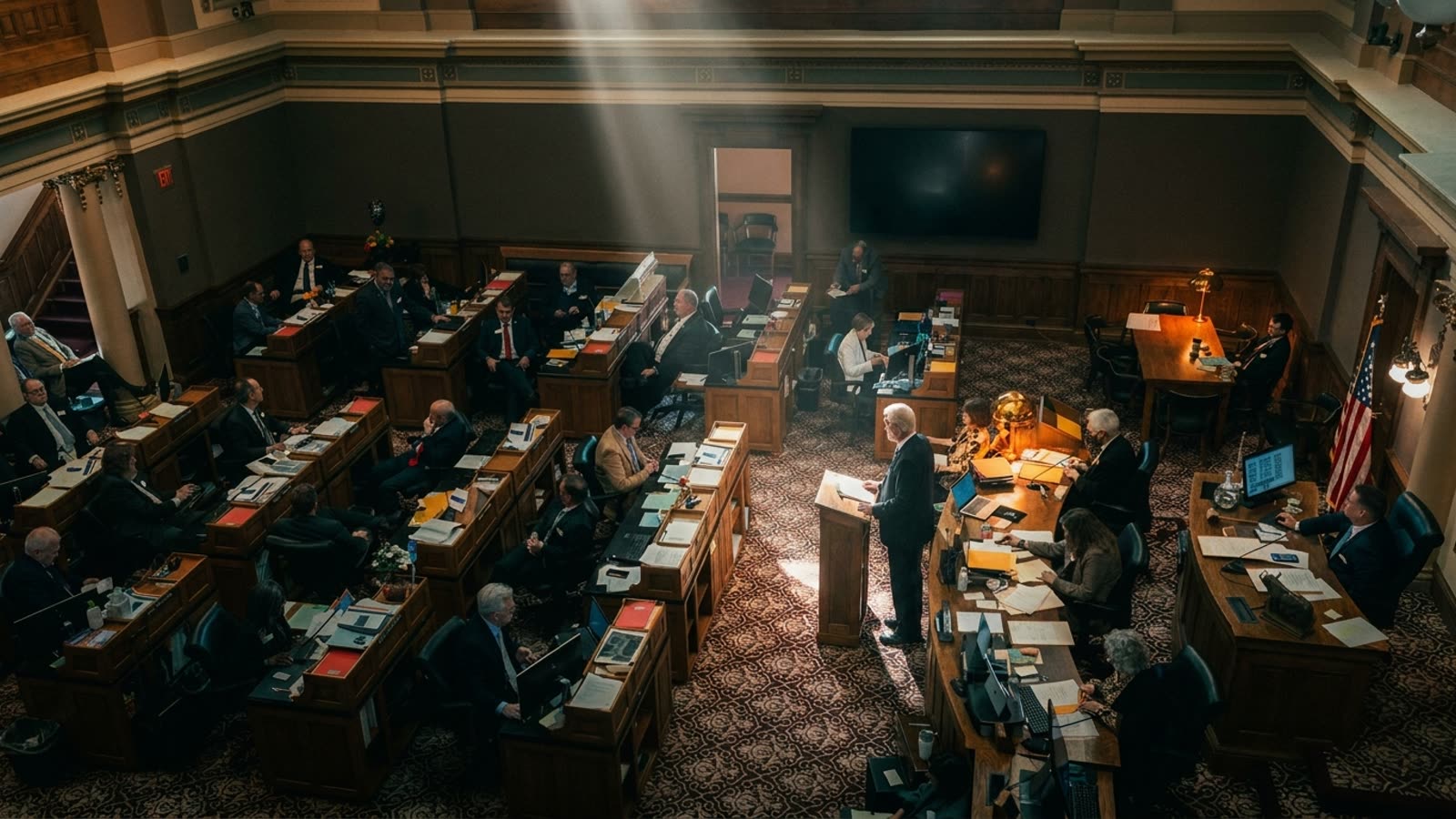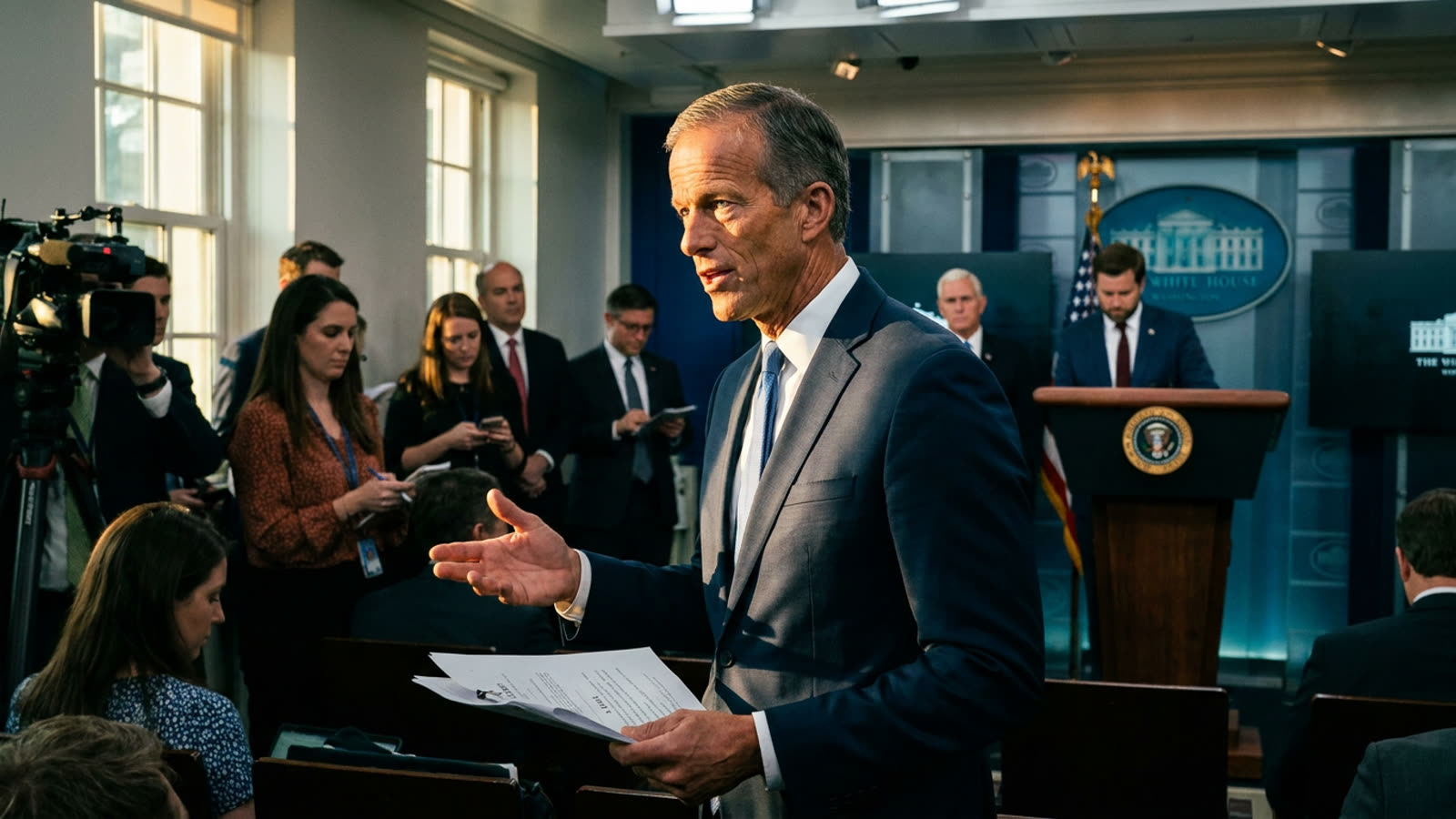
Senate Republicans do not typically advertise their anxieties about losing power. Yet John Thune, the South Dakota senator widely expected to succeed as GOP leader, is doing precisely that—telling the White House in blunt terms that a Democratic majority would mean pitched battles over judicial confirmations, spending, and the administration's broader agenda.
The warning, delivered publicly rather than through back channels, is remarkable for its timing. The 2026 midterms are still seventeen months away. Republicans hold a narrow Senate majority. And the party's standard posture is to project inevitability, not fragility. Thune's candor suggests internal polling and fundraising numbers that look considerably worse than the official optimism.
The math that haunts the GOP
Republicans are defending more Senate seats in 2026 than Democrats, a structural disadvantage compounded by the president's approval ratings and the economic uncertainty following the Iran conflict. Several incumbent Republicans in swing states face well-funded challengers, and the party's recruitment in open-seat races has been uneven. Thune's message to the White House is essentially a demand for resources and political cover: help us now, or prepare for obstruction later.
The implicit threat is also a negotiating tactic. By framing a Democratic majority as an existential threat to the administration's priorities—particularly judicial nominations—Thune is pressuring the White House to invest heavily in Senate races rather than focusing exclusively on the president's own political standing. It is a reminder that even unified government requires maintenance.
What a fight actually looks like
Thune's language—"it's going to be a fight"—is deliberately vague, but the Senate minority has genuine tools. Filibuster rules, holds on nominees, and procedural delays can slow an administration to a crawl. Democrats demonstrated this during previous Republican presidencies, and Republicans have shown equal creativity when relegated to the minority. The question is whether such tactics would be sustainable against a Democratic majority emboldened by a midterm mandate.
The more immediate concern for Thune is managing his own caucus. Senate Republicans include members who view any compromise with the administration as betrayal and others who worry that confrontation alienates suburban voters. Threading that needle while preparing for possible minority status requires a leader willing to speak uncomfortable truths—which may explain the public warning.
Our take
Thune's candor is refreshing and strategically shrewd. By lowering expectations now, he positions himself to claim credit if Republicans hold the Senate and to deflect blame if they lose it. But the subtext is unmistakable: the party's Senate majority is genuinely at risk, and the White House's political operation has not convinced Republican leaders otherwise. When the likely next leader of your caucus starts talking about minority tactics seventeen months early, the confident projections elsewhere in the party deserve skepticism.