The most consequential political innovations rarely arrive with fanfare. They slip into law through technical amendments, buried in finance bills, defended as administrative simplifications. Electoral bonds—instruments that allow anonymous donations to political parties—represent precisely this kind of stealth transformation, one that has quietly reshaped the relationship between money and power in some of the world's largest democracies.
The mechanism is deceptively simple. A donor purchases a bond from a designated bank, hands it to a political party, and the party redeems it for cash. The donor's identity remains hidden from the public, from electoral commissions, and often from rival parties. What began as an Indian experiment has spawned imitations and variations across the developing world, creating what scholars now call the "opacity infrastructure" of twenty-first-century politics.
The Indian template
India introduced electoral bonds in 2018, marketing them as a cleaner alternative to the suitcases of untraceable cash that had long fueled its campaigns. The bonds were bearer instruments, purchasable only through the State Bank of India, redeemable only by registered parties. Crucially, the scheme eliminated previous caps on corporate donations and removed the requirement that companies disclose their political contributions.
The results were immediate and dramatic. Within five years, electoral bonds had become the dominant channel for political funding, with the ruling party capturing a disproportionate share. Critics argued the system had merely replaced visible corruption with invisible dependency—corporations could now fund incumbents without competitors or shareholders ever knowing. The government countered that the banking trail provided accountability, even if that trail remained accessible only to tax authorities.
The spread of opacity
What makes electoral bonds significant beyond India is their appeal to a particular kind of political economy: large, messy democracies with weak campaign finance enforcement and powerful business interests seeking regulatory favor. Brazil, Indonesia, and several African nations have explored or implemented variations on the theme. The common thread is the promise of formalization—bringing money into the banking system—while preserving the anonymity that donors demand.
This creates a paradox that electoral reformers struggle to resolve. Transparent donation systems in countries with weak rule of law can expose donors to retaliation, extortion, or competitive disadvantage. Some anonymity may actually encourage legitimate participation. But total opacity invites capture, allowing wealthy interests to purchase influence without any public reckoning.
The constitutional question
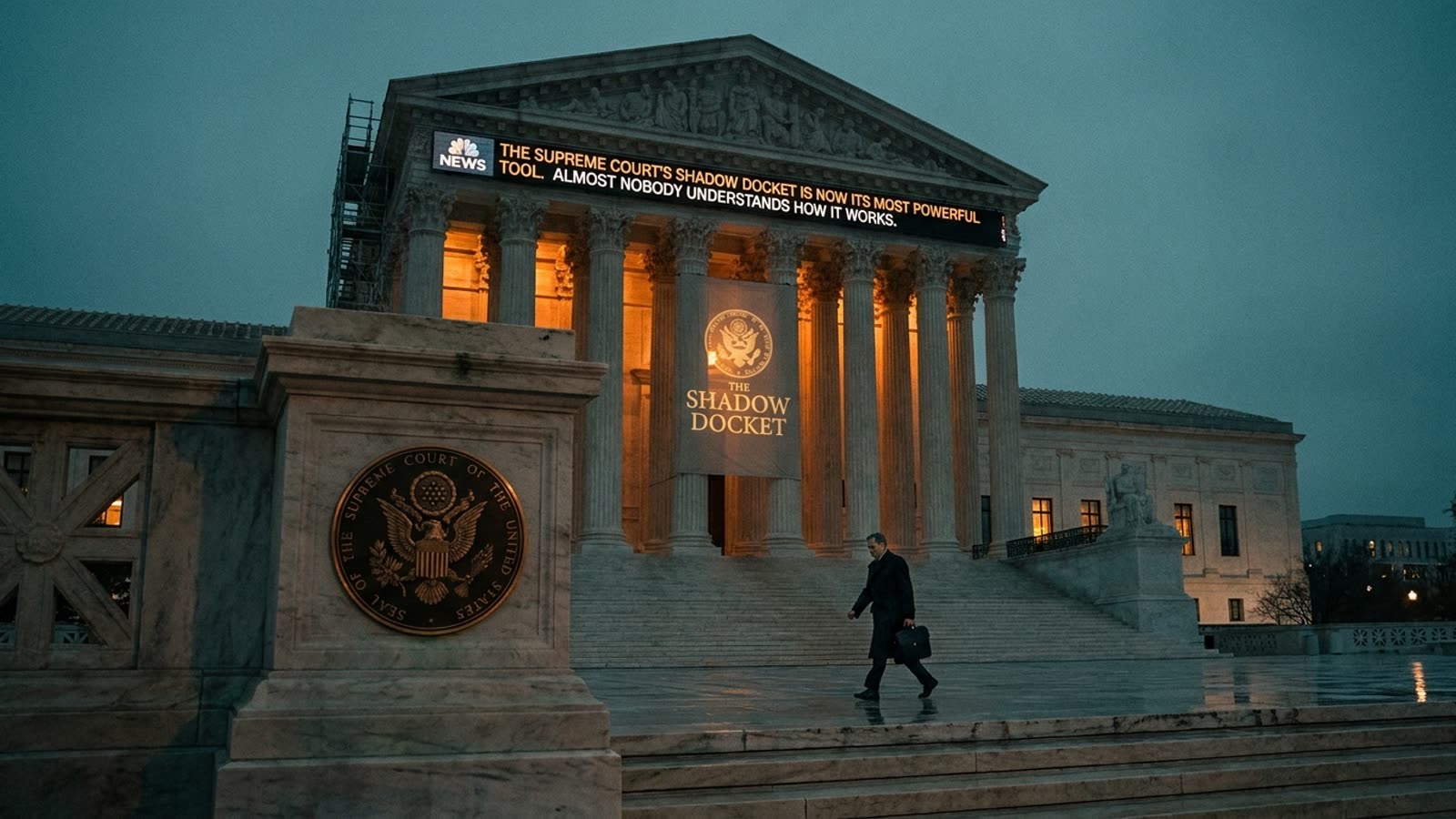
Courts have begun to weigh in, with mixed results. India's Supreme Court struck down the electoral bond scheme in early 2024, ruling that voter ignorance of funding sources violated the constitutional right to information. The decision forced disclosure of donor identities, revealing patterns that confirmed critics' suspicions about quid pro quo arrangements. Yet the ruling left open the possibility of reformed anonymous instruments, and the political appetite for opacity has not diminished.
The deeper constitutional question remains unresolved: does democracy require transparency about who funds it, or does it merely require that funding not be illegal? Different legal traditions answer differently, and the spread of electoral bonds suggests many governments prefer the narrower interpretation.
Our take
Electoral bonds are not a bug in democratic systems—they are a feature designed by incumbents who benefit from information asymmetry. The instrument's genius lies in its respectability: it looks like reform while functioning as regression. Any serious reckoning with money in politics must start by acknowledging that opacity is not an accident but an architecture, carefully constructed and jealously guarded by those it serves.