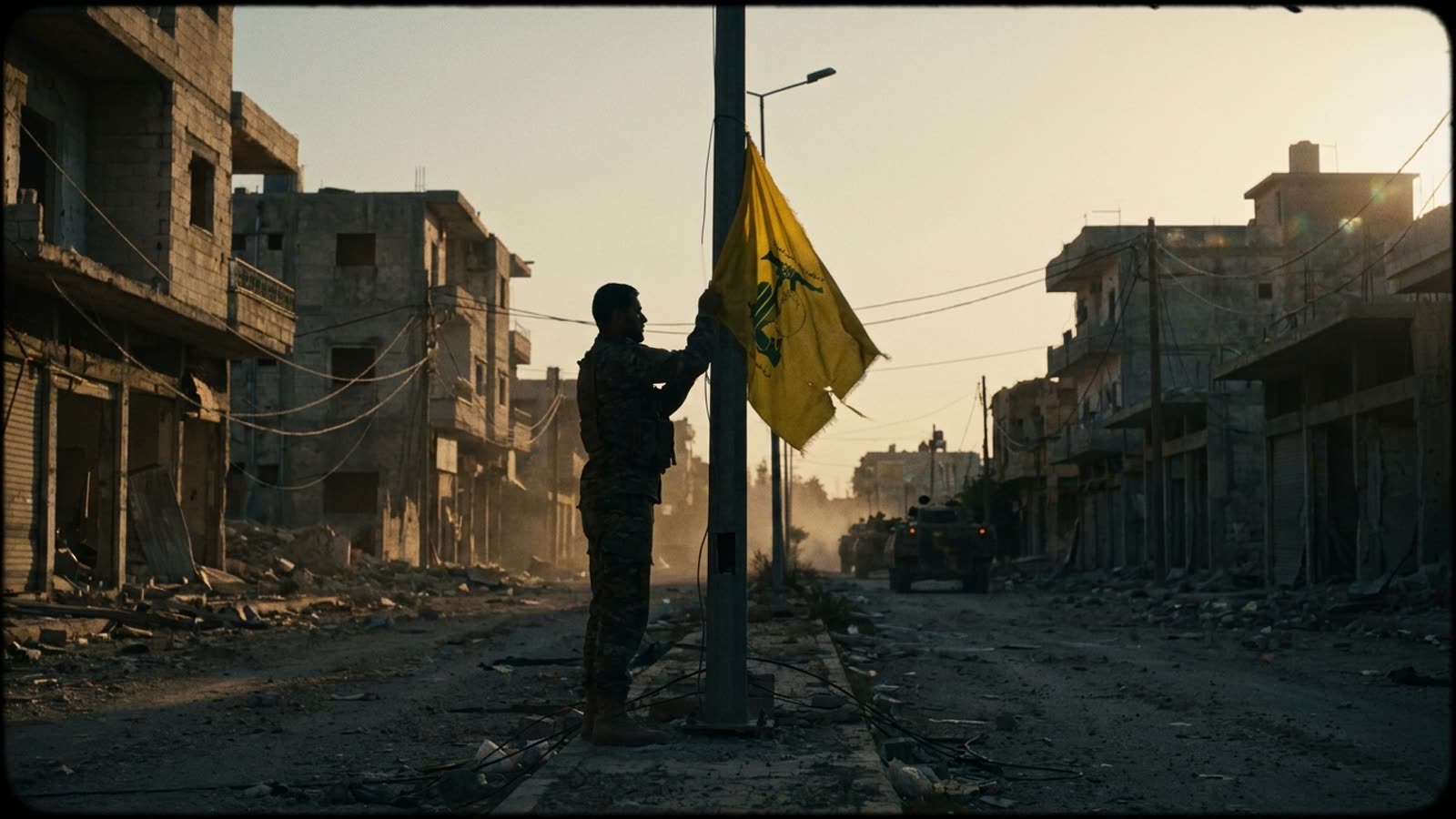
The ceasefire that was supposed to stabilize Israel's northern border is dying before it can walk. Hezbollah's leadership has rejected key provisions of the American-brokered agreement, and fresh strikes between the group and Israeli forces over the past 48 hours suggest both sides are preparing for the arrangement's collapse rather than its implementation.
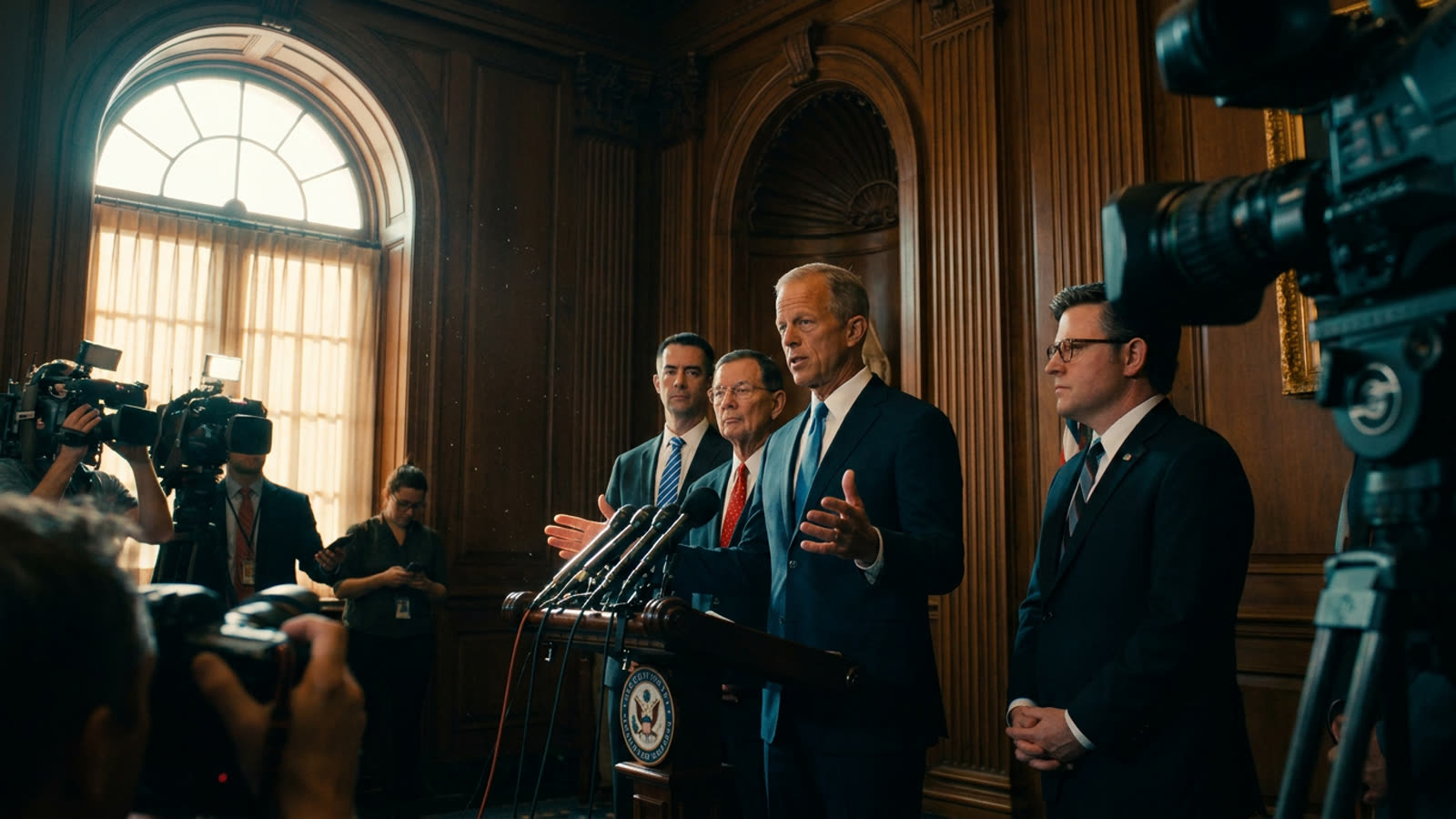
This is more than a setback for regional stability. It is a direct blow to the Biden-era diplomatic architecture that the Trump administration inherited and has been trying, against considerable internal resistance, to repurpose for a broader Iran settlement. Without a durable Lebanon arrangement, the already remote prospect of meaningful US-Iran talks grows dimmer still.
The terms Hezbollah won't accept
The sticking points are predictable but no less intractable for being so. Hezbollah objects to verification mechanisms that would allow international monitors—and by extension, Israeli intelligence—visibility into its military positions in southern Lebanon. The group also refuses any timeline for withdrawing heavy weapons from the border zone, a non-negotiable demand from Jerusalem.
For Hezbollah's leadership, accepting such terms would amount to strategic surrender. The organization's military infrastructure in the south is not merely defensive; it is the primary lever Iran possesses for deterring Israeli action against its nuclear program. No amount of American pressure on Beirut's weak central government can change that calculus.
Israel's northern voters are restless
The domestic politics in Israel are equally unforgiving. Residents of the Galilee and other northern communities have spent years under the shadow of Hezbollah's rocket arsenal. Polling shows plunging confidence in the government's ability to guarantee their security, with many demanding a more aggressive posture rather than diplomatic half-measures.
This creates a familiar trap for any Israeli government: a ceasefire that does not demonstrably weaken Hezbollah's capabilities will be seen as capitulation, while military action risks a full-scale war that neither side claims to want. The Netanyahu government, already weakened by coalition fractures and judicial controversies, has little political capital to spend on an unpopular deal.
What this means for Iran talks
The Lebanon track was never separate from the broader Iran question—it was supposed to be the proof of concept. American negotiators hoped that a successful ceasefire would demonstrate that incremental agreements could build toward something larger, perhaps even a revival of nuclear diplomacy under different terms.
That theory is now in serious trouble. If Washington cannot deliver a stable Lebanon arrangement, Tehran has little reason to believe it can deliver anything else. Iranian hardliners, already skeptical of American reliability after the 2018 nuclear deal withdrawal, will point to this failure as vindication.
Our take
The collapse of the Lebanon ceasefire, if it comes, will not be anyone's first choice. But it may be everyone's default. Hezbollah cannot accept terms that would genuinely constrain it, Israel cannot accept terms that would not, and the United States lacks the leverage to bridge the gap. The administration's Iran policy is now hostage to a regional dynamic it cannot control—a familiar position for American presidents, but no less uncomfortable for being so. The question is whether Washington will acknowledge the impasse or continue pretending diplomacy is working while the region drifts toward the next war.