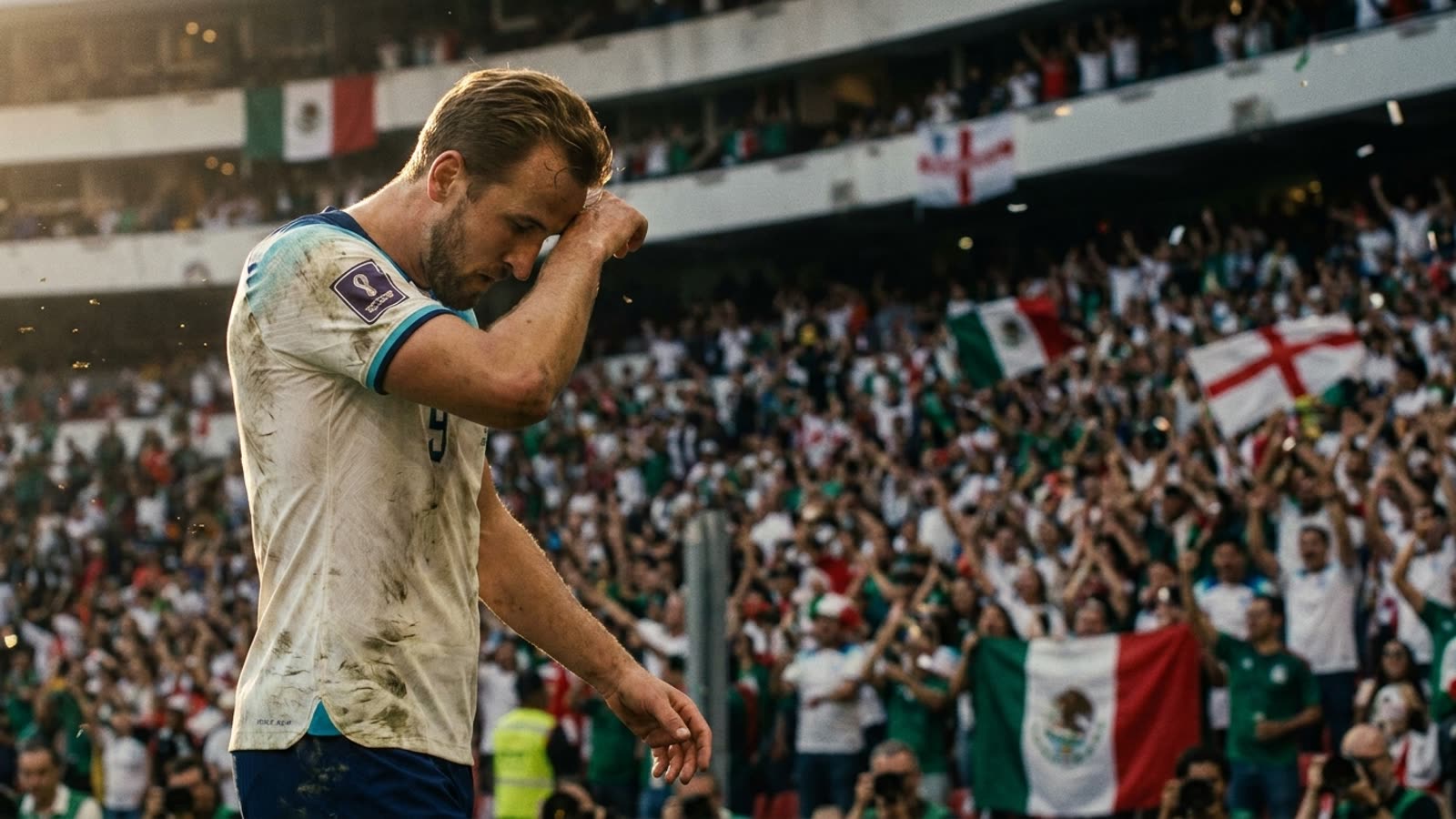
The England team that landed in North America three weeks ago carried the familiar burden of cautious expectation—good enough to contend, historically prone to finding novel ways to disappoint. The team that walked off the pitch in Mexico City on Saturday night looked like something else entirely: a side that had finally learned to play with joy under pressure, converting a hostile Estadio Azteca into the backdrop for what may be remembered as the defining match of this World Cup.
The 3-2 victory over Mexico was not merely a result. It was a statement of intent delivered in the most difficult possible circumstances—altitude, atmosphere, and an opponent playing with the desperate energy of a nation that views World Cup elimination as a form of collective grief.
The Kane factor
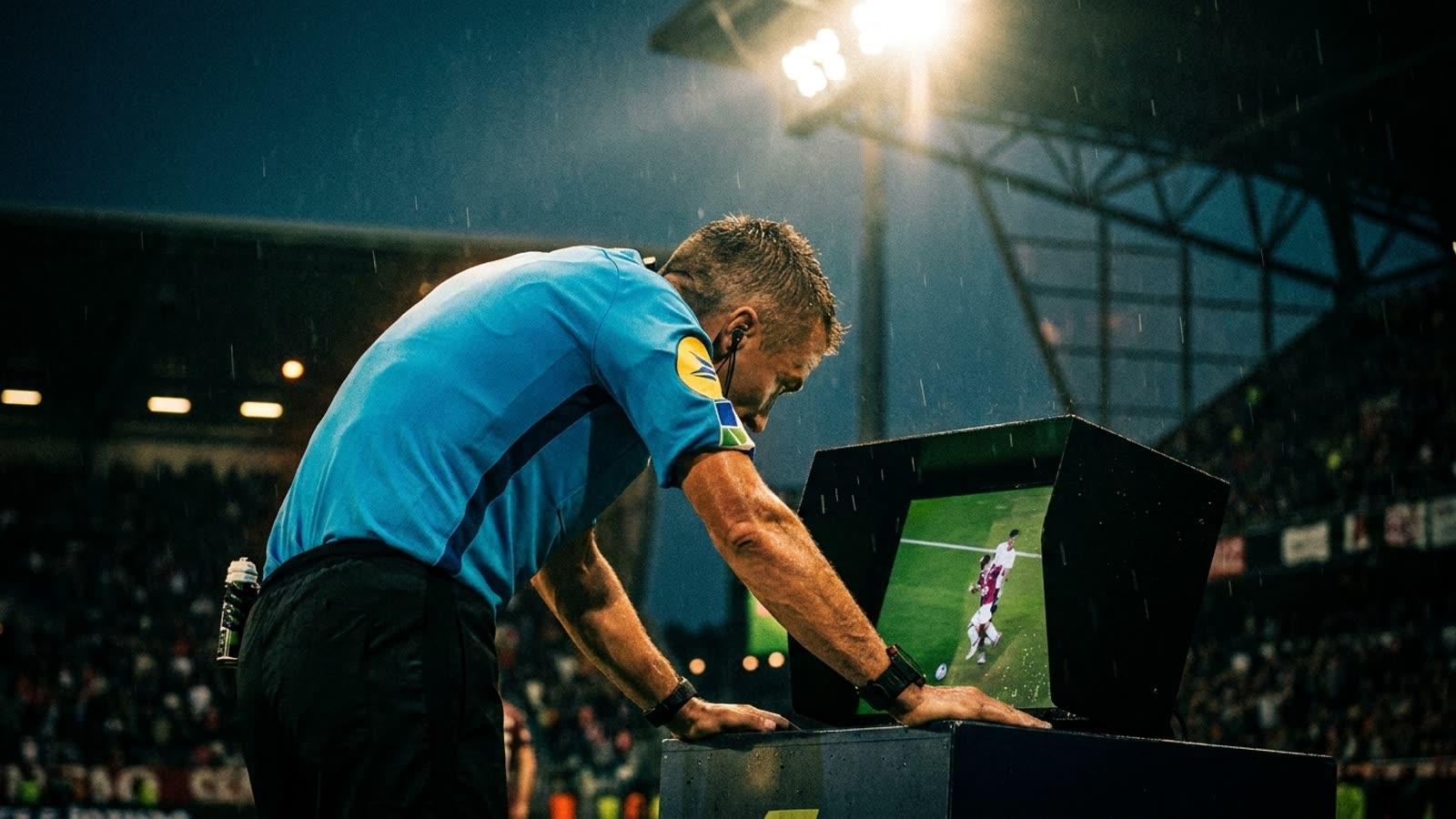
Harry Kane's tournament has been one of quiet accumulation rather than explosive headlines. Against Mexico, he reminded everyone why he remains England's indispensable figure. His penalty conversion—awarded after a contentious VAR review that will fuel debate for weeks—required nerve that most players simply do not possess. The Azteca was a cauldron of whistles and thrown objects. Kane's run-up was unhurried, his finish clinical.
But it was his movement throughout the match that truly separated the sides. Kane dropped deep to link play, stretched Mexico's defensive line with intelligent runs, and created the space that allowed England's wingers to operate. At 32, he is playing with the intelligence of a striker who knows his legs will not last forever and has decided to make every touch count.
A tactical triumph
Gareth Southgate's successor has clearly studied what went wrong in Qatar four years ago. England's setup against Mexico was notably more aggressive, pressing higher and accepting the risks that come with attacking ambition. The reward was a three-goal first half that left Mexican supporters stunned into silence. The cost was a nervy final twenty minutes as Mexico pulled two back and laid siege to the English goal.
The willingness to suffer—to bend without breaking—marked a psychological shift. Previous England teams might have collapsed under that late pressure. This one held firm, organized, and ultimately deserving.
What it means for the bracket
England now face a semifinal against either Belgium or the United States, with the latter's participation thrown into chaos by the Balogun affair. Regardless of opponent, England will enter as favorites for the first time in this tournament. The Azteca performance has changed perceptions; neutrals who dismissed England as pragmatic grinders are now paying attention.
Mexico's exit, meanwhile, continues a painful pattern. The fifth consecutive World Cup elimination at the round of sixteen or quarterfinal stage will prompt familiar recriminations about development pathways and tactical rigidity. For a nation that treats the World Cup as a near-religious event, the defeat stings particularly because England did not steal the match—they earned it.
Our take
England have spent decades oscillating between underachievement and excuse-making. Saturday night offered neither. They went to one of football's most intimidating venues, absorbed everything Mexico could throw at them, and emerged with a victory that will be replayed for generations. Whether they lift the trophy or fall short in the final rounds, this team has already delivered something English football has craved since 1966: a performance that matched the moment. Harry Kane, in what may be his final World Cup, ensured the nation will remember where they were when it happened.