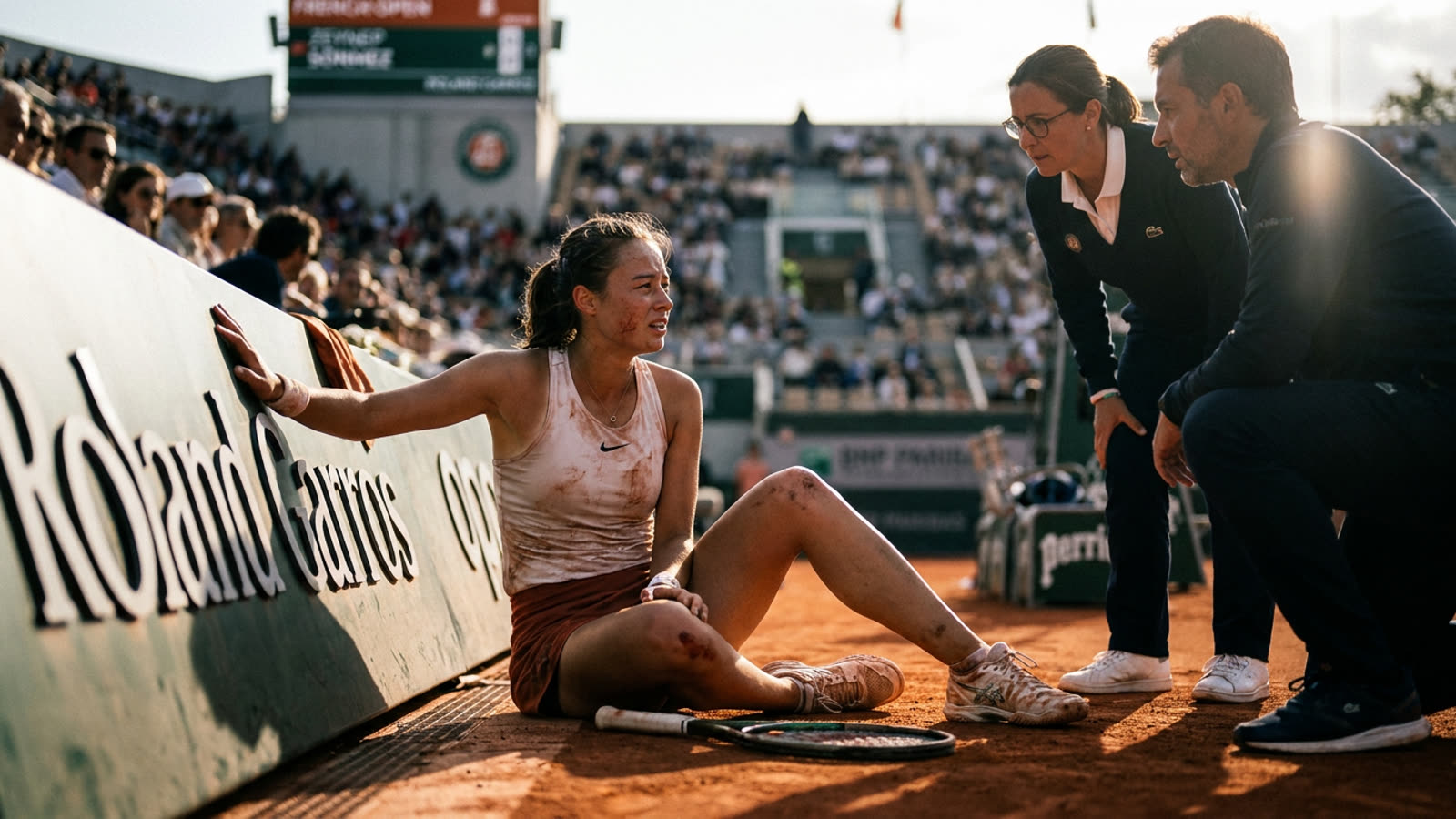
The sight of a player crashing into courtside advertising boards has become distressingly routine at Grand Slam tournaments, but the injury to Zeynep Sönmez at Roland Garros this week has crystallized a question that tennis authorities have dodged for too long: why do the sport's premier venues remain obstacle courses?
Sönmez, the Turkish rising star, was forced to retire from her second-round match after colliding with the rigid LED advertising boards that ring Court Philippe-Chatrier. She joins a lengthening list of players who have suffered injuries chasing down balls in the compressed space between baseline and barrier—a space that has shrunk as tournaments have prioritized sponsor real estate over player safety margins.
The economics of the danger zone
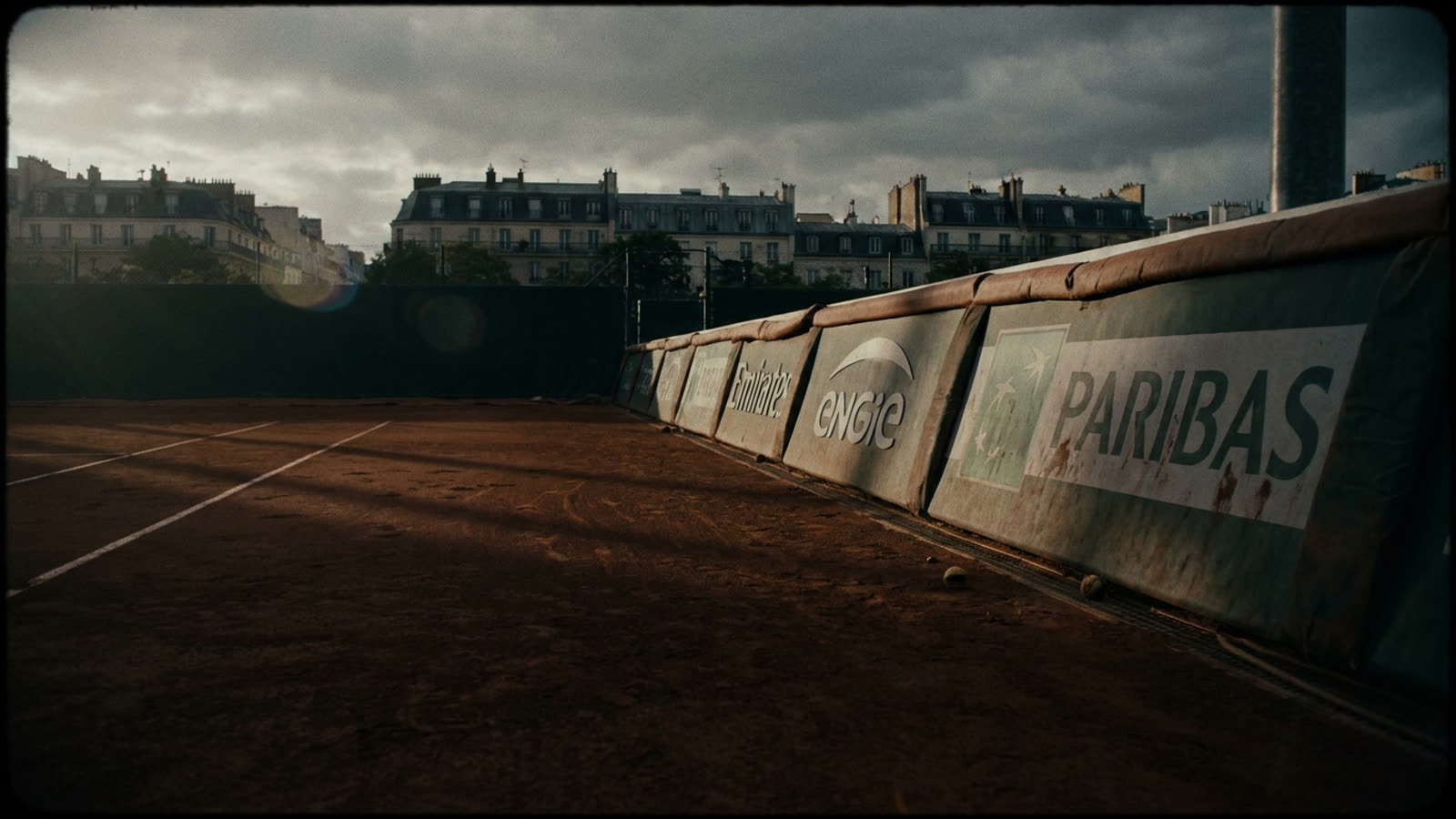
The calculus is grimly simple. Courtside advertising at a Grand Slam commands premium rates precisely because of its proximity to the action. Those LED boards cycling through luxury watch and automobile advertisements are positioned where they are because camera angles capture them alongside every baseline rally. Moving them back would reduce their value; eliminating them would cost tournaments millions in annual revenue.
The ATP and WTA have guidelines recommending minimum distances between playing surfaces and fixed obstacles, but enforcement has been inconsistent, and the guidelines themselves are advisory rather than mandatory. Individual tournaments, particularly the four Grand Slams which operate with considerable autonomy, have resisted standardization that might compromise their commercial arrangements.
A pattern, not an anomaly
Sönmez's injury is not an isolated incident. In recent years, players at all four majors have suffered sprains, contusions, and worse after collisions with courtside infrastructure. The Australian Open's hard courts amplify the danger; Wimbledon's grass creates unpredictable footing near the edges; the US Open's Arthur Ashe Stadium packs spectators and equipment closer to the court than any comparable venue.
Players have complained, publicly and privately, but the sport's fragmented governance structure—with the ATP, WTA, ITF, and individual tournaments all claiming different jurisdictions—has prevented coordinated action. No single entity has both the authority and the incentive to mandate changes that would cost everyone money.
Our take
Tennis sells itself as a sport of elegance and precision, yet it permits playing conditions that would trigger safety reviews in any other professional athletic context. The Sönmez incident should be a turning point, but it probably won't be—not until a star player suffers a career-ending injury on camera, at which point the sport's administrators will express shock that no one saw it coming. The boards should move. The question is whether tennis will wait for tragedy before it acts.