The Video Assistant Referee system has now been deployed at three consecutive World Cups, and its primary achievement appears to be the industrialization of outrage. France's Round of 16 victory over Paraguay on July 4th will be remembered not for the quality of football on display but for the 73rd-minute penalty that decided it — a decision that VAR reviewed, confirmed, and left half the footballing world convinced was wrong.
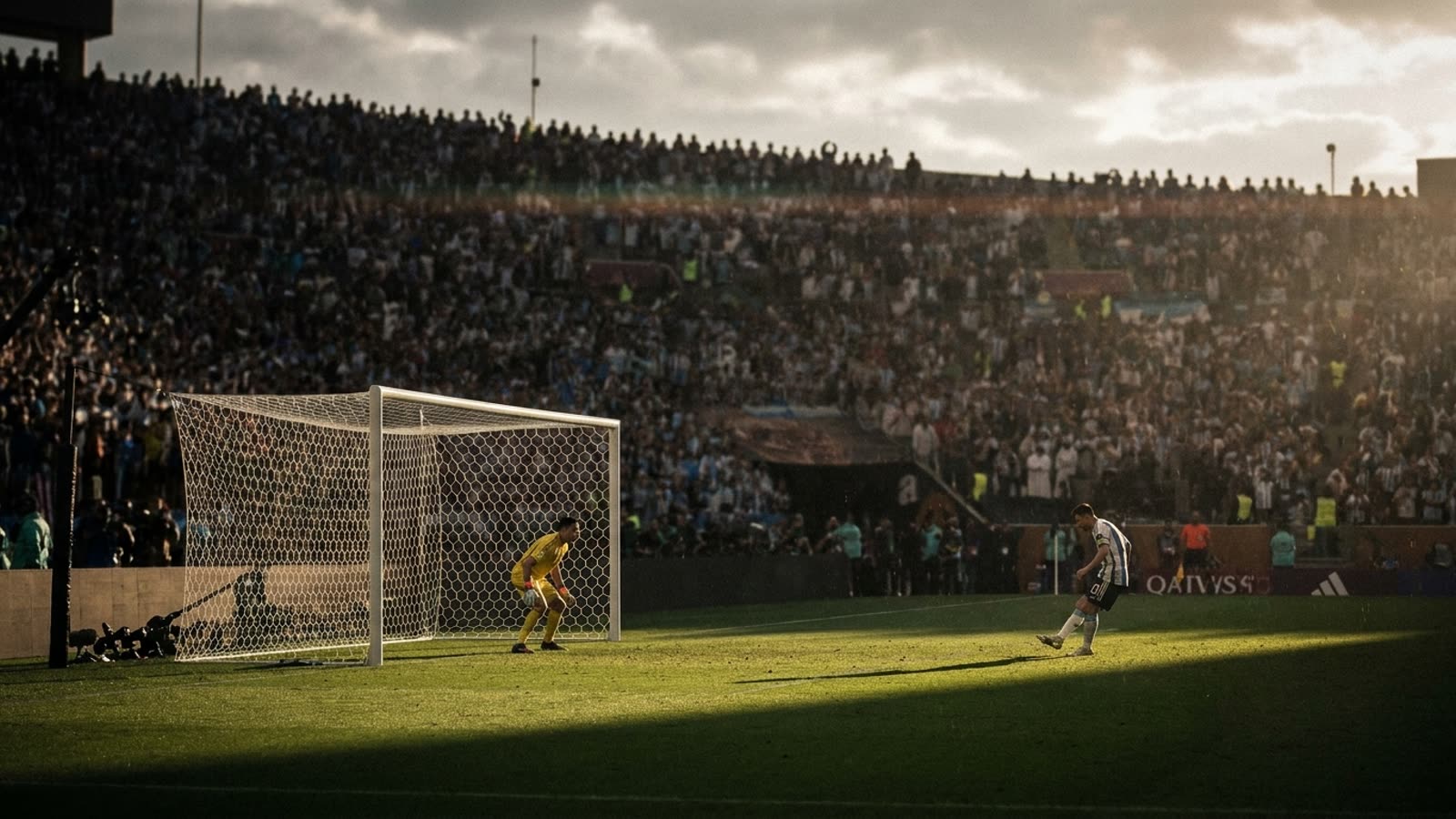
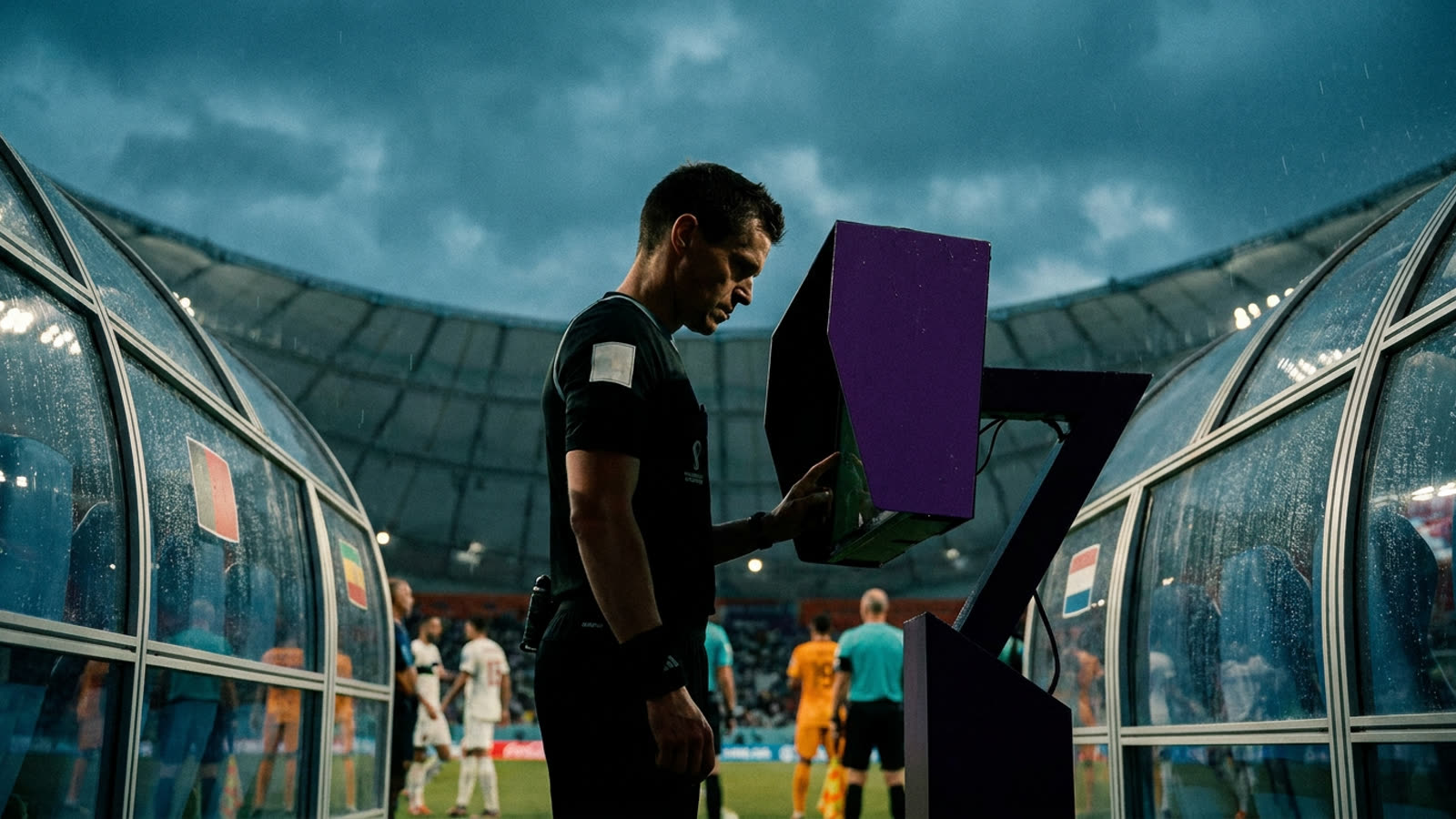
The incident itself was pedestrian enough: a French attacker went down in the box under minimal contact from a Paraguayan defender. The referee pointed to the spot. Paraguay protested. The VAR booth in New York reviewed multiple angles for nearly three minutes. The penalty stood. France converted. Paraguay went home.
The promise versus the reality
When FIFA introduced VAR at the 2018 World Cup in Russia, the pitch was elegant: clear and obvious errors would be corrected, and football would finally have the officiating accuracy that tennis and cricket had enjoyed for years. Eight years later, the system has achieved something more complicated. It has not eliminated controversial decisions; it has merely added a layer of technological legitimacy to them.
The problem is definitional. "Clear and obvious error" sounds precise until you realize that reasonable people can watch the same slow-motion footage and reach opposite conclusions. The Paraguay penalty was not a clear dive, but it was not a clear foul either. It existed in the gray zone that VAR was supposed to eliminate but has instead highlighted in excruciating high-definition detail.
Why the arguments got worse
Before VAR, a bad call was a bad call. You blamed the referee's angle, the speed of play, human fallibility. The controversy burned hot and faded fast. Now, when a decision survives VAR review, it carries an implicit stamp of correctness that makes disagreement feel not just passionate but epistemological. If the technology saw it and still got it wrong, what hope is there?
Paraguay's coach was diplomatic in his post-match comments, which is to say he was furious in the specific way that FIFA's conduct rules permit. The French camp was notably quiet, offering the kind of non-answers that suggest they know they got away with one. Social media, naturally, produced frame-by-frame breakdowns that proved whatever the viewer already believed.
Our take
VAR has not failed because the technology is flawed. It has failed because football's rules contain genuine ambiguity, and no camera angle can resolve a philosophical question. The sport wanted certainty and got instead a more elaborate apparatus for manufacturing doubt. France will play in the quarterfinals. Paraguay will wonder what might have been. And the rest of us will continue arguing about a penalty that a room full of officials watched seventeen times and still could not agree on.