The clean energy sector has spent decades promising that geothermal power—pulling heat from the earth to generate electricity—would eventually go mainstream. Fervo Energy just made that promise look credible by raising $1.9 billion in an initial public offering, one of the largest clean energy debuts in years.
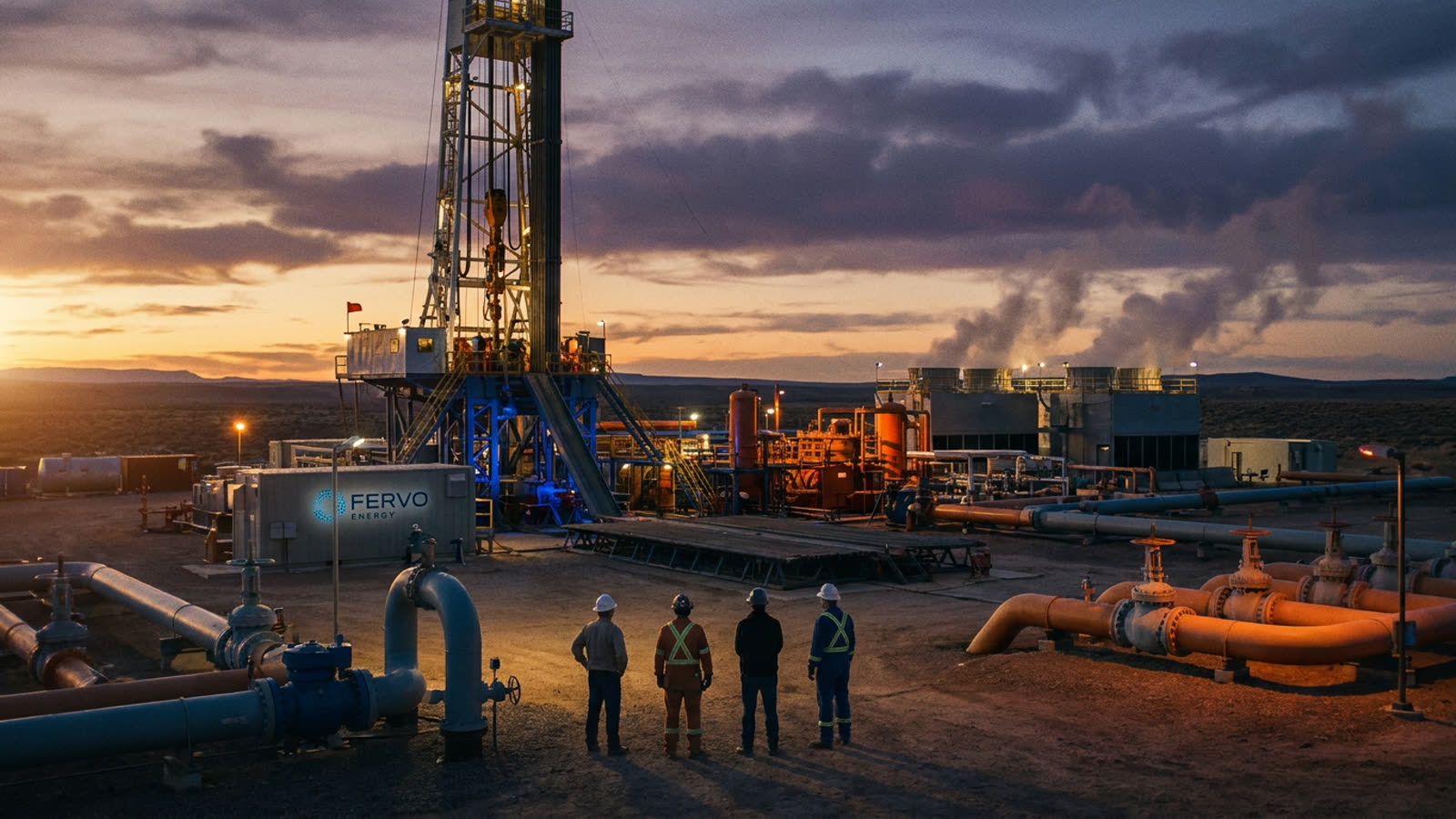
What makes Fervo different from the geothermal startups that came before it is almost embarrassingly simple: the company stopped trying to reinvent drilling and started copying the oil and gas industry instead. By adapting horizontal drilling and hydraulic fracturing techniques perfected in the shale boom, Fervo can access hot rock formations that were previously too expensive or technically difficult to tap. The result is geothermal energy that can be deployed in far more locations than traditional hydrothermal sites, which require naturally occurring underground reservoirs.
The oil industry's unlikely gift to clean energy
The irony is thick. The same fracking revolution that made the United States the world's largest oil and gas producer is now being repurposed to generate carbon-free electricity. Fervo's engineers, many of them recruited from petroleum companies, use directional drilling to bore horizontally through hot granite, inject water to create fractures, and extract steam to spin turbines. The technique, called enhanced geothermal systems, turns the earth itself into a battery that never runs out.
Investors appear convinced. The IPO priced at the high end of expectations, valuing Fervo at roughly $8 billion—a remarkable figure for a company that only began commercial operations in 2023. The capital will fund an aggressive expansion, with Fervo planning to bring several hundred megawatts of new capacity online by 2028, primarily serving data centers and tech companies desperate for round-the-clock clean power.
Why data centers are betting on hot rocks
The timing is no accident. Artificial intelligence is driving an unprecedented surge in electricity demand, and the hyperscalers—Google, Microsoft, Amazon—have made net-zero commitments that they cannot meet with solar and wind alone. Those sources are intermittent; geothermal runs constantly. Fervo has already signed power purchase agreements with Google and others, positioning itself as the baseload backbone for a grid increasingly dominated by variable renewables.
The economics are improving too. Fervo claims its latest projects can deliver electricity at costs competitive with natural gas plants, a threshold that eluded earlier geothermal ventures. If those numbers hold at scale, the company could become a serious player in wholesale power markets, not just a niche supplier to green-minded corporates.
Our take
Fervo's IPO is less a vindication of geothermal specifically than a reminder that clean energy breakthroughs often come from borrowing, not inventing. The shale industry spent billions perfecting drilling technology; Fervo is harvesting that investment for a different purpose. It is a pragmatic, almost mercenary approach to decarbonization—and probably the fastest route to results. The climate does not care whether the solution is elegant.