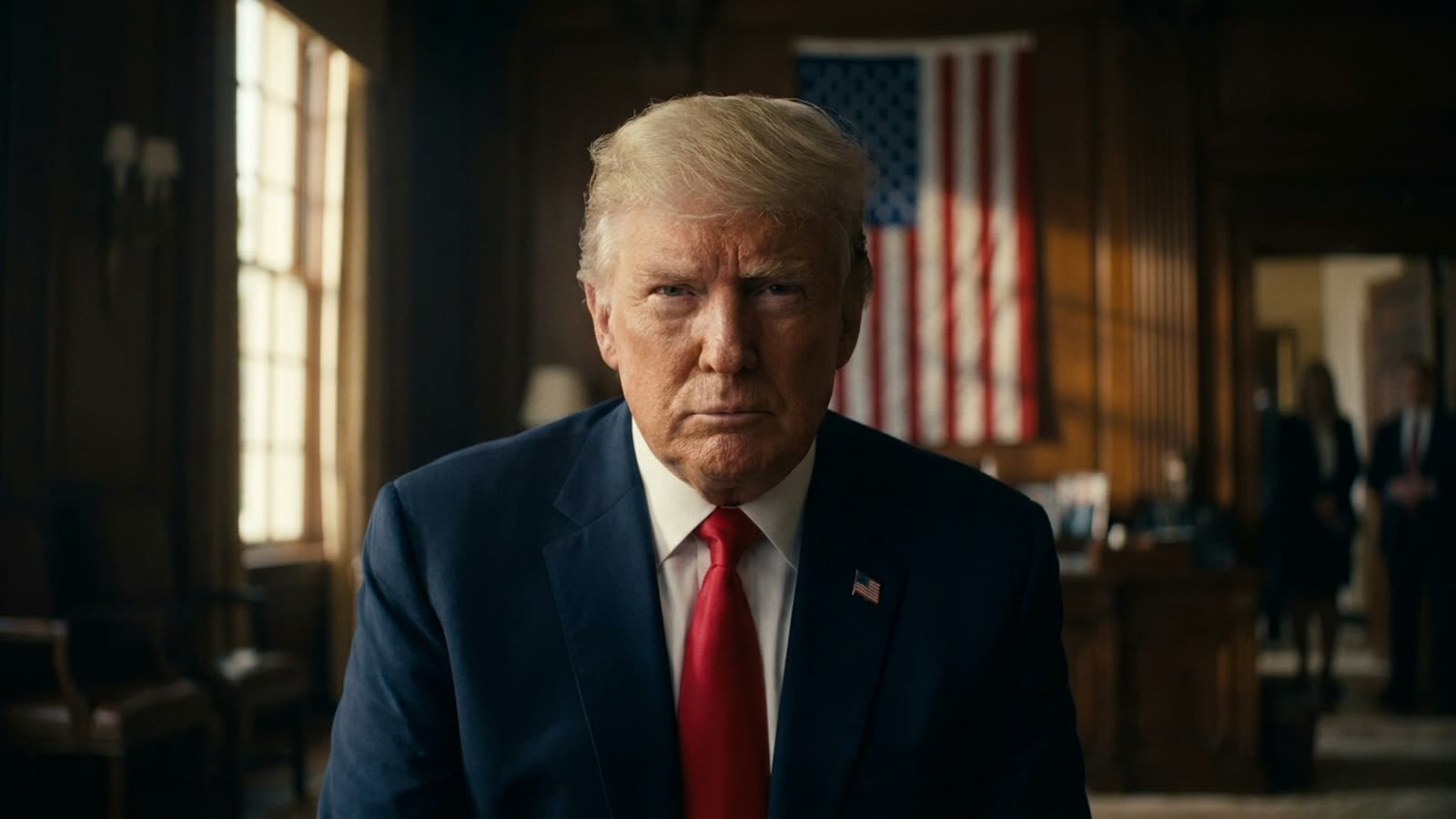
The €8 billion figure now circulating through European boardrooms understates the problem. That sum represents the direct cost of tariffs already imposed on European automobile exports to the United States—a painful but manageable line item for an industry that generates hundreds of billions in annual revenue. What keeps executives awake is the threat President Trump has attached to it: comply with last year's trade agreement or watch levies climb to 25 percent.
For Volkswagen, BMW, Mercedes-Benz, and Stellantis, this is not merely a trade dispute. It is a stress test of a business model built over decades on the assumption that premium European vehicles would always find willing American buyers at premium prices.
The arithmetic of 25 percent
At current tariff levels, European manufacturers have absorbed costs through a combination of margin compression, selective price increases, and accelerated localization of production in the United States. A jump to 25 percent would break that calculus. Industry analysts estimate it would add roughly $8,000 to $12,000 to the sticker price of a German luxury sedan—enough to push significant volumes of buyers toward American or Asian alternatives.
The timing is particularly cruel. European carmakers are simultaneously hemorrhaging market share in China, where domestic electric vehicle manufacturers have achieved price and technology parity. The American market was supposed to be the reliable profit center that funded the transition to electrification. Instead, it has become another front in a two-front war.
Brussels' limited leverage
The European Commission finds itself in an uncomfortable position. The trade deal Trump references—negotiated under duress during his second term—required the EU to reduce regulatory barriers and increase purchases of American agricultural products and liquefied natural gas. Implementation has been slower than Washington demanded, partly due to genuine bureaucratic complexity and partly due to political resistance in member states.
Retaliatory tariffs remain an option, but European officials privately acknowledge they would hurt the continent more than America. The EU exports far more to the United States than it imports, and any escalation risks drawing in sectors beyond automobiles—aerospace, pharmaceuticals, luxury goods—where European companies are equally exposed.
The German dimension
For Germany specifically, the stakes extend beyond commerce. The automobile industry accounts for roughly 5 percent of GDP and employs over 800,000 workers directly. Chancellor Friedrich Merz's recent falling-out with Trump—reportedly over defense spending commitments—has removed whatever diplomatic cushion Berlin might have enjoyed. Defense Minister Boris Pistorius's planned trip to Washington to discuss Tomahawk missile purchases looks increasingly like an attempt to rebuild bridges through military procurement.
This is the new transatlantic relationship in miniature: security and trade entangled, with European governments scrambling to find purchase points that might soften American demands.
Our take
The European automotive industry spent the past decade underestimating Tesla and Chinese EV manufacturers. It now risks making the same mistake with American trade policy—treating tariffs as a negotiating tactic rather than a structural shift. Trump's willingness to use economic coercion against allies is not a bug; it is the operating system. European carmakers need contingency plans that assume 25 percent tariffs become permanent, not leverage in a deal that may never close. The €8 billion already lost is tuition. The question is whether anyone is learning.