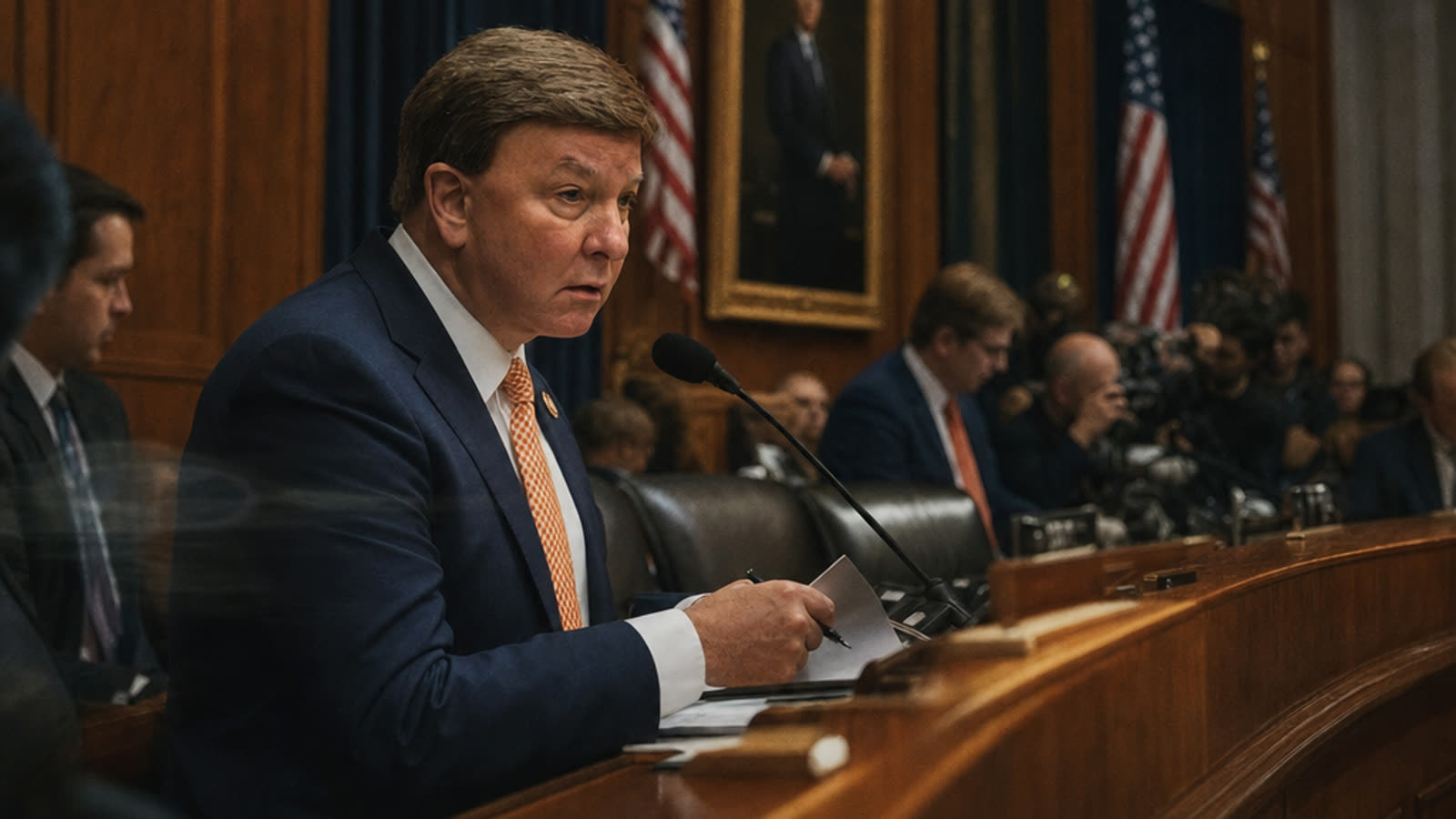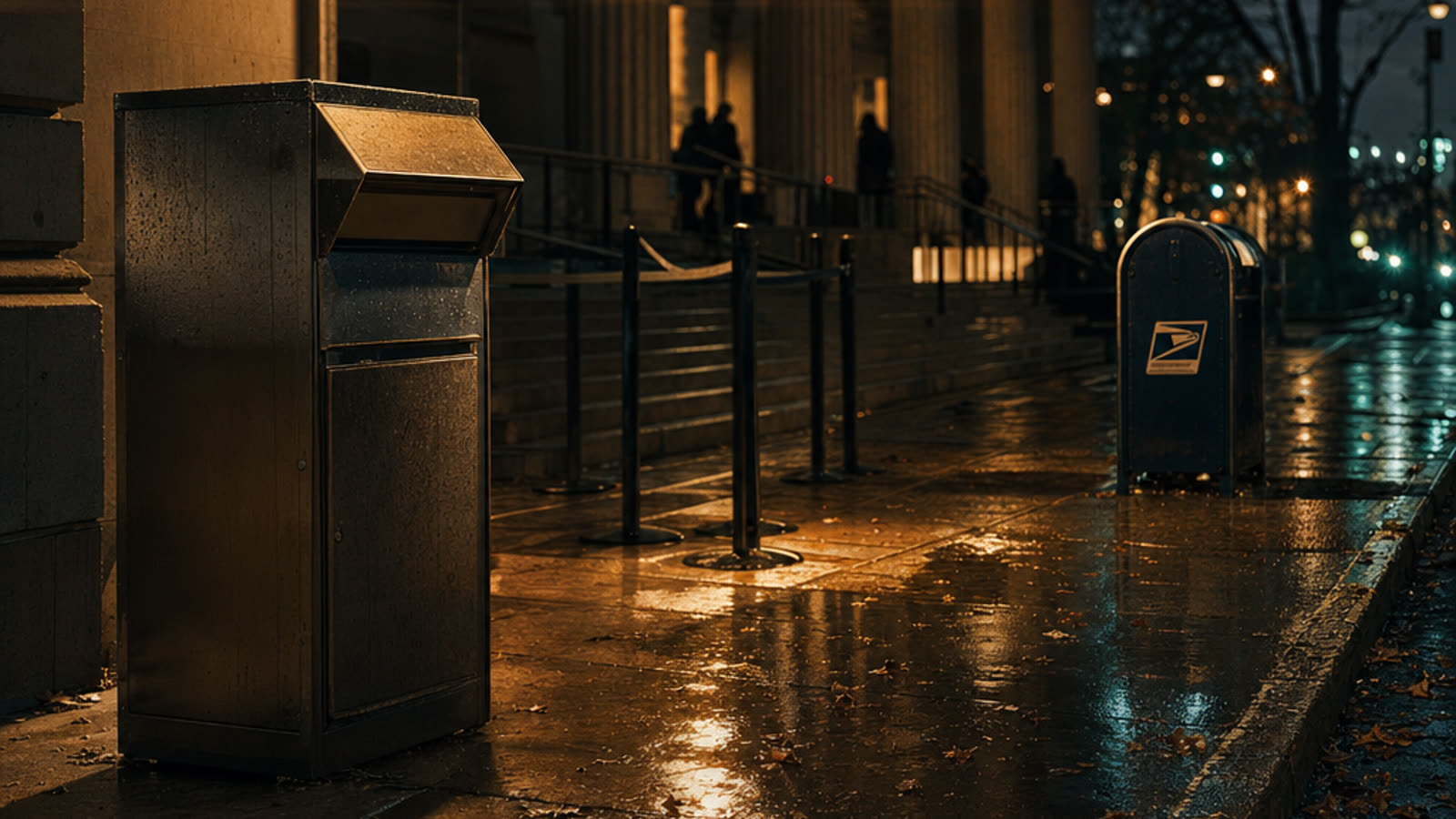
The message from county clerks and secretaries of state across the country has become remarkably uniform this autumn: please, for the love of your franchise, do not trust the mail.
It is an extraordinary admission from officials whose job is to project confidence in the electoral process. Yet here they are, in swing states and safe ones alike, urging voters to hand-deliver their ballots to secure drop boxes rather than entrust them to the United States Postal Service. The subtext is unmistakable: the mail system that once knit the republic together can no longer be relied upon to deliver a ballot in time.
The arithmetic of delay
Postal Service delivery standards have slipped steadily since the pandemic-era overhaul that prioritized cost-cutting over speed. First-class mail that once arrived in two days now officially targets three to five, and audits suggest even that benchmark is missed roughly one time in six. For a ballot mailed the week before Election Day, those odds are unacceptable. Several states require ballots to arrive by the close of polls, not merely be postmarked; a single day's delay can disenfranchise a voter who did everything right.
Election administrators have responded with a public-information campaign that stops just short of open criticism. "Use the drop box rather than the mailbox" has become the refrain in Pennsylvania, Wisconsin, Arizona, and Georgia — states where margins are measured in thousands and every returned ballot matters. Some jurisdictions have extended drop-box hours; others have added locations. The goal is to route around the postal bottleneck without saying so explicitly.
Legal and political crossfire
Drop boxes themselves remain contested terrain. Lawsuits challenging their legality have proliferated since 2020, with plaintiffs arguing that unstaffed receptacles invite fraud — a claim unsupported by evidence but potent in fundraising emails. Courts have mostly upheld their use, yet the litigation creates uncertainty that discourages some voters and emboldens state legislatures to impose new restrictions.
The irony is sharp: the same political actors who warn of mail-ballot fraud are now watching election officials steer voters away from mail precisely because the mail is unreliable. Neither side is fully comfortable with the resulting hybrid system, in which early in-person voting, drop boxes, and Election Day polls coexist in an improvised patchwork.
Our take
When election officials must advise citizens to work around a federal agency, something has broken that no amount of "I Voted" stickers can fix. The Postal Service's decline is not a natural disaster; it is a policy choice compounded by years of deferred maintenance and ideological sabotage. Drop boxes are a sensible stopgap, but they cannot substitute for a functioning mail system in a nation where many voters — the elderly, the disabled, the rural — have no practical alternative. Until Congress treats ballot delivery as critical infrastructure rather than a culture-war football, local clerks will keep improvising, and voters will keep wondering whether their envelopes arrived in time.