The 2026 World Cup has already weathered one political storm—the Trump phone-call fiasco that overshadowed the USMNT's exit. Now comes another, and this one arrives not from the stands or the corridors of power but from the technical area itself.
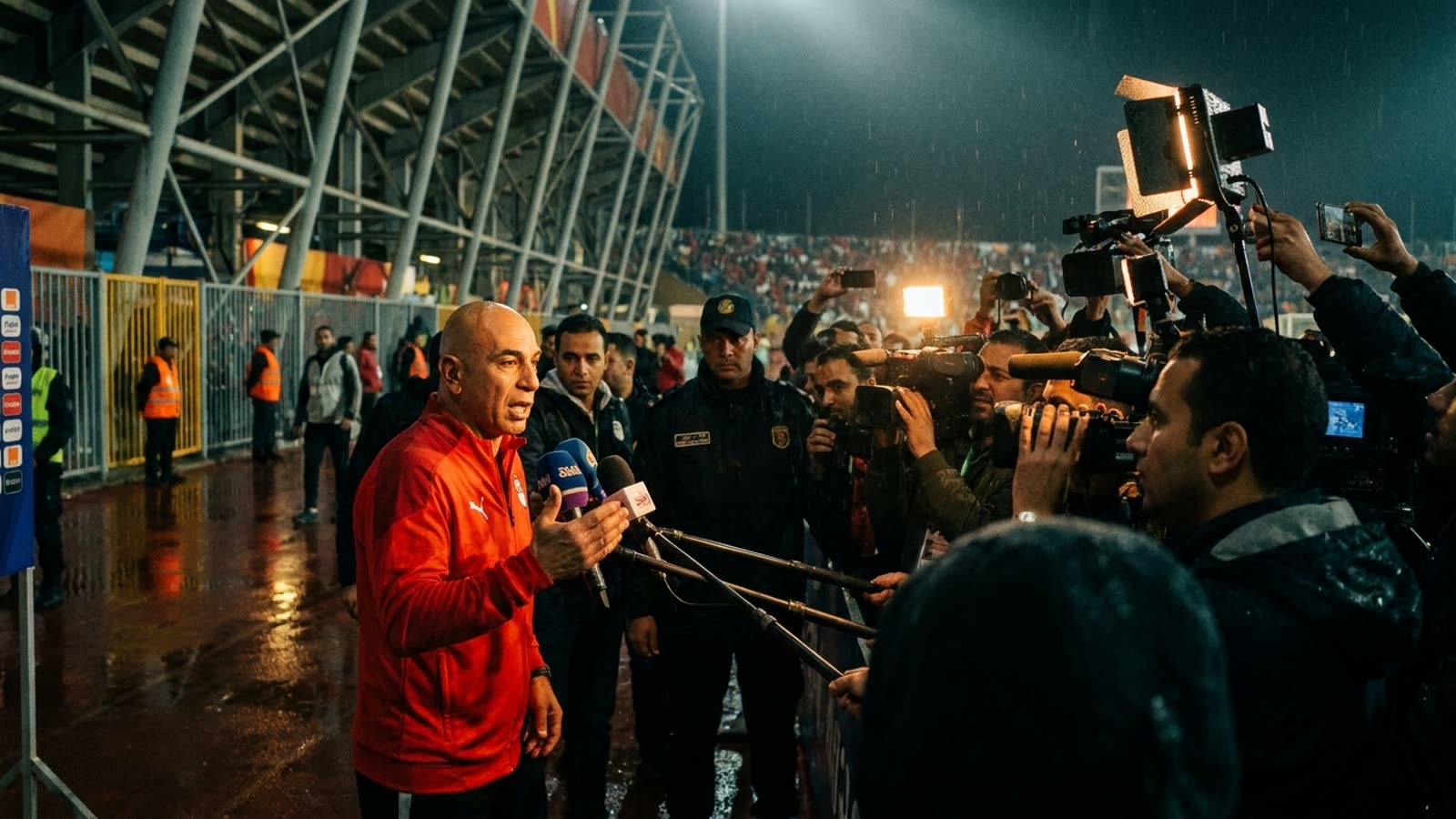
Egypt manager Hossam Hassan, moments after his side's historic quarterfinal victory, used his post-match press conference to issue an impassioned appeal for Palestine. The specifics of his statement matter less than its context: a global television audience of hundreds of millions, a tournament FIFA has marketed relentlessly as a celebration of unity, and a conflict that has divided the sport's stakeholders for years.
The limits of neutrality
FIFA's official position has long been that football exists above politics. The organization bans political slogans on kits, prohibits demonstrations in stadiums, and fines federations whose fans display unauthorized banners. Yet the governing body has also suspended Russia over Ukraine, debated Israel's membership status, and permitted—indeed, celebrated—gestures like taking the knee when they aligned with prevailing sentiment.
Hassan's statement exposes the contradiction. If a coach can be sanctioned for a political appeal, FIFA must explain why some causes merit punishment and others do not. If he escapes sanction, the apolitical principle is effectively dead. Either outcome creates precedent that will haunt future tournaments.
Why Egypt, why now
Egypt's run to the quarterfinals is the deepest by an African nation since Ghana in 2010. Hassan, a former national-team striker and a figure of genuine stature in Egyptian football, commands an audience that extends well beyond the pitch. His words carry weight in a region where the Palestinian cause resonates deeply, and where FIFA has spent years cultivating commercial relationships.
The timing is particularly awkward. FIFA president Gianni Infantino has invested heavily in Middle Eastern partnerships—the 2022 Qatar World Cup, the expanded Club World Cup, the rumored Saudi bid for 2034. Alienating Arab federations over a disciplinary action would carry real costs. So would appearing to let a high-profile breach slide.
The tournament's political hangover
This is the second major political intrusion into a World Cup that was supposed to showcase North American hosting capabilities. The Trump controversy—a presidential phone call that allegedly influenced refereeing decisions—already forced FIFA into uncomfortable denials. Now the organization must navigate a minefield that touches on Middle Eastern geopolitics, free-speech norms, and the expectations of its own member federations.
World Cups have always been political, of course. The 1978 tournament in Argentina, the 2018 edition in Russia, the 2022 Qatar debate—each forced FIFA to reconcile its universalist rhetoric with uncomfortable realities. But the frequency of these collisions is accelerating, and the organization's toolkit for managing them looks increasingly inadequate.
Our take
FIFA's apolitical stance was always a polite fiction, useful for avoiding hard choices. Hossam Hassan just made the hard choice unavoidable. The governing body will likely issue a mild rebuke, cite its commitment to dialogue, and hope the news cycle moves on. It probably will—until the next coach, the next cause, and the next press conference. The 2026 World Cup is becoming a referendum on whether global sport can remain above the fray, and the early returns suggest it cannot.