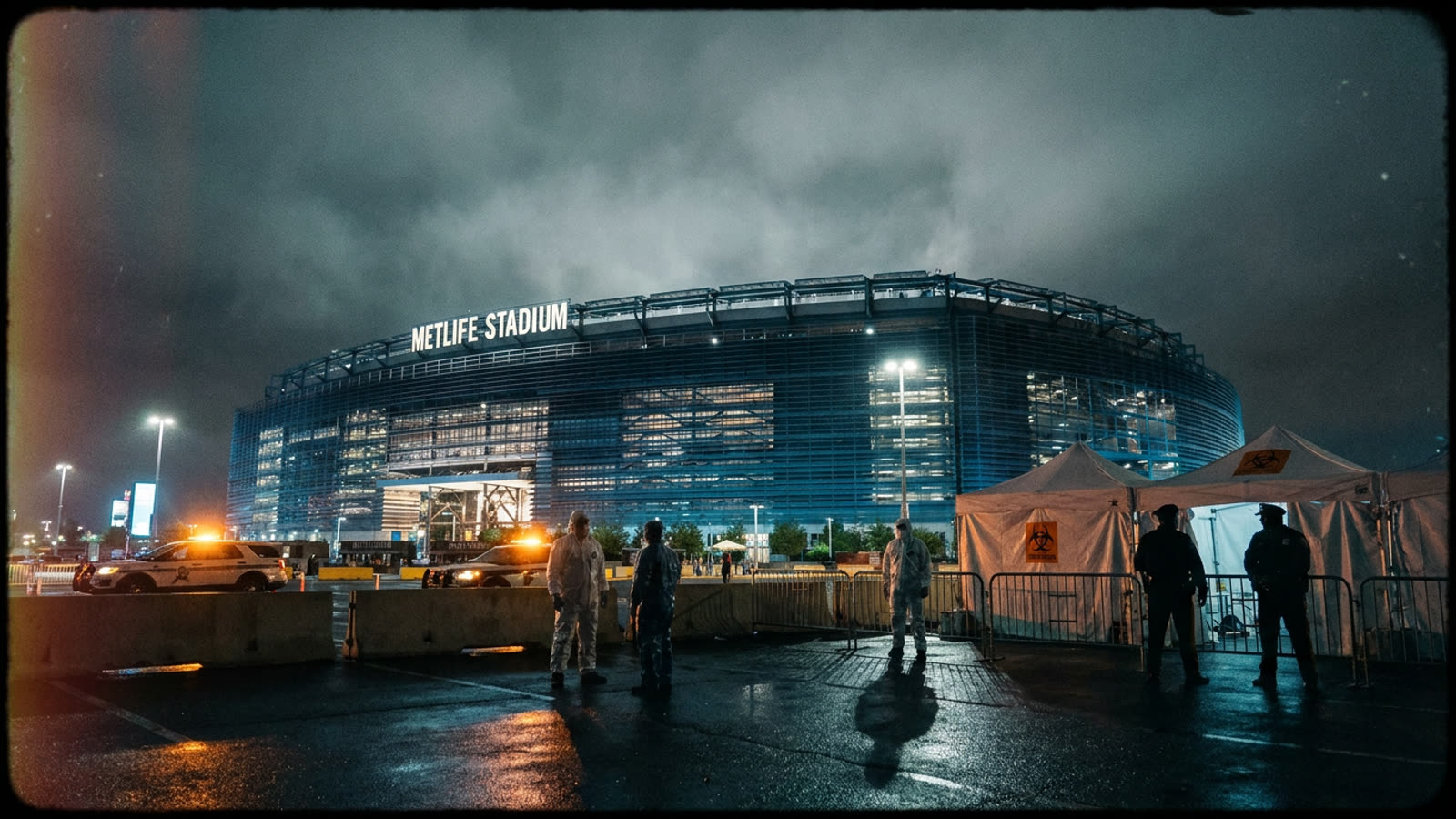
The 2026 FIFA World Cup was supposed to be a celebration of football's return to North America, a showcase of gleaming stadiums and global unity. Instead, the tournament's final countdown is being shadowed by a public-health standoff that pits Washington against its European allies and raises uncomfortable questions about who gets to attend the world's biggest sporting event.
U.S. officials have urged European governments to impose travel bans on nations affected by the ongoing Ebola outbreak in Central Africa, citing concerns that the virus could hitch a ride on fan travel through European transit hubs before reaching World Cup host cities in the United States, Canada, and Mexico. The request, first reported by Reuters, has been met with caution in Brussels and outright skepticism in some European capitals, where memories of pandemic-era travel chaos remain fresh.
The American calculus
Washington's logic is straightforward, if blunt: Europe's open-border Schengen zone and its extensive air links to Africa make it the most likely conduit for any infected traveler heading to North America. By pressuring European governments to impose restrictions now, U.S. officials hope to create a de facto buffer zone without having to issue their own blanket bans—a move that would invite accusations of discrimination and almost certainly trigger legal challenges.
The timing is deliberate. With the World Cup's opening match less than a week away, any European restrictions would need to be implemented almost immediately to have an effect. That urgency, however, is precisely what makes the request so fraught. European officials have privately complained that Washington is asking them to absorb the political and economic costs of a policy designed primarily to protect American soil.
FIFA's uncomfortable silence
Football's governing body has so far declined to comment on the diplomatic maneuvering, a silence that speaks volumes. FIFA has spent years cultivating relationships with African football federations and has staked considerable prestige on the continent's growing role in the global game. Any perception that the World Cup is being used as a pretext for exclusionary travel policies could damage those ties for years.
Yet FIFA also has a commercial interest in ensuring the tournament proceeds without a public-health scare. Empty seats, sponsor jitters, and round-the-clock cable-news coverage of quarantine tents would be a nightmare for an organization still rebuilding its reputation after decades of scandal. The result is a holding pattern: FIFA waits for governments to act, governments wait for FIFA to provide cover, and the clock ticks toward kickoff.
Our take
The Ebola scare may or may not amount to anything—outbreaks have been contained before, and the current case count remains modest. But the episode reveals something important about the World Cup's place in geopolitics. The tournament is no longer just a sporting event; it is a stress test for international cooperation, a canvas on which nations project their anxieties about borders, disease, and belonging. Washington's request to Europe is less about epidemiology than about leverage—and about who bears the cost when the beautiful game collides with ugly realities.