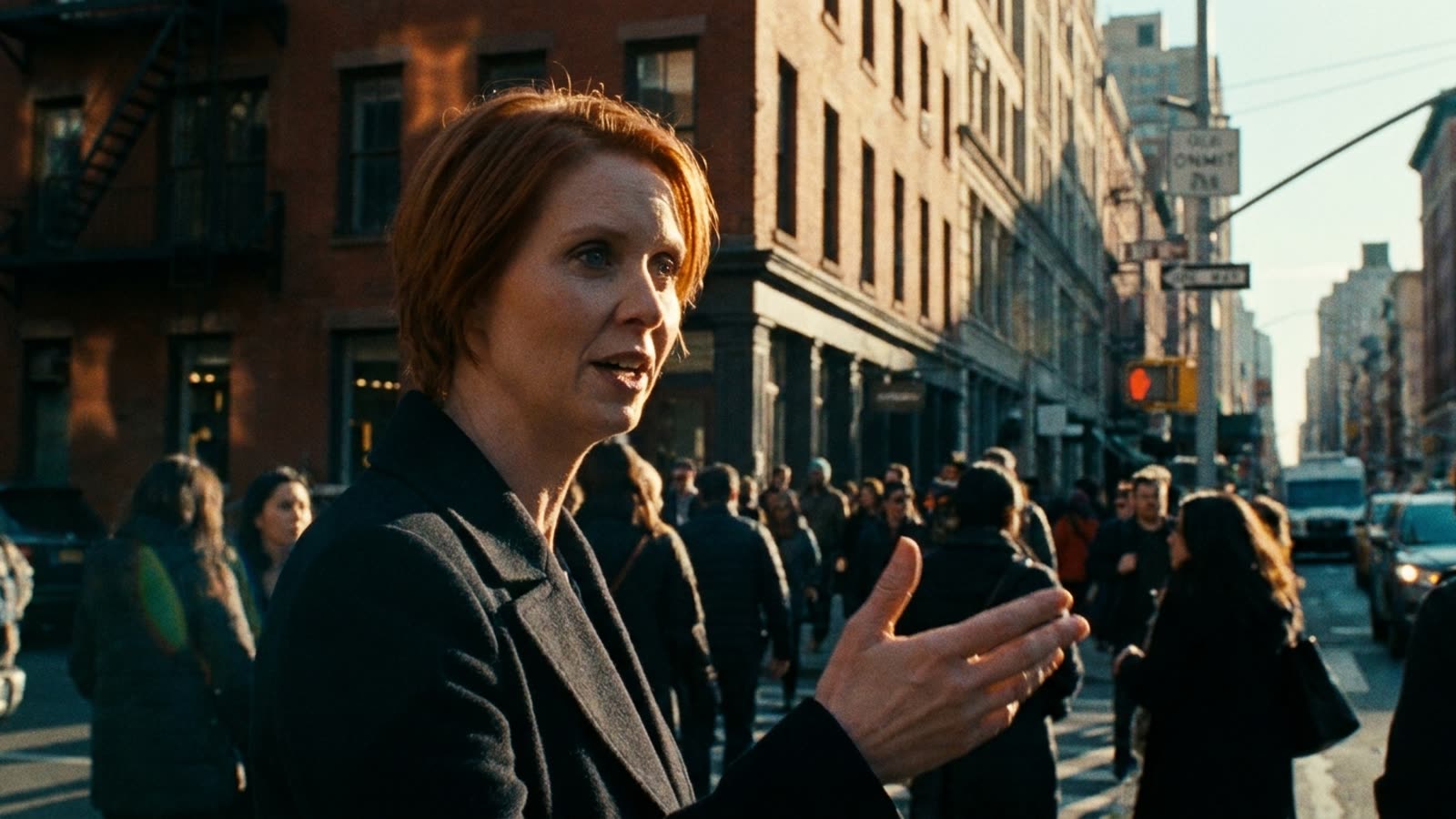
Television characters are not supposed to embarrass us. They are supposed to validate our choices, mirror our aesthetics, and occasionally provide aspirational wardrobes. Miranda Hobbes's arc in the Sex and the City sequel series violated this unwritten contract so thoroughly that fans treated it as a personal betrayal. Cynthia Nixon, speaking to The New York Times, has now offered something vanishingly rare in the age of parasocial accountability: a full-throated defense of creative choices that made audiences uncomfortable.
The actress said she "loved" watching Miranda attempt to become "woke" — her word — even as viewers were "horrified" by the character's fumbling, often excruciating journey through contemporary progressive politics. Miranda quit her corporate law career, left her husband Steve for the non-binary comedian Che Diaz, and delivered a series of racially awkward comments that made longtime fans cringe into their throw pillows.
The case for discomfort
Nixon's argument is deceptively simple: people in their fifties who suddenly try to catch up with cultural shifts they missed do, in fact, look ridiculous. Miranda's ham-fisted attempts at allyship, her over-corrections, her desperate desire to be seen as evolved — these are not bugs in the writing but features. The character is not meant to be a role model for graceful aging; she is meant to be a cautionary tale about the particular humiliation of arriving late to one's own moral education.
This reading requires accepting that television can show us characters we love behaving in ways we find mortifying. It is a higher bar than most prestige reboots are willing to clear. The dominant trend in legacy sequels is reassurance: beloved characters return wiser, warmer, their rough edges sanded down by time. And Just Like That chose chaos.
The fan service trap
The backlash to Miranda's arc was immediate and sustained. Social media filled with viewers who felt the character had been "ruined," as though a fictional person's dignity were a finite resource that showrunners had squandered. The Che Diaz relationship became a particular lightning rod, with critics arguing it felt forced, implausible, or simply unpleasant to watch.
What these complaints share is an assumption that comfort is the primary obligation of serialized storytelling. Nixon's refusal to apologize challenges this premise. She is not saying the execution was flawless; she is saying the discomfort was the point. In an industry increasingly terrified of alienating established fanbases, this is a quietly radical position.
Our take
Nixon's defense will not convert the skeptics, and it is not meant to. But her willingness to articulate an artistic rationale — rather than retreating into the usual platitudes about "listening to fans" — is refreshing. The best long-running characters are not static monuments to our memories of them. They are allowed to fail, to embarrass themselves, to make choices we would not make. Miranda's arc may have been clumsy, but it was alive. That is more than most nostalgia projects can claim.