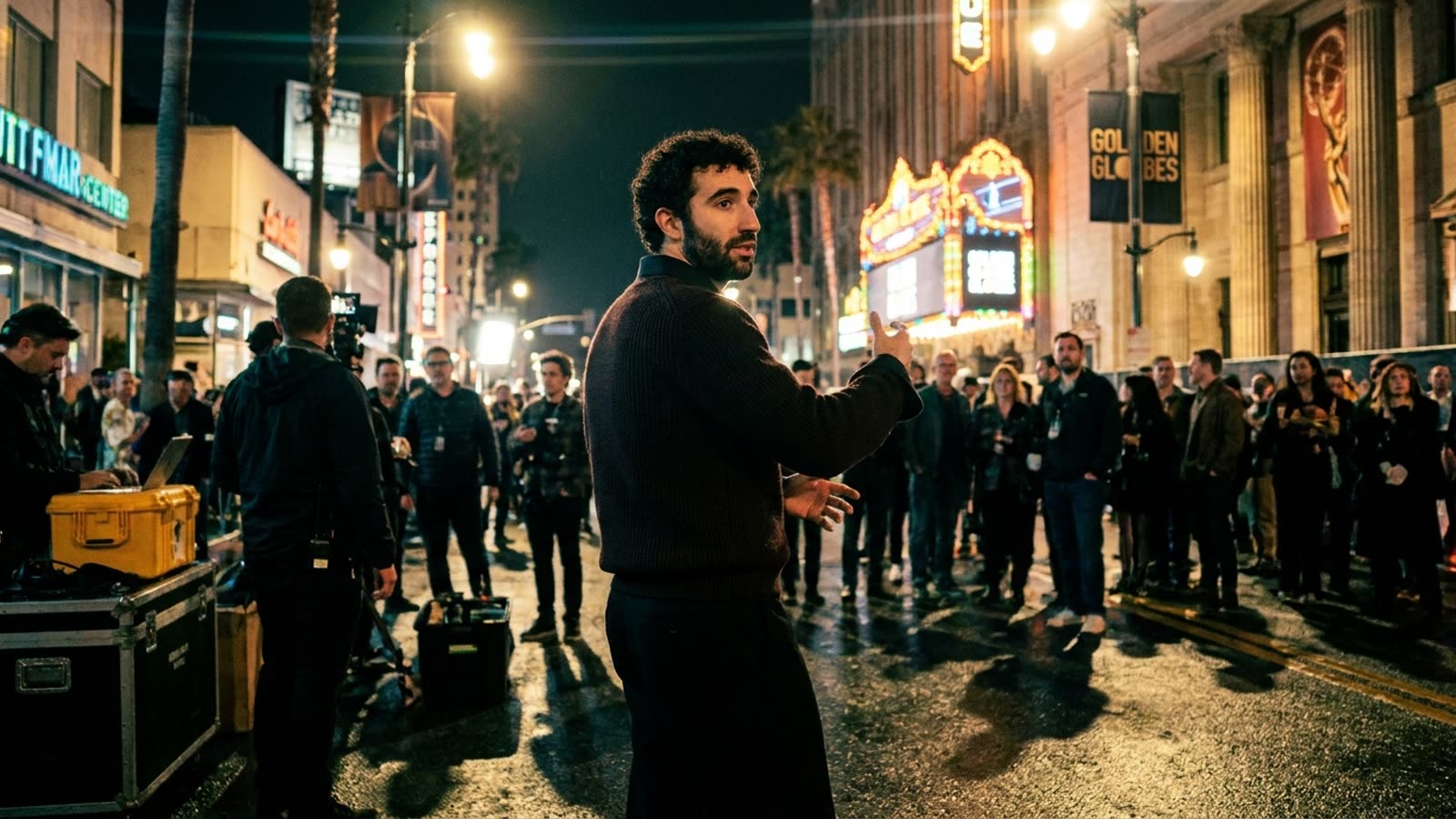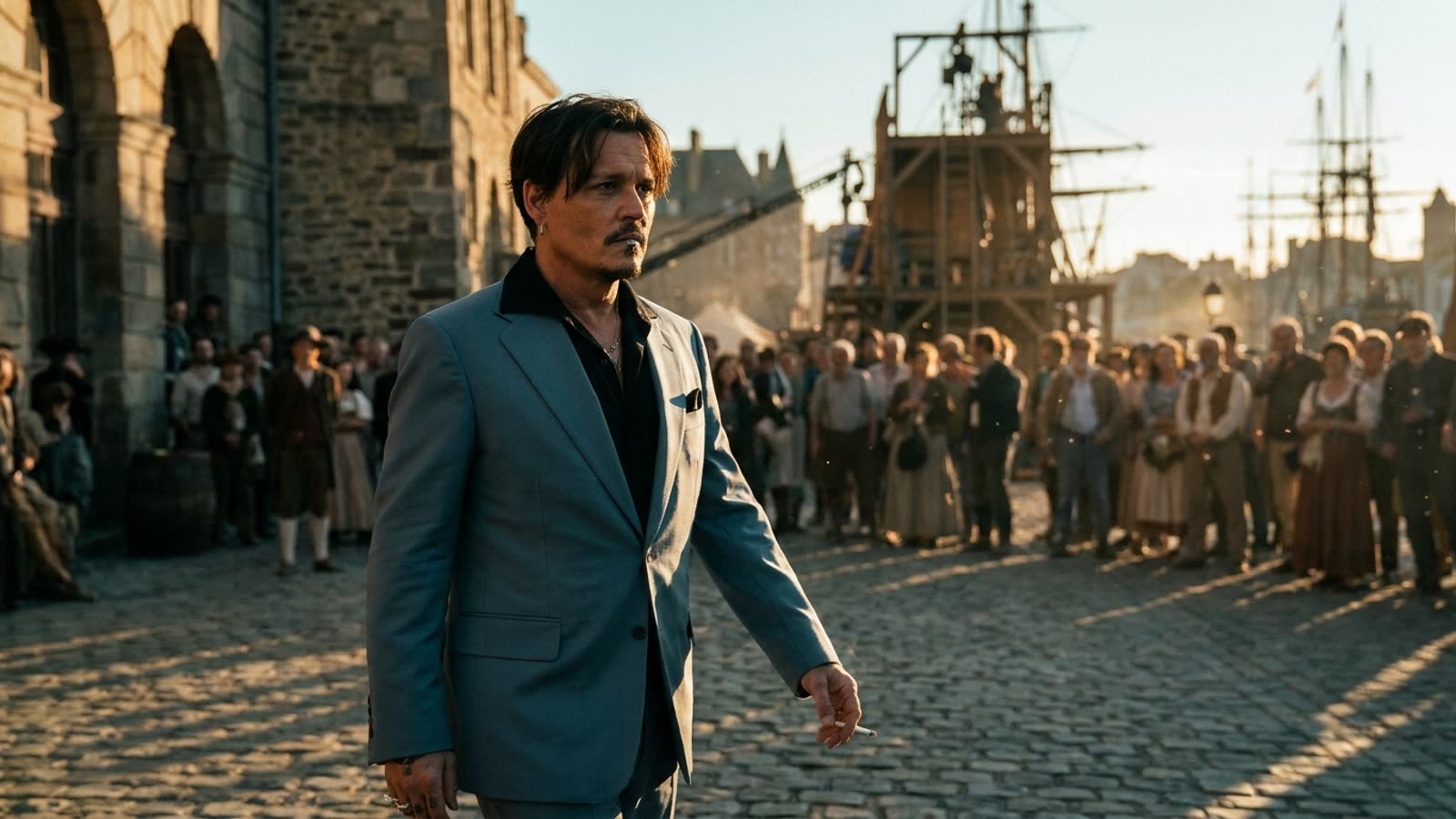
The most bankable pirate in cinema history is willing to come back aboard, but only if Disney lets him steer the ship into port properly. Johnny Depp, speaking to Entertainment Tonight while promoting his directorial effort "Ebenezer," has broken his silence on the franchise that made him a genuine movie star rather than merely a cult favorite: he would consider returning as Captain Jack Sparrow for "Pirates of the Caribbean 6," but only to give the character a fitting farewell.
"I want to send them off on a better note," Depp said, a statement that manages to be both gracious and pointed. The "them" presumably refers to the characters and fans, but the subtext is unmistakable—the way things ended was messy, and everyone knows it.
The Exile That Wasn't Quite
Depp's departure from the franchise came amid his highly publicized legal battles with ex-wife Amber Heard, culminating in his 2022 defamation trial victory. Disney, which had quietly distanced itself from the actor during the controversy, found itself in the peculiar position of having won the culture-war argument but lost its leading man. The studio's attempts to develop a Sparrow-less sequel—including a rumored Margot Robbie-led spinoff that never materialized—have sputtered for years.
Meanwhile, Depp rebuilt his career in Europe, directing "Ebenezer" and taking on smaller, stranger roles that recalled his pre-Pirates indie sensibility. The actor who once commanded upwards of twenty million dollars per picture seemed content to work outside the studio system entirely.
Why Disney Needs This More Than Depp Does
The "Pirates" franchise has grossed more than four and a half billion dollars globally across five films, with Depp's eccentric, Keith Richards-inspired performance widely credited as the engine of its success. "Dead Men Tell No Tales" in 2017 was the weakest performer of the series, and that was with Depp still aboard. Without him, Disney has struggled to articulate what a sixth film would even look like.
Depp's conditional offer—closure, not continuation—is actually the elegant solution Disney has been too proud to propose. A farewell film allows the studio to monetize nostalgia one final time while passing the compass to a new generation of characters. It lets Depp exit on his own terms rather than being written out in some clumsy exposition. And it gives audiences the narrative satisfaction that "Dead Men Tell No Tales" conspicuously failed to deliver.
Our take
Depp is being remarkably diplomatic here, considering Disney essentially abandoned him when the headlines turned ugly and then discovered it couldn't replace him. His willingness to return for the right reasons—artistic closure rather than a paycheck—suggests he understands something the studio bean-counters may not: franchises don't die from bad sequels, they die from unsatisfying endings. Disney should take the call. Jack Sparrow deserves a proper sunset, and so does the actor who made him immortal.