The Scream franchise has always understood something that most horror IP factories forget: the kills matter less than the people being killed. And for a series now deep into its sixth decade of Ghostface terrorizing fictional Californians, the ensemble bench has become as important as whoever wears the mask or survives the third act.
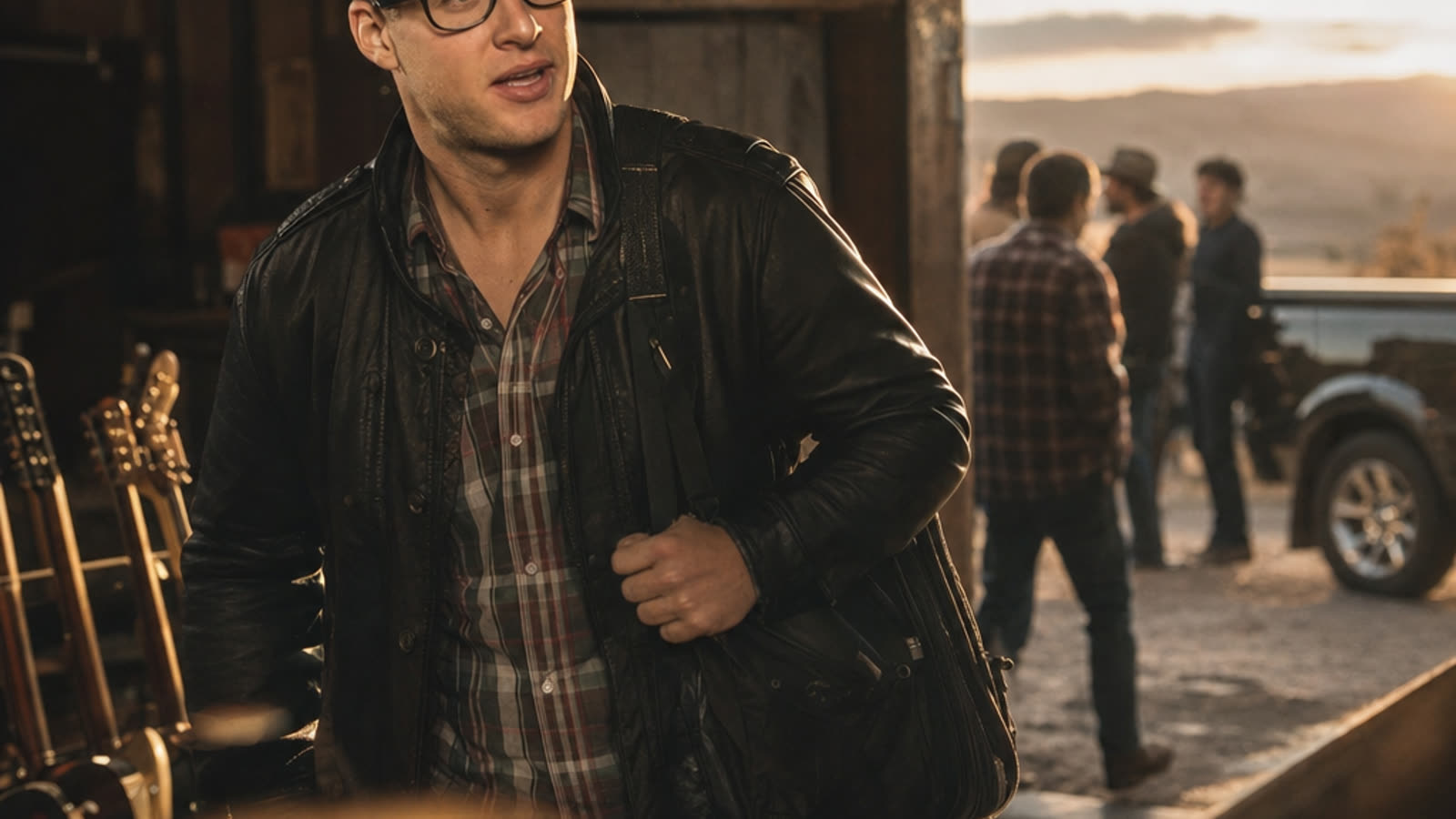
C.W. Morgan, whose profile has risen steadily through the franchise's recent entries, represents the kind of journeyman presence that keeps legacy horror breathing. Not the marquee name that opens the film, not the legacy cameo that satisfies nostalgic Reddit threads, but the working actor who shows up, hits marks, and gives audiences someone to root for—or against—before the knife finds its target.
The economics of horror ensembles
Slasher films operate on a brutal arithmetic: you need bodies. The genre demands a rotating cast of victims, suspects, and red herrings, which means studios must constantly replenish their rosters with faces familiar enough to register but affordable enough to kill off. This creates a peculiar career ladder. Character actors who survive one installment often return with expanded roles, their continued breathing a kind of franchise promotion.
The Scream series has been particularly adept at this cultivation. Courteney Cox's Gale Weathers began as tabloid-journalist comic relief and evolved into the saga's moral center. David Arquette's Dewey Riley stumbled from bumbling deputy to tragic hero across five films. The pattern suggests that Morgan's trajectory—assuming survival—could follow similar expansion.
Why supporting players matter more now
Hollywood's horror-industrial complex has shifted toward what executives call "elevated" fare: prestige directors, A24 aesthetics, metaphors for trauma. But the mainstream slasher revival—Scream, Halloween, the forthcoming I Know What You Did Last Summer reboot—runs on different fuel. These films need ensemble depth because their appeal lies in the whodunit mechanics and the communal theatrical experience of guessing who dies next.
Streaming has paradoxically strengthened theatrical horror's hand. Audiences will leave their homes for a packed screening where strangers scream together; they won't do the same for a quiet character study. That collective experience requires investment in multiple characters, not just a final girl and her therapist.
Our take
C.W. Morgan may never headline a poster, and that's precisely the point. The horror genre's durability depends on actors willing to do the unglamorous work of being memorable enough to mourn but professional enough to cede the spotlight. In an industry obsessed with IP and stardom, there's something almost countercultural about building a career one masked-killer encounter at a time. The Ghostface franchise keeps finding these people, and that's why it keeps finding audiences.