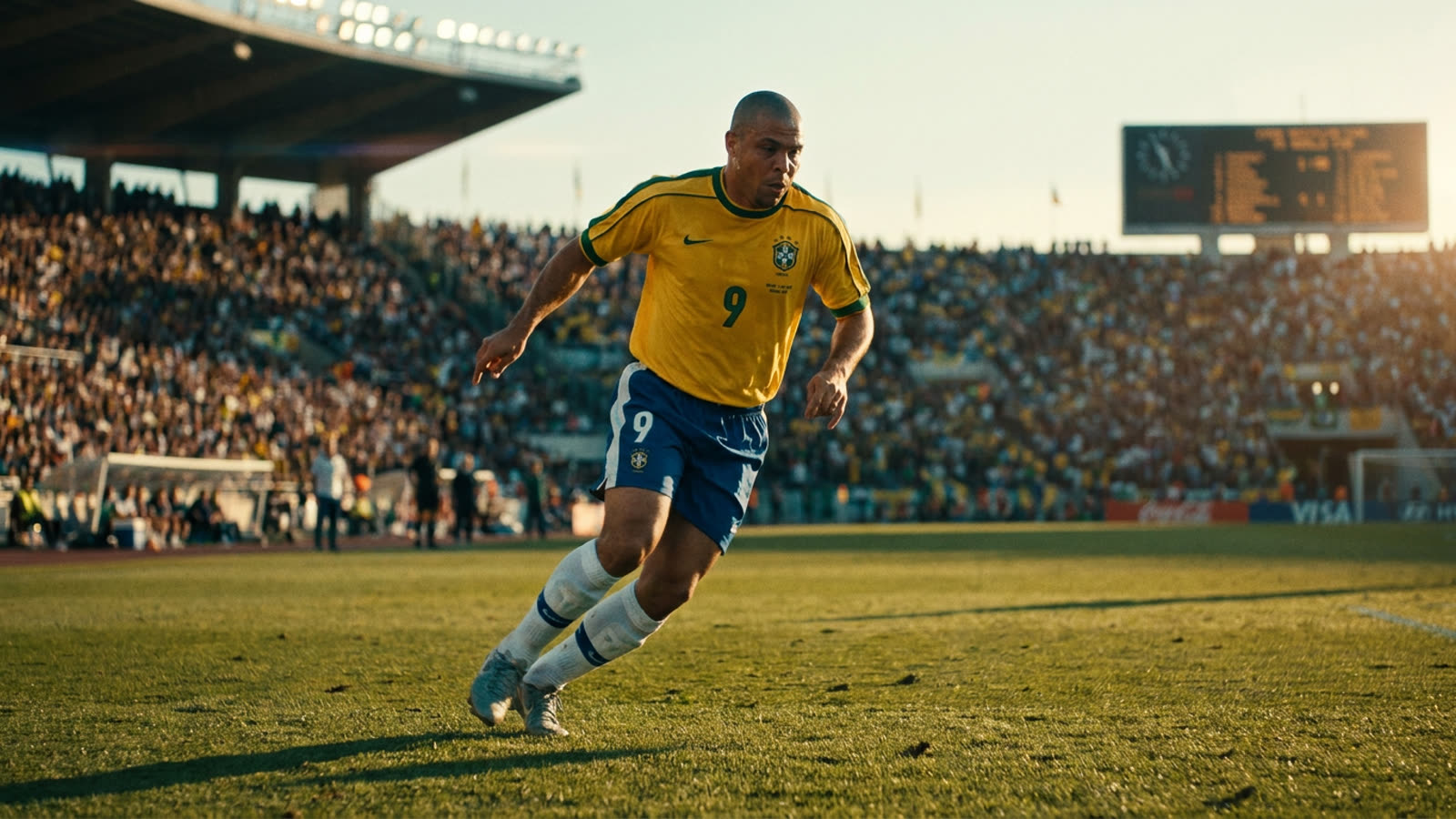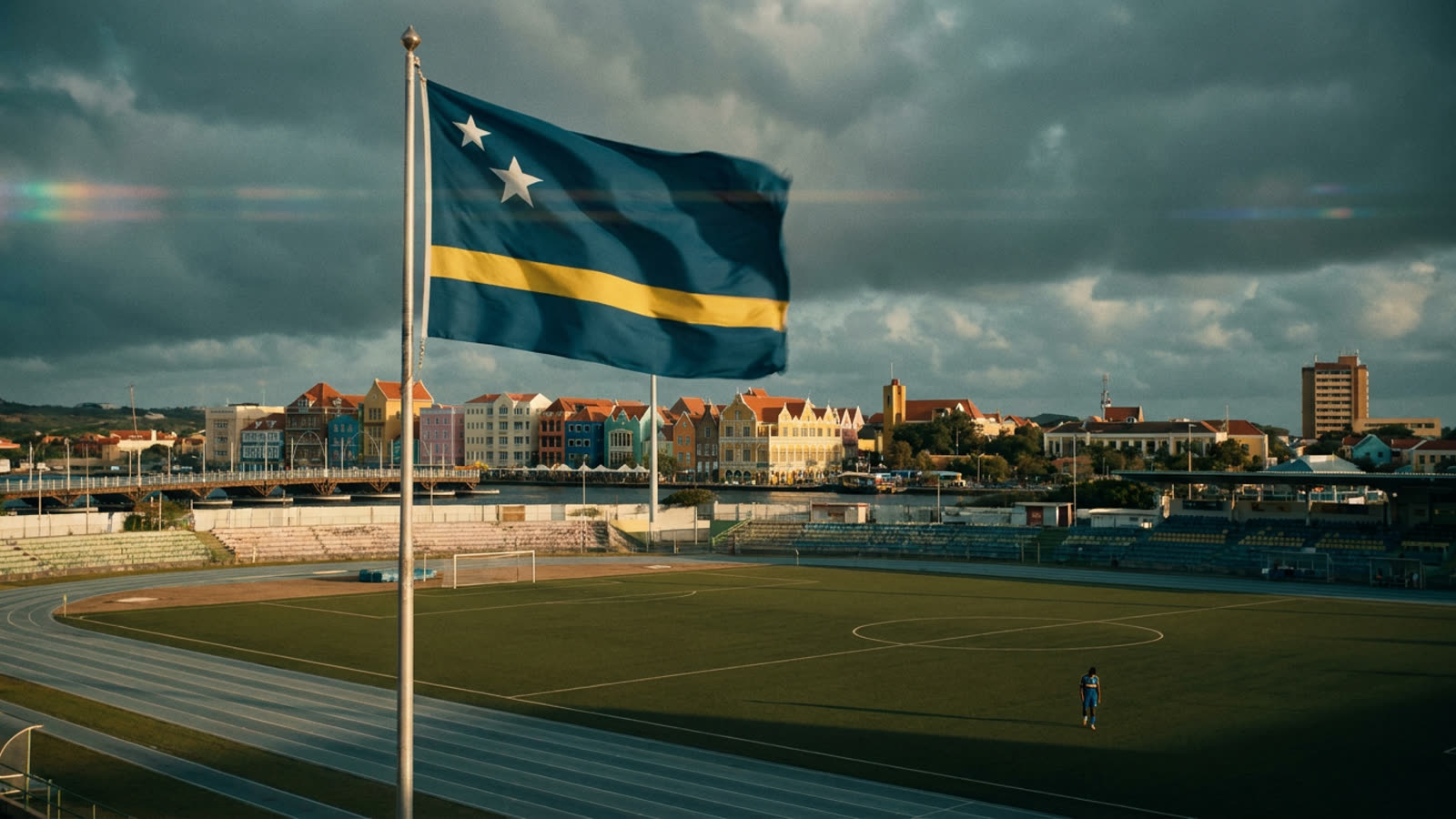
When Curaçao walked out at NRG Stadium on Saturday, they became the smallest nation by population ever to appear at a men's FIFA World Cup — a distinction that will likely stand for generations. Germany, predictably, struck early and often. The final whistle brought a lopsided scoreline that will fade from memory within days. What will not fade is the fact that Curaçao was there at all.
The island, a constituent country of the Kingdom of the Netherlands tucked 40 miles off the Venezuelan coast, has fewer residents than most World Cup host stadiums hold. Its football federation was a bureaucratic afterthought until the mid-2000s, when FIFA's restructuring of Caribbean qualifying created pathways that previously did not exist. Curaçao capitalized methodically: professionalizing its domestic league, recruiting Dutch-born players of Curaçaoan descent, and grinding through CONCACAF's labyrinthine qualification rounds.
The German machine showed no mercy
Julian Nagelsmann's side treated the match as a technical exercise, rotating several starters while still fielding enough quality to overwhelm Curaçao's compact defensive shape. The Germans' early goal settled any notion of an upset, and the match became an extended training session played at three-quarter pace. For Curaçao's players — many of whom compete in the Dutch second division or lower — simply staying organized against world-class movement was the day's objective.
The gap in resources was almost comical. Germany's squad is valued at over €900 million by transfer market estimates; Curaçao's entire roster would not fetch €10 million. The Nationalmannschaft's support staff outnumbers Curaçao's entire delegation. Yet football's appeal has always rested on the fiction that ninety minutes can suspend such arithmetic, and Curaçao's fans in Houston — many having flown from Willemstad or Amsterdam — roared as if the outcome were in doubt.
What qualification means for micro-federations
Curaçao's presence validates FIFA's controversial expansion to 48 teams. Critics warned the bloated format would produce mismatches; they were correct. But the counterargument — that qualification itself transforms football cultures — found its evidence in Houston. Curaçao's federation reported a 300% increase in youth registrations after the team secured its berth. Sponsorship revenue, negligible before, now funds a permanent technical director and scouting network.
The model is replicable. Iceland's 2016 European Championship run, followed by its 2018 World Cup appearance, triggered a facilities boom that outlasted the team's competitive window. For islands like Curaçao, Aruba, and Bonaire — all of which share a joint football development agreement — a single World Cup cycle can institutionalize infrastructure that decades of domestic investment could not.
Our take
Germany will forget this match by Tuesday. Curaçao never will, and that asymmetry is precisely the point. The World Cup's expansion has made the tournament worse as a sporting spectacle and better as a developmental engine. Whether FIFA intended this trade-off is immaterial; the 150,000 people of Curaçao now have a World Cup memory that belongs to them, and no scoreline can confiscate it.