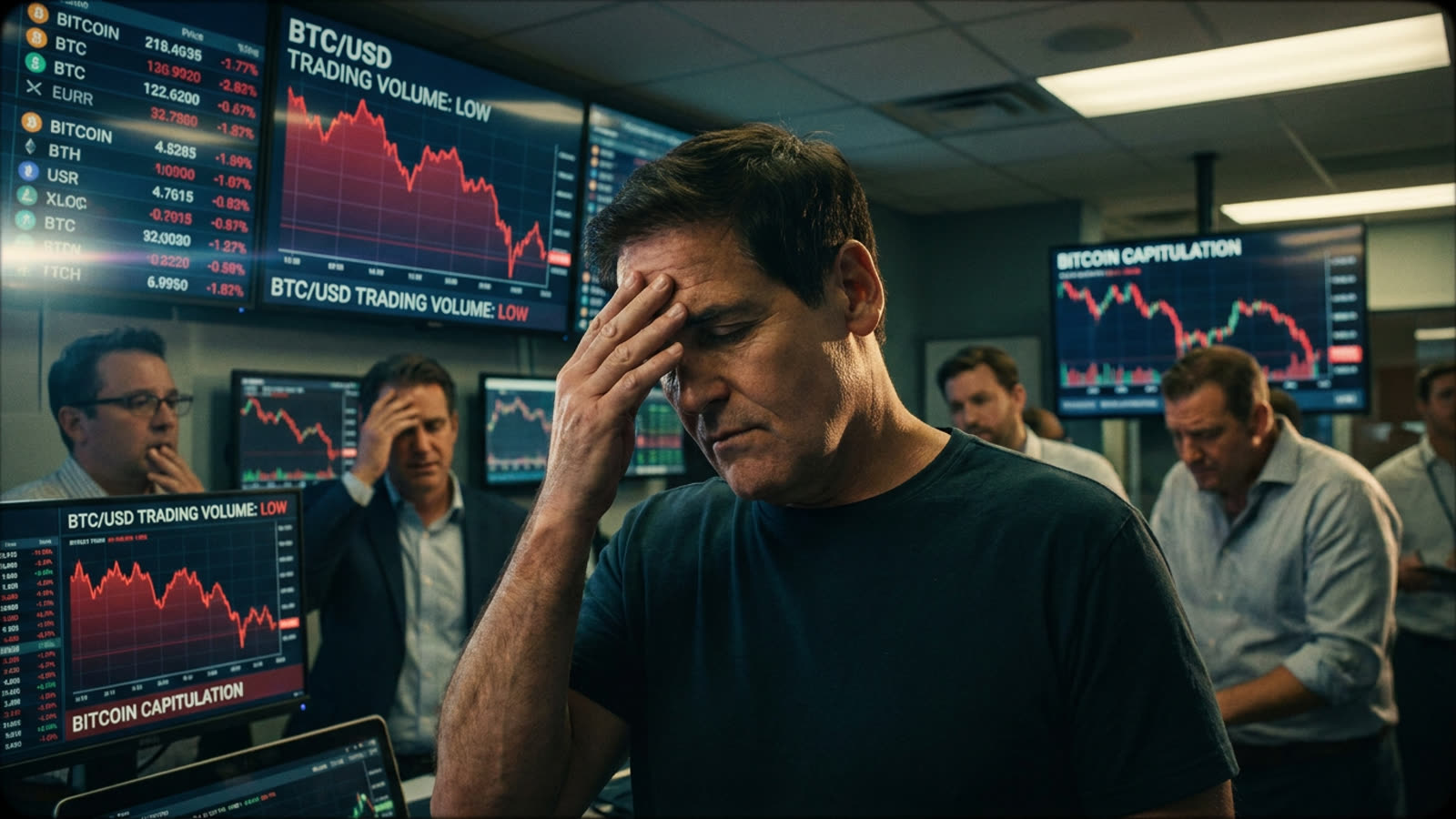
The two largest cryptocurrencies by market capitalization have spent the better part of May doing something unusual: nothing. Bitcoin has oscillated in a narrow band while Ethereum has mirrored its lethargy, creating a rare moment of synchronized stasis at the top of the digital-asset hierarchy. Meanwhile, smaller tokens have begun to stir, absorbing capital from traders grown impatient with the majors' refusal to pick a direction.
This is not the first time crypto markets have witnessed such a rotation, but the current episode carries particular weight. It arrives as institutional infrastructure has matured considerably—spot ETFs trade in the billions, custody solutions have proliferated, and regulatory frameworks, however incomplete, have begun to crystallize. The question is whether the altcoin rotation represents genuine price discovery or merely restless capital seeking volatility for its own sake.
The mechanics of rotation
When Bitcoin and Ethereum trade sideways for extended periods, the opportunity cost of holding them rises for active traders. Capital migrates down the risk curve toward tokens with smaller market caps and higher beta—assets that can move twenty percent on a rumor while Bitcoin budges two. This dynamic creates self-reinforcing momentum in the altcoin space, at least temporarily.
The current rotation has favored a diverse basket: layer-one competitors, meme tokens, and infrastructure plays have all seen inflows. On-chain data suggests the movement is driven less by fundamental conviction than by technical traders chasing breakouts wherever they appear. This is not inherently problematic, but it does mean the gains are built on sand.
Historical precedent offers mixed signals
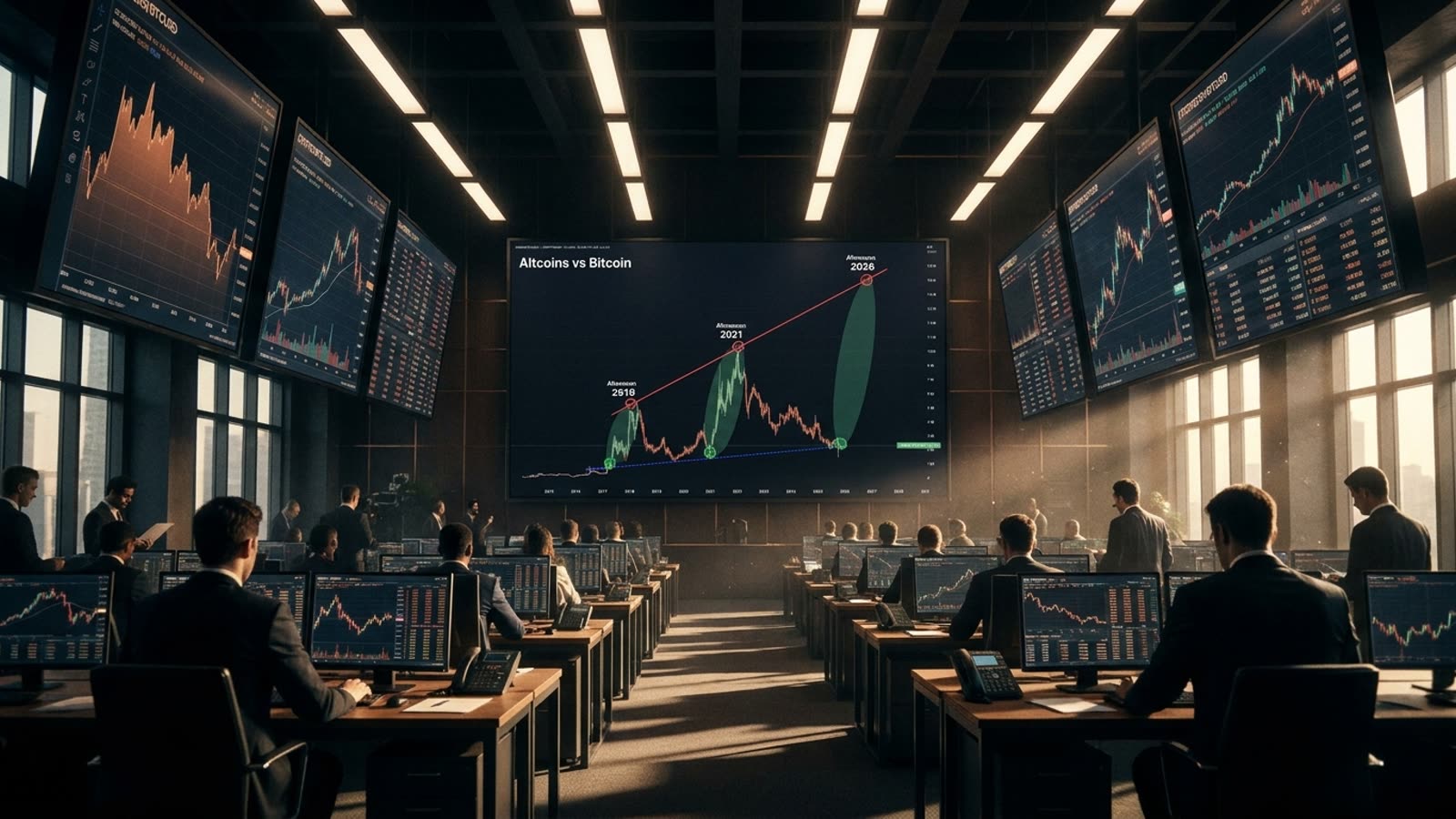
Altcoin seasons have preceded both spectacular Bitcoin rallies and catastrophic market-wide drawdowns. The 2021 cycle saw altcoins surge before Bitcoin's final push toward its all-time high. The 2022 collapse, by contrast, was preceded by similar rotation patterns as traders sought yield in increasingly exotic instruments before the entire edifice crumbled.
What distinguishes this moment is the macro backdrop. Traditional markets have shown remarkable resilience, geopolitical tensions have not yet triggered a flight to safety, and the regulatory environment—while still uncertain—has grown less overtly hostile. These conditions could support a broader crypto rally, but they could just as easily mask the kind of complacency that precedes corrections.
Our take
Range-bound majors and rotating altcoins make for exciting trading but unreliable signals. The market is telling us it lacks conviction, not that it has found a new direction. Sophisticated participants are likely using this period to accumulate positions in assets they believe will lead the next leg—whether up or down. Retail traders chasing altcoin momentum should remember that the music stops eventually, and the exits in smaller tokens are considerably narrower than in Bitcoin or Ethereum. Patience, that most unfashionable of crypto virtues, may prove the winning strategy.