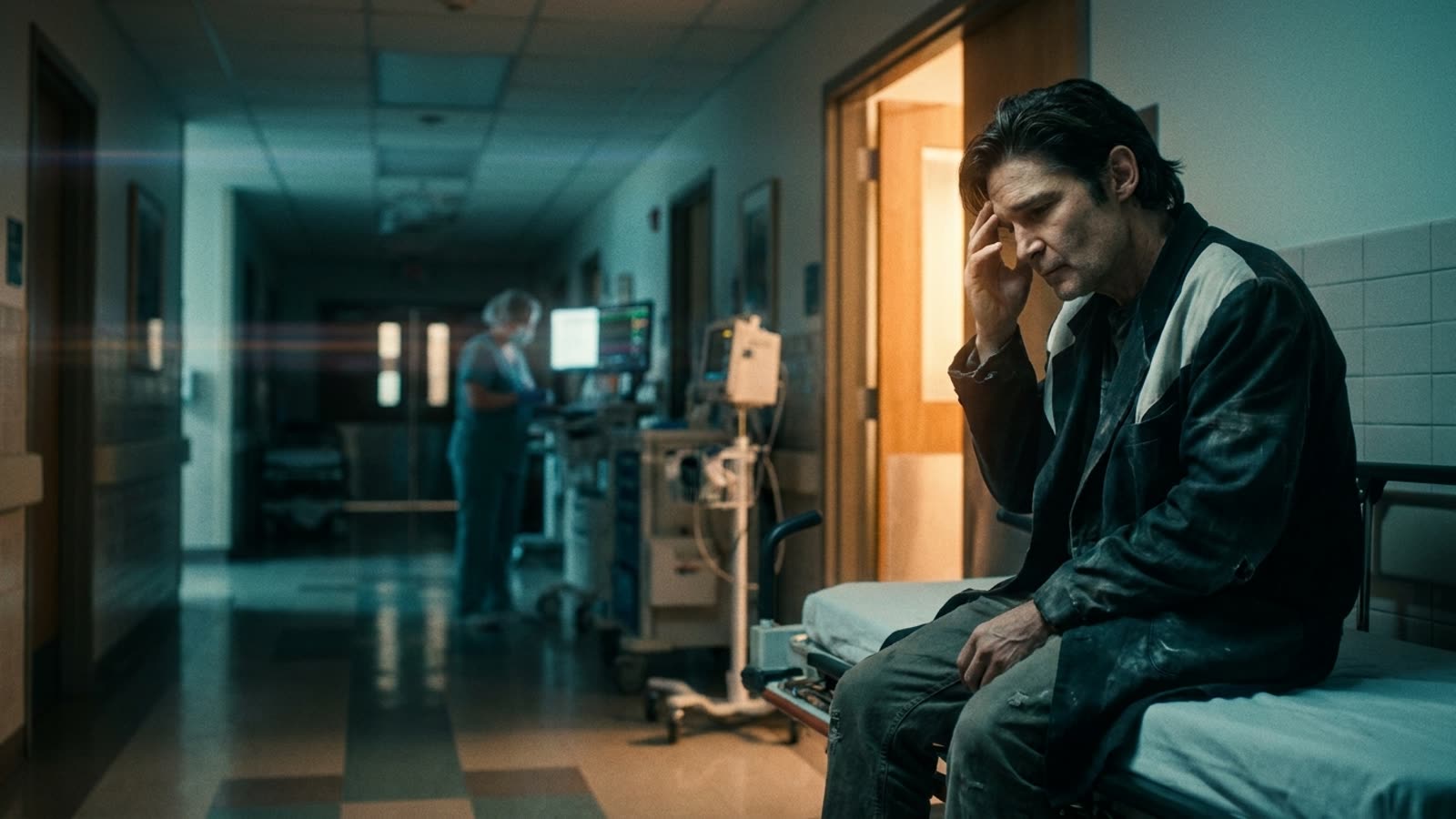
Corey Feldman, the 54-year-old actor whose face once defined 1980s childhood cinema, was hospitalized Monday after suffering a medical emergency aboard a commercial flight. Details remain sparse — representatives have confirmed the hospitalization but declined to specify the nature of the incident — yet the news lands with a particular weight for anyone who has followed Feldman's turbulent post-fame trajectory.
This is a man who starred in The Goonies, Stand by Me, and The Lost Boys before he was old enough to vote, then spent his adult life becoming something far more complicated: a cautionary tale, a crusader, a punchline, and occasionally all three at once.
The burden of being believed too late
Feldman has been publicly alleging systemic child abuse in Hollywood since the early 1990s, long before #MeToo made such claims remotely fashionable. For decades, he was dismissed as paranoid, attention-seeking, or simply unreliable — the kind of former child star whose erratic behavior made it easy to ignore his accusations. The entertainment industry's subsequent reckoning with predators like Harvey Weinstein retroactively validated much of what Feldman had been saying, though the vindication came without much in the way of apology or compensation.
His health has been a recurring concern. Years of admitted substance abuse during his teens and twenties, combined with the psychological toll of early fame and alleged trauma, have left visible marks. Feldman has been candid about these struggles in interviews and his 2020 documentary My Truth: The Rape of Two Coreys, which detailed abuse he claims he and the late Corey Haim endured.
A generation Hollywood would rather forget
Feldman belongs to a cohort of 1980s child stars — alongside figures like Haim, who died in 2010, and others who have fared even worse — whose adult lives became object lessons in what happens when an industry chews through young talent without meaningful safeguards. The reforms that have since been implemented in Hollywood, including stricter regulations around child performers and better mental health resources, came too late for Feldman's generation.
His recent years have been a mix of nostalgia tours, reality television appearances, and continued advocacy work that attracts both genuine supporters and online mockery in roughly equal measure. The mockery has always seemed cruel; whatever one makes of Feldman's artistic choices or public persona, his core claims about industry predators have proven more accurate than his critics ever acknowledged.
Our take
A mid-flight medical emergency is frightening for anyone, but for Feldman it arrives freighted with decades of context that makes dismissive coverage feel especially cheap. He spent years being called crazy for saying things that turned out to be true, and he did so while carrying trauma that would have broken most people entirely. Whether this hospitalization proves minor or serious, it is worth pausing to note that Hollywood still owes Corey Feldman something closer to gratitude than the bemused contempt it has typically offered. The man tried to warn us. We should at least hope he recovers.