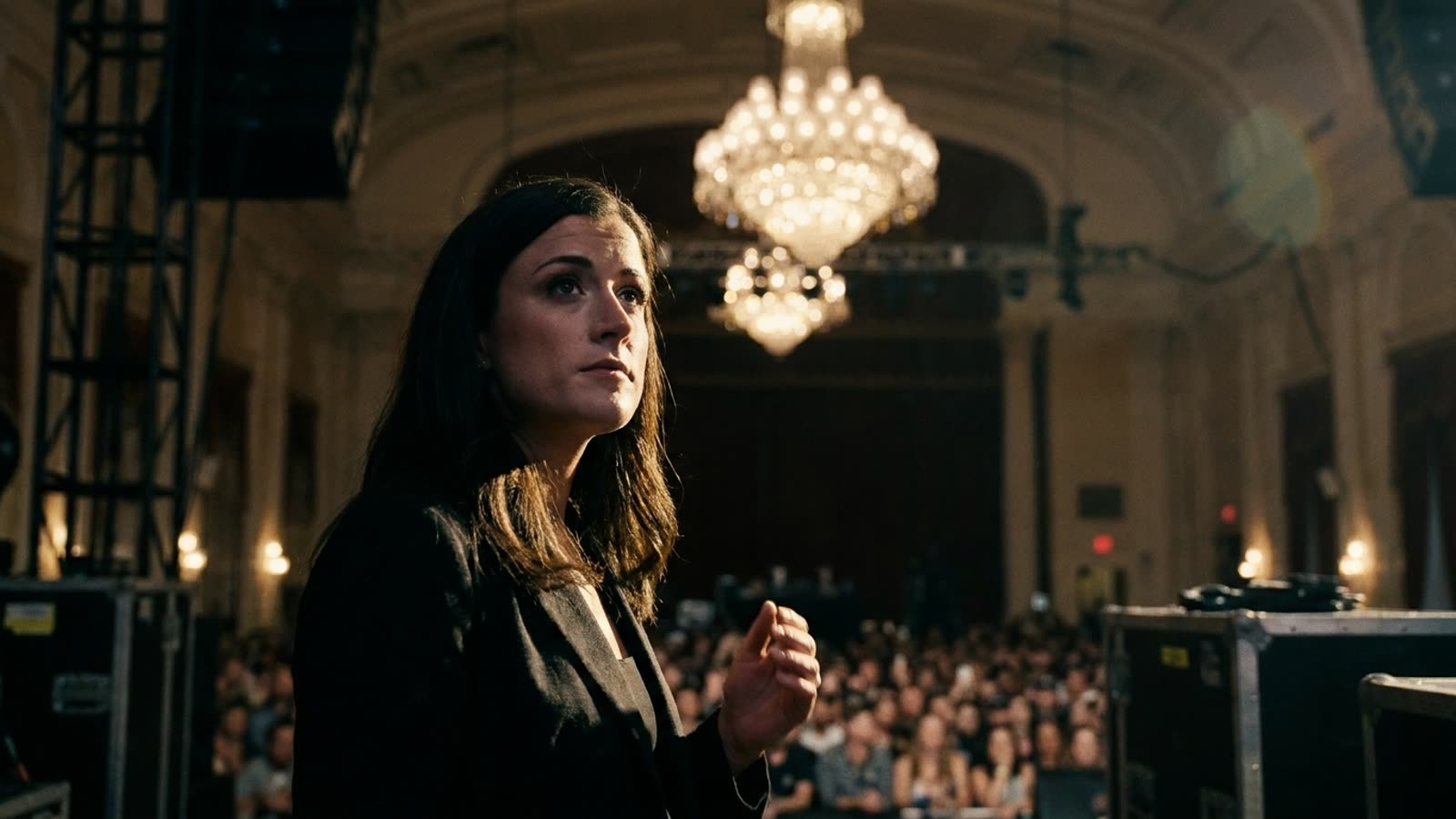
The machinery of presidential retribution requires willing participants at every level, and on Tuesday a grand jury in Virginia declined to play along. Jurors rejected the Justice Department's request to indict Cassidy Hutchinson, the former White House aide whose dramatic 2022 testimony before the January 6 committee made her a household name and, in the eyes of President Trump, an unforgivable traitor.
The decision is not merely a personal reprieve for Hutchinson. It represents the first major institutional check on an eighteen-month campaign to criminally prosecute witnesses, lawyers, and officials who cooperated with investigations into the former president's conduct. Grand juries are famously pliable—prosecutors like to joke they could indict a ham sandwich—which makes this refusal all the more striking.
The case that wasn't
Prosecutors had reportedly pursued perjury charges related to Hutchinson's committee testimony, focusing on her account of a physical altercation between Trump and Secret Service agents in the presidential vehicle on January 6, 2021. That story was disputed by some agents at the time, though corroborating accounts later emerged. The legal theory was always thin: perjury requires proving a witness knowingly lied, not merely that her recollection differed from others'.
What the grand jury saw, we do not know—proceedings are secret. But the outcome suggests that even in a jurisdiction that voted for Trump, citizens were unwilling to criminalize testimony given under oath to a congressional investigation. That distinction matters. The administration's broader strategy depends on the premise that cooperation with Democratic-led inquiries was itself a form of political betrayal deserving punishment.
A pattern interrupted
Hutchinson is not the only target. The Justice Department has opened investigations into multiple former January 6 committee members, election workers who testified about threats, and lawyers who represented witnesses. Kash Patel's FBI has been explicit about its willingness to pursue cases at the president's direction, as an agent acknowledged in court testimony this week.
The grand jury's refusal does not end this campaign, but it introduces friction. Prosecutors must now decide whether to seek a superseding indictment, try a different venue, or quietly move on. Each option carries political risk. Pursuing Hutchinson further after a grand jury rejection would invite accusations of harassment; abandoning the case would disappoint a president who has made personal loyalty the organizing principle of his second term.
Our take
Grand juries are not designed to be bulwarks against executive overreach—they are screening mechanisms, not trial courts. That one nonetheless declined to indict suggests the administration's legal theories are weaker than its political confidence. Cassidy Hutchinson testified about what she saw; a room full of Virginians apparently decided that is not a crime. The revenge tour continues, but it just learned that not every audience will applaud.