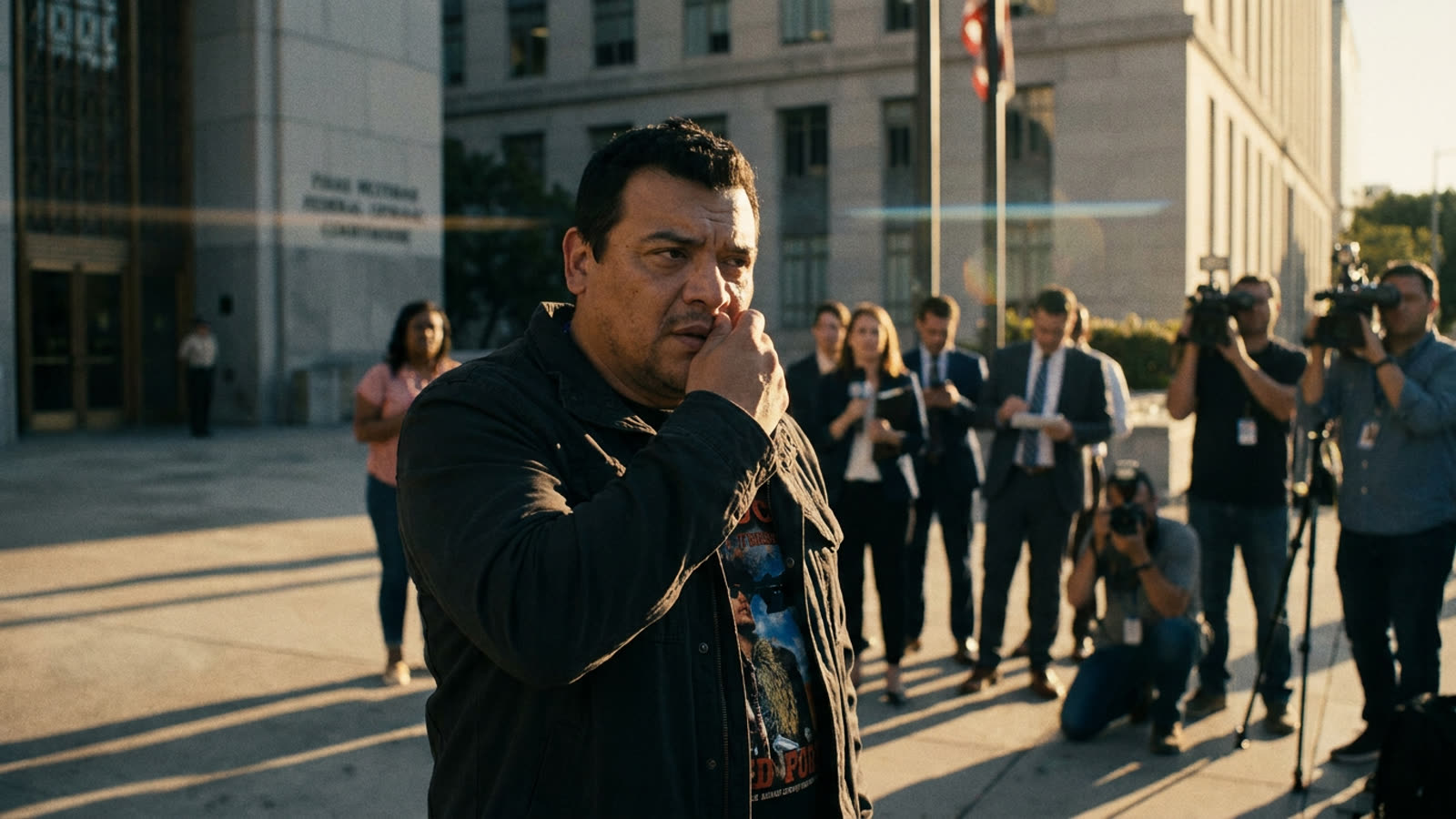
Carlos Mencia, the comedian who once headlined arenas and anchored Comedy Central's "Mind of Mencia," is now facing a dozen tax-related charges filed by the Los Angeles District Attorney's office — a development that threatens to overshadow the quiet rehabilitation campaign he has been waging for nearly two decades.
The charges, announced this week, represent a significant legal exposure for the 57-year-old performer, whose career trajectory has been defined by spectacular rise, public disgrace, and dogged attempts at reinvention. While the specific nature of the alleged tax violations has not been fully detailed, twelve counts suggests a pattern rather than an oversight.
The long shadow of 2007
Mencia's name became synonymous with comedy's cardinal sin after Joe Rogan confronted him onstage at The Comedy Store in 2007, accusing him of stealing jokes from multiple comedians including Ari Shaffir, Bobby Lee, and Rogan himself. The viral clip — one of the internet's earliest cancellation documents — effectively ended his mainstream career. Comedy Central cancelled his show. Club bookings evaporated. Fellow comedians who had previously stayed silent began speaking publicly about his alleged theft.
What followed was not retirement but a grinding campaign to work his way back through the comedy club circuit, one small room at a time. By the early 2020s, Mencia had rebuilt a modest touring career, appearing on podcasts to address the plagiarism accusations and positioning himself as a cautionary tale who had learned from his mistakes.
Tax troubles and the entertainment industry
Celebrities facing tax charges is hardly novel — Wesley Snipes served prison time, Nicolas Cage lost a castle, Willie Nelson famously settled with the IRS for a fraction of what he owed. But timing matters. For a performer in Mencia's position, already operating on the margins of the industry, criminal charges introduce a level of uncertainty that makes booking decisions difficult for venues and promoters.
The Los Angeles DA's decision to pursue charges rather than civil remedies suggests prosecutors believe they can prove willful evasion rather than mere negligence. California has been increasingly aggressive in pursuing entertainment industry figures for tax violations, viewing high-profile cases as both revenue recovery and deterrent.
Our take
There is something almost Shakespearean about Mencia's predicament — a man who spent years trying to escape one form of public shame now confronting another entirely unrelated disgrace. The plagiarism accusations, whatever their merit, concerned artistic integrity. Tax charges concern something more prosaic: whether you paid what you owed. The former can be debated, relitigated, forgiven by audiences who decide the work is funny enough to overlook the sourcing. The latter is a matter for courts and accountants. Mencia's second act, such as it was, now faces its most serious obstacle yet — and this time, a viral apology tour will not suffice.