Nimari Burnett, Caleb Love, and a parade of stars have made the transfer portal college basketball's most consequential institution. So when Trey Cadeau, the guard who carried Michigan to the 2026 Final Four and claimed Most Outstanding Player honors, announced he would return to Ann Arbor, the decision landed with genuine surprise. In an era where loyalty is a negotiating position and every postseason breakout becomes a bidding war, staying put is the contrarian move.
Cadeau's choice inverts the standard playbook. A standout tournament run typically triggers immediate portal entry, a flurry of NIL offers from programs with deeper pockets, and a summer of courtship that resembles NFL free agency more than amateur athletics. The guard had every incentive to test the market: he is young, his stock will never be higher, and Michigan's recent history suggests the program cannot outspend blue-blood competitors in a straight auction.
The economics of staying
The financial calculus has changed, but not in the direction most assume. Early portal entrants in 2024 and 2025 often discovered that the market for their services was thinner than advertised. Programs have limited NIL budgets, and the supply of available talent now exceeds the demand for it. Cadeau's camp may have concluded that a guaranteed role, established relationships, and a program already built around his skills outweigh speculative dollars elsewhere. Michigan's collective, meanwhile, has every reason to make him whole — losing the MOP after a Final Four run would be a recruiting catastrophe.
There is also the matter of draft positioning. Another year as the unquestioned centerpiece of a contending team, with the national profile that comes from a deep tournament run, may do more for Cadeau's NBA prospects than a single season learning a new system at a more prestigious address. The transfer portal rewards immediate contributors; it punishes players who need time to adjust.
What it means for Michigan
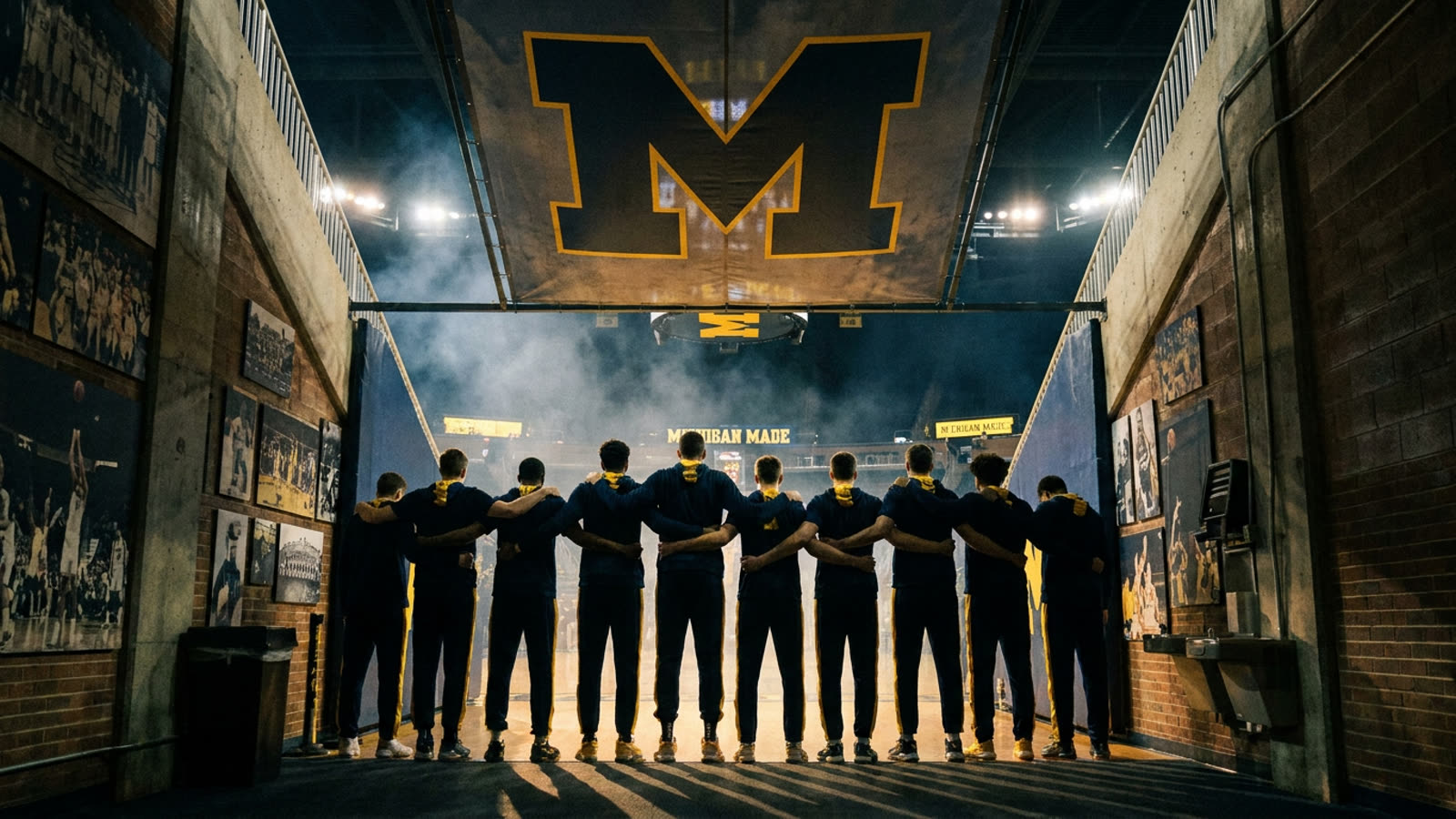
For head coach Dusty May, Cadeau's return is the foundation of a legitimate repeat contender. The Wolverines lose pieces, as every program does, but they retain the player around whom everything else can be organized. Recruiting becomes easier when you can promise incoming talent a proven point guard who just performed on the sport's biggest stage. The collective's pitch to donors becomes simpler: we kept our guy, now help us build around him.
Our take
Cadeau's decision is a small act of resistance against the centrifugal forces tearing college basketball apart. It will not reverse the portal's dominance, nor should anyone expect it to. But it does suggest that the market is maturing — that players and their advisors are beginning to weigh stability, fit, and long-term development against the lure of a bigger bag. In a sport where every offseason feels like a controlled demolition, one star choosing to stay is, improbably, the most interesting story of the summer.