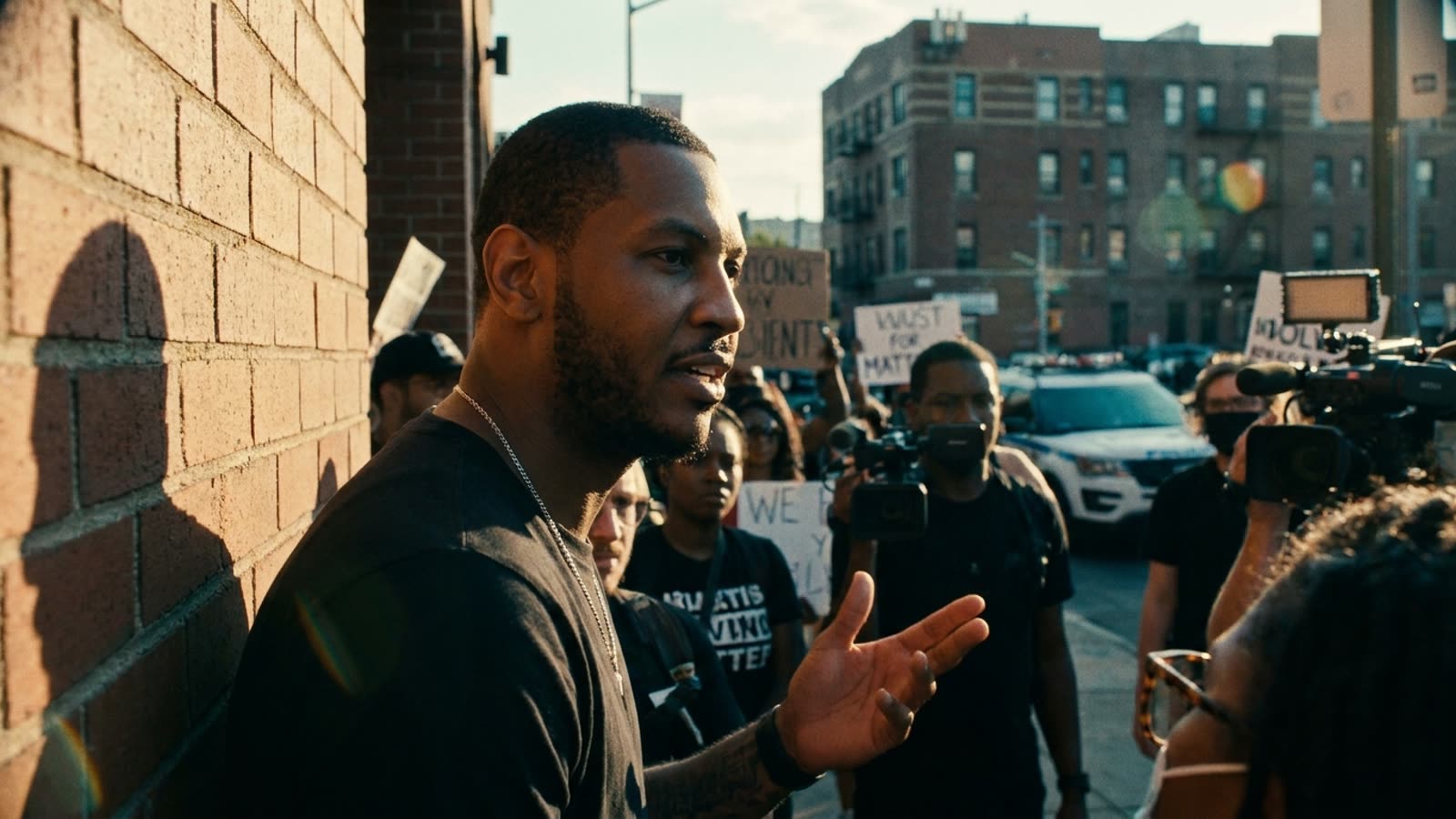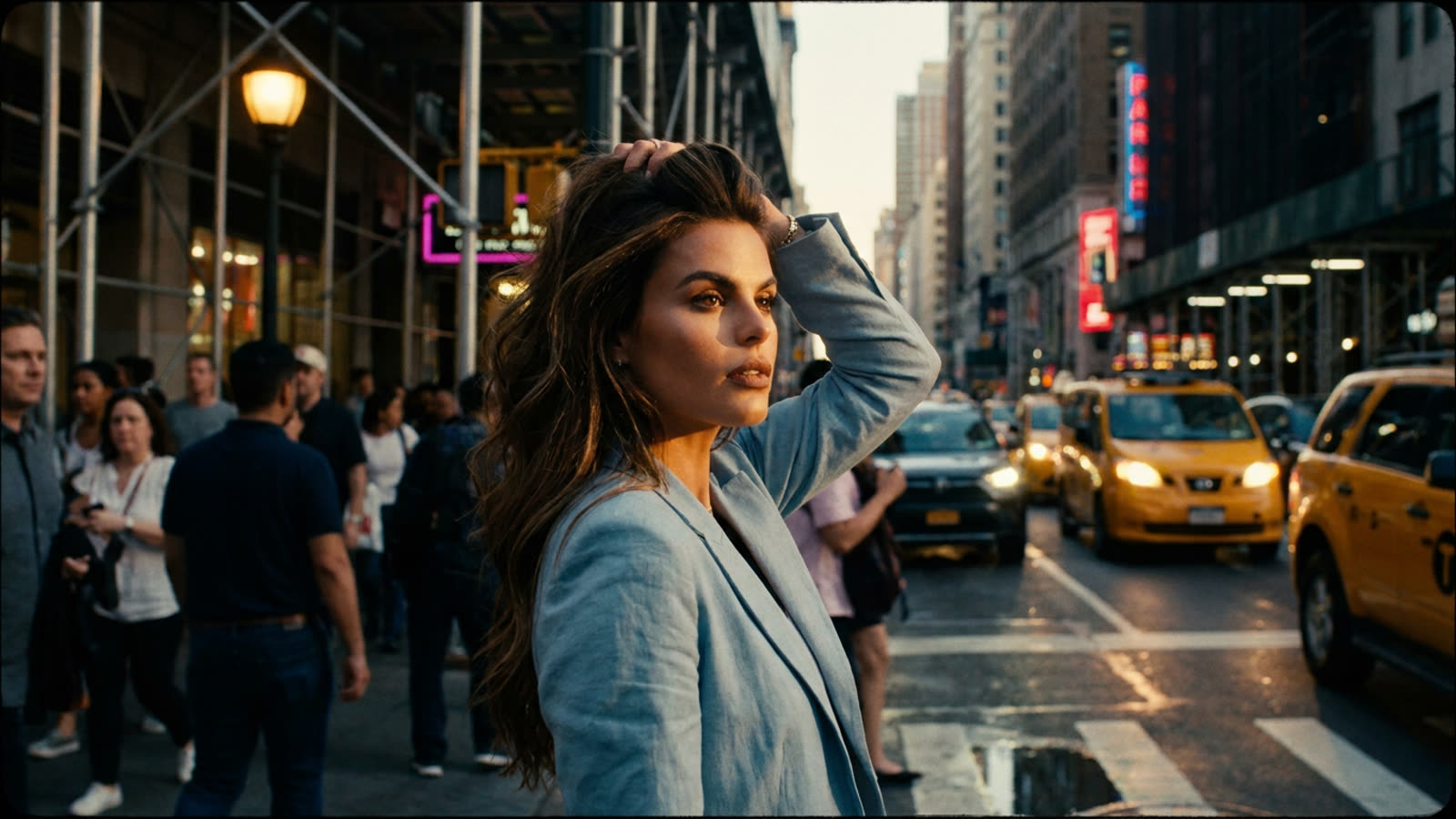
Brooks Nader's jawline in 2018 and Brooks Nader's jawline in 2026 are not the same jawline. This is neither accusation nor revelation—it is simply observable fact, the kind that used to be whispered about in tabloid blind items but now gets discussed openly in comment sections, TikTok breakdowns, and even by the subjects themselves. The 28-year-old Sports Illustrated Swimsuit model has become an unlikely avatar for a broader shift in how we talk about cosmetic enhancement: not whether it happened, but how it happened, and whether it looks good.
The old playbook—"I just drink a lot of water"—has become almost quaint. A generation raised on Instagram filters and FaceTune understands that faces are, to some degree, malleable projects. The question has shifted from "did she or didn't she" to "who did the work."
The aesthetics economy grows up
The American Society of Plastic Surgeons reported that minimally invasive procedures have more than doubled since 2015, with the fastest growth among patients under 30. But the more significant change is cultural. Celebrities who once would have denied any enhancement now casually mention their "tweakments" in interviews. Hailey Bieber discusses her jawline contouring. Bella Hadid acknowledged her teenage nose job. The secrecy that once surrounded aesthetic procedures has given way to something closer to transparency, or at least plausible deniability with a wink.
Nader, who rose to prominence through Sports Illustrated's annual Swimsuit Issue and has since become a fixture in the influencer-celebrity ecosystem, represents this transition in real time. Her early modeling photos show a conventionally attractive young woman from Louisiana. Her recent appearances show someone whose bone structure appears to have been refined with the precision of a CAD program. Neither version is more "real" than the other—both are Brooks Nader, just at different stages of a beauty evolution that is now conducted in public view.
The documentation paradox
Social media has created an unprecedented archive of celebrity faces. Every red carpet, every Instagram post, every paparazzi shot becomes a data point in an informal longitudinal study. The "then and now" format—once the province of grocery-store tabloids—is now a genre unto itself, with dedicated accounts amassing millions of followers by cataloging celebrity transformations.
This creates a strange paradox: the more accessible cosmetic procedures become, the harder they are to hide. A subtle lip filler might go unnoticed in isolation, but when your face exists in a searchable database of thousands of images, patterns emerge. The result is a kind of enforced honesty—not because celebrities have become more forthcoming, but because the evidence is simply too abundant to deny.
Our take
The interesting thing about Brooks Nader's face is not what has been done to it, but how little anyone bothers to pretend otherwise. We have entered an era where aesthetic enhancement is discussed with roughly the same casualness as hair color—acknowledged, sometimes admired, occasionally criticized, but rarely shocking. This is probably healthier than the previous regime of elaborate denial, even if it creates its own pressures. When everyone knows that faces can be sculpted, the question becomes not whether to participate, but how much, and when to stop. Nader, at 28, is still early in what promises to be a long career of being looked at. Her face will continue to change, as all faces do. The difference now is that we'll all be watching, and nobody will pretend we're not.