Bitcoin's search volume is surging across tracking platforms, yet the asset itself is doing something unusual for a cryptocurrency synonymous with volatility: almost nothing. The divergence between attention and action tells a story worth parsing.
The flagship digital asset has spent recent weeks consolidating in a tight range, frustrating both bulls hoping for a breakout toward new highs and bears positioned for a deeper correction. Trading volumes have compressed. Implied volatility has declined. And yet, according to CoinGecko's trending data, Bitcoin has rocketed to the top of search interest rankings—the kind of spike typically associated with dramatic price moves or major news events.
The attention paradox
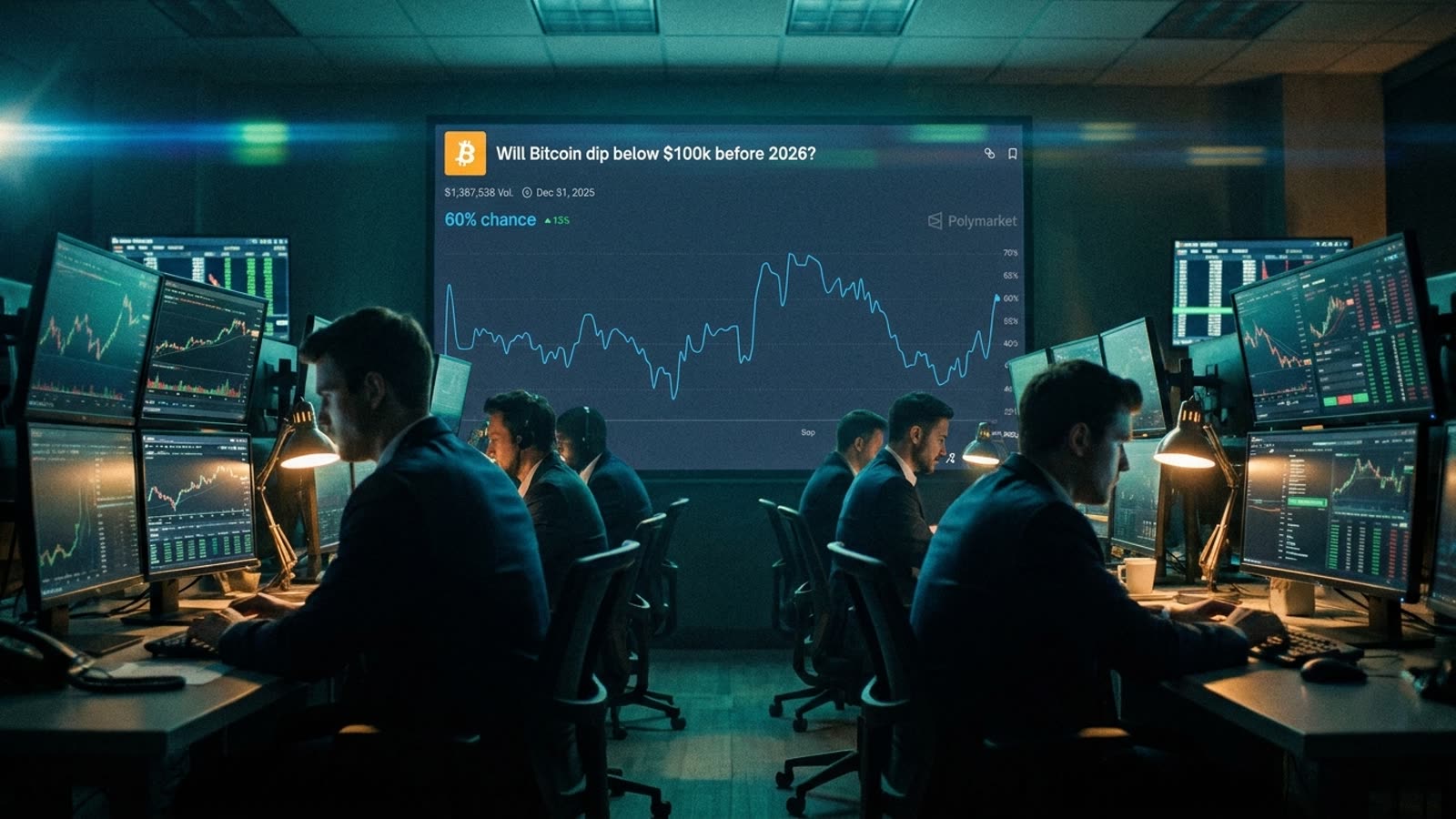
Historically, Bitcoin search trends correlate with price action. Retail investors google "Bitcoin" when it's ripping or crashing, not when it's flatlined. The current pattern inverts that relationship. One plausible explanation: a growing cohort of sidelined capital is watching for an entry point, aware that the post-halving cycle historically delivers substantial gains but uncertain about timing. Another possibility is institutional positioning ahead of anticipated regulatory clarity in the United States, where the SEC's posture toward spot Bitcoin products continues to evolve.
The macro backdrop adds context. With the Federal Reserve signaling patience on rate cuts and equity markets showing signs of fatigue, Bitcoin's narrative as an uncorrelated asset—contested but persistent—may be drawing fresh attention from allocators seeking diversification.
What the options market says
Derivatives traders appear to be positioning for a volatility expansion. Open interest in Bitcoin options has climbed even as realized volatility has fallen, a configuration that often precedes significant directional moves. The term structure of implied volatility shows a modest premium for longer-dated contracts, suggesting the market expects the current calm to break—just not immediately.
On-chain metrics tell a similar story. Long-term holder supply continues to increase, a pattern consistent with accumulation phases in prior cycles. Meanwhile, exchange balances have declined, indicating that coins are moving into cold storage rather than positioning for near-term sales.
The halving shadow
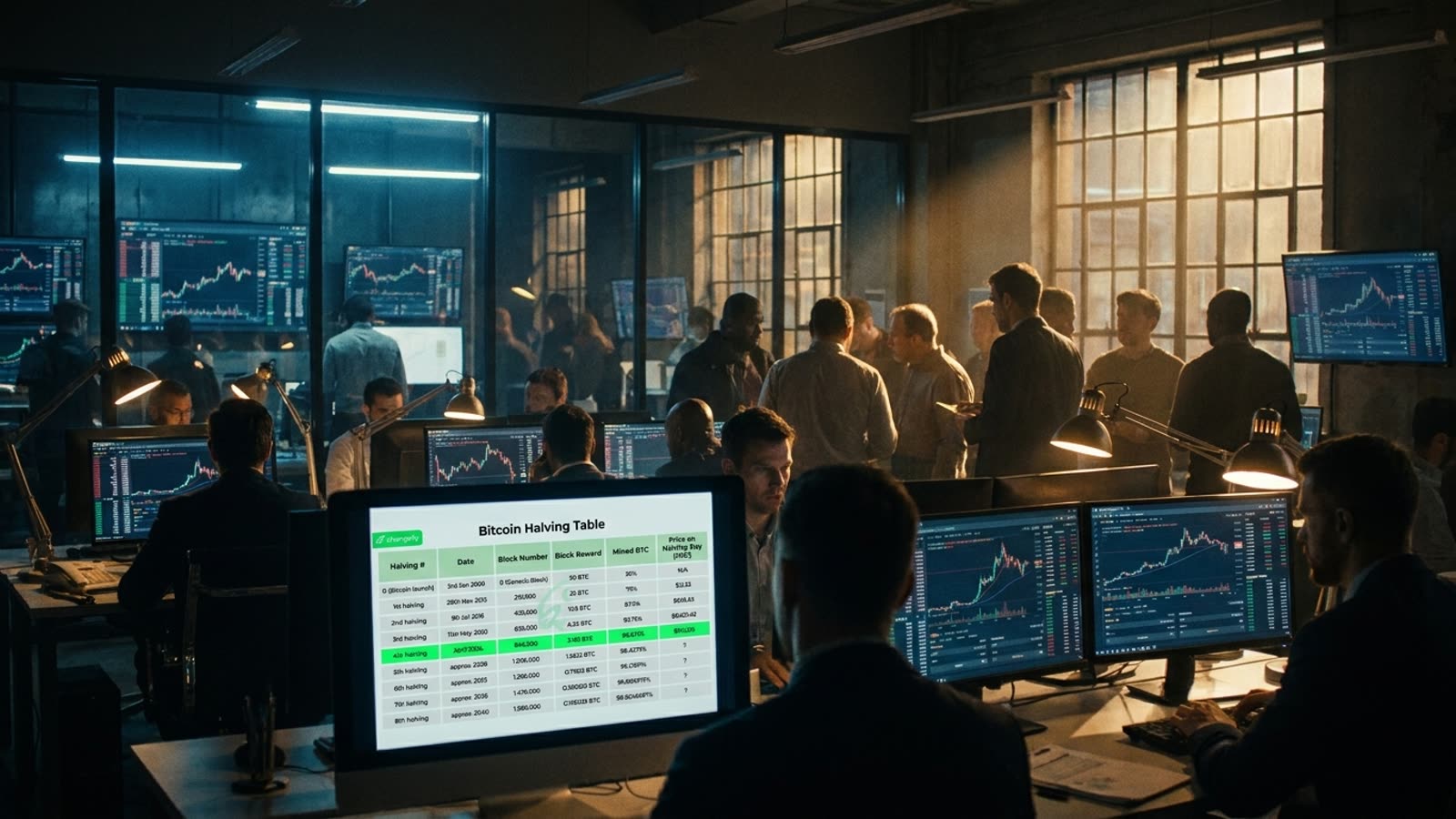
Bitcoin's fourth halving occurred in early 2024, reducing the block reward to 3.125 BTC. If historical patterns hold—and skeptics rightly note that past performance guarantees nothing—the twelve-to-eighteen months following a halving have delivered the cycle's most explosive gains. We are now squarely in that window, which may explain why attention is elevated even as price action disappoints.
The counterargument is that Bitcoin has matured. Institutional adoption, ETF inflows, and broader market integration may have smoothed the boom-bust cycles that characterized earlier eras. If so, the search spike could simply reflect curiosity rather than conviction.
Our take
The gap between Bitcoin's trending status and its price action is a feature, not a bug. It suggests a market that has grown up—participants doing homework rather than chasing candles. Whether that homework leads to buying, selling, or continued waiting remains to be seen, but the attention itself is informative. Bitcoin's ability to command mindshare during periods of calm is a reminder that its cultural and financial gravity endures, regardless of what the charts are doing on any given week.