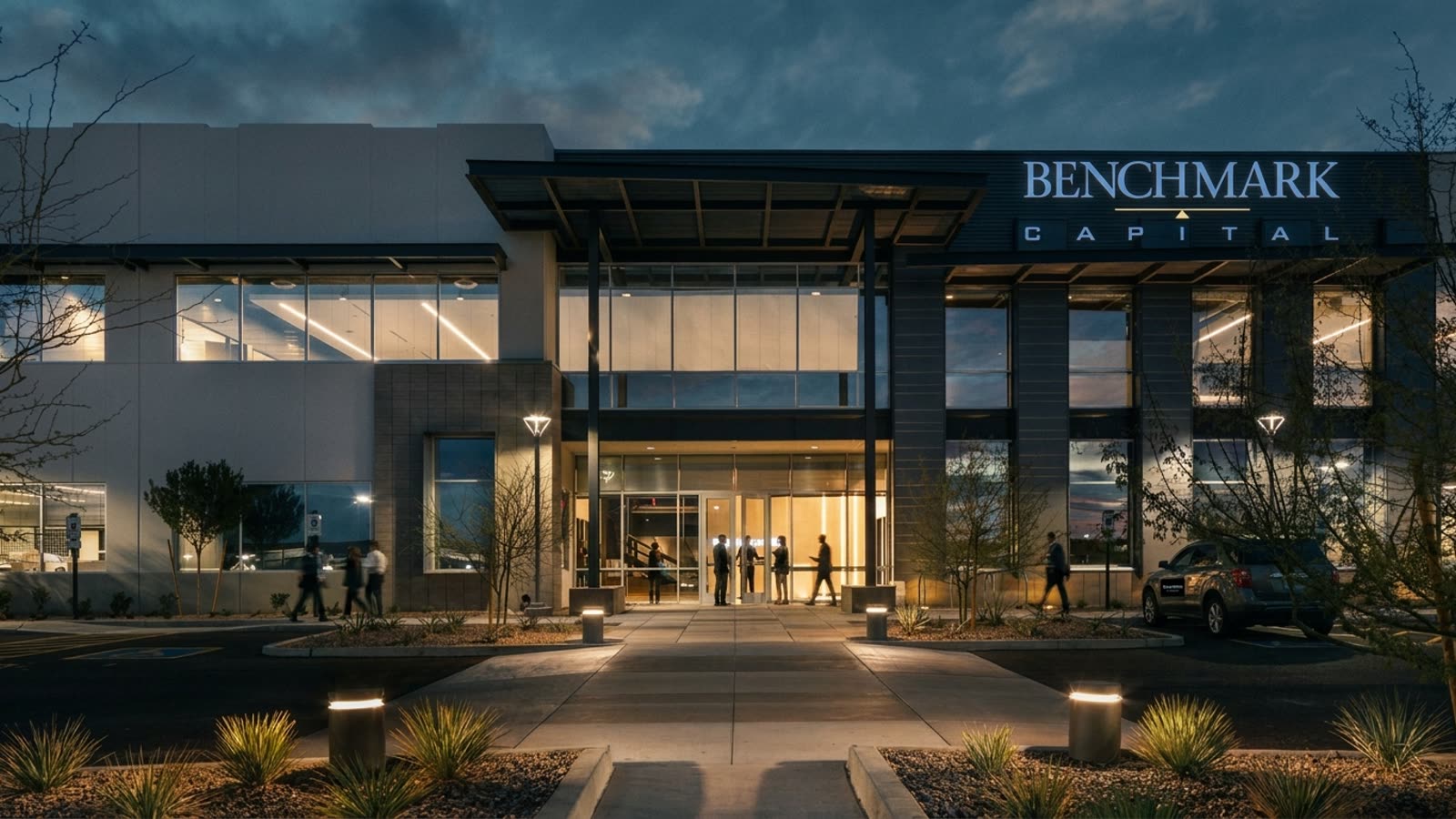
For forty years, Benchmark Capital has been the closest thing Silicon Valley has to a monastic order. One fund at a time. Equal partnership splits. No growth investing. No hedging. The discipline made legends of its partners and minted fortunes from eBay, Twitter, Uber, and Instagram. Now the monastery is building an annex.
The firm has raised $2 billion in new capital, and for the first time in its history, a portion will flow into a dedicated growth fund designed to write larger checks into later-stage companies. It is the most significant strategic pivot in Benchmark's existence, and it tells us something important about the state of venture capital in 2026: even the purists can no longer afford purity.
The economics of patience have changed
Benchmark's original thesis was elegant. Get in early, take board seats, own meaningful stakes, and exit when companies go public. The model assumed a functioning IPO market that rewarded growth companies within a reasonable timeframe. That assumption has been under siege for years.
The median time from Series A to IPO has stretched past a decade. Companies like Stripe, SpaceX, and OpenAI have remained private while reaching valuations that would place them among the largest public companies on Earth. For a firm that only writes early checks, this creates a painful math problem: ownership gets diluted across endless private rounds, and the partnership waits longer for liquidity while competitors deploy capital across the entire funding stack.
Benchmark's partners are not sentimental. They watched Andreessen Horowitz, Tiger Global, and a parade of crossover funds vacuum up the growth rounds that used to be the province of public markets. The choice became clear: adapt or accept structural disadvantage.
What $2 billion buys in 2026
The capital raise is split between a traditional early-stage fund and the new growth vehicle. Benchmark has not disclosed the exact allocation, but the growth fund represents a meaningful departure from the firm's historical fund sizes, which rarely exceeded $500 million. The firm is betting it can apply its board-centric, high-conviction approach to later-stage deals without becoming another undifferentiated capital factory.
The timing is deliberate. With SpaceX reportedly targeting a $75 billion IPO and several AI unicorns circling public markets, 2026 may finally see the IPO window crack open after years of drought. Benchmark wants dry powder to participate in pre-IPO rounds and to double down on its own winners before they escape into public hands.
The discipline question
Skeptics will ask whether Benchmark can maintain its culture while playing a different game. Growth investing rewards speed and scale; early-stage investing rewards judgment and patience. The firm's equal-partnership model, which has survived for decades, will face new pressures when partners are deploying capital at vastly different check sizes.
There is also the matter of brand. Benchmark's mystique derived partly from what it refused to do. Every fund that stayed the same size while competitors ballooned was a statement about conviction over assets under management. The growth fund does not erase that history, but it complicates the narrative.
Our take
Benchmark is not abandoning its principles; it is acknowledging that the game has changed beneath everyone's feet. When the best companies stay private for fifteen years and raise billions before ringing any bell, a firm that only writes $10 million checks is playing with one hand tied. The growth fund is a concession to reality, not a capitulation to greed. Whether Benchmark can execute in a category it has studiously avoided is an open question, but the decision itself is the most honest assessment of modern venture economics to come out of Sand Hill Road in years.