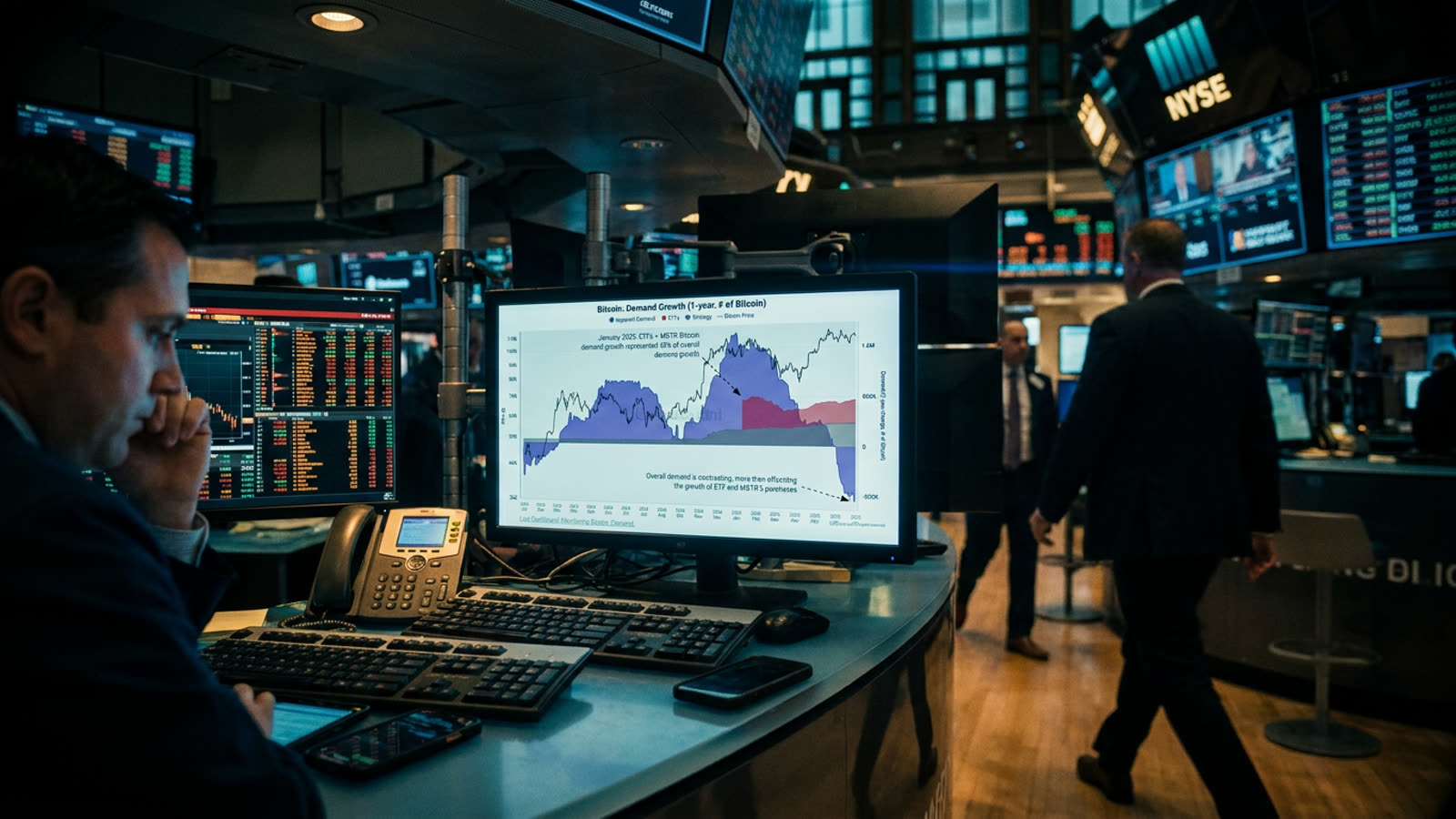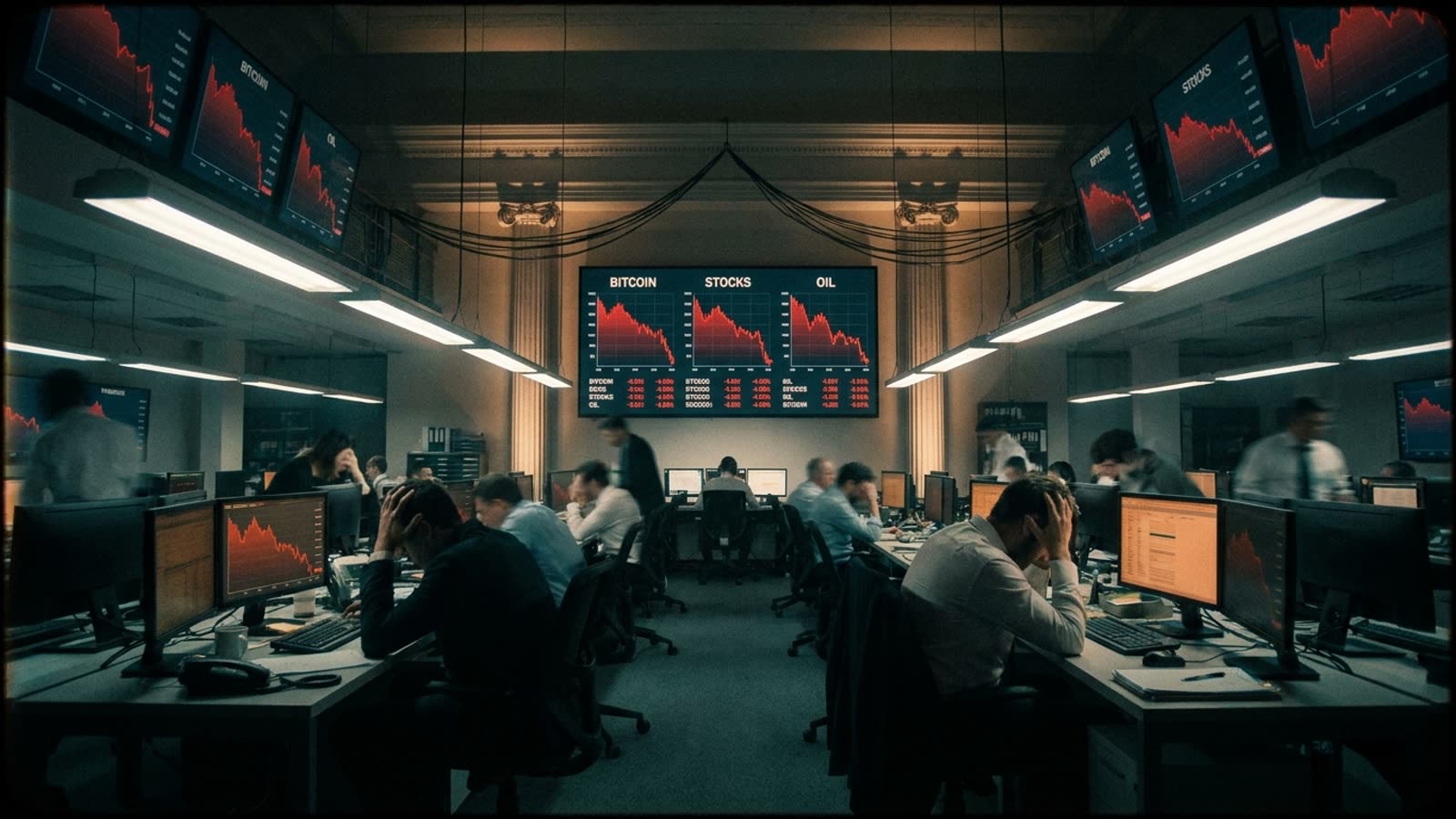
The fantasy that bitcoin offered uncorrelated returns died sometime between Monday and Wednesday, when the cryptocurrency dropped alongside the S&P 500, the Nasdaq, Ethereum, Solana, and—in a twist that would have seemed paradoxical a decade ago—crude oil. By midweek, the only asset class holding up was cash, and even that felt like a temporary reprieve.
The synchronized selloff isn't a fluke. It's the new normal, and it has profound implications for anyone still clinging to the belief that a diversified portfolio means spreading money across different-sounding asset names.
The correlation trap
For years, bitcoin evangelists pitched the cryptocurrency as "digital gold"—a hedge against inflation, a store of value uncorrelated with traditional markets. The pitch worked beautifully during the low-rate era when liquidity was abundant and risk assets moved on their own idiosyncratic narratives. But as central banks tightened and real rates rose, bitcoin revealed itself to be what skeptics always suspected: a high-beta risk asset that amplifies equity moves rather than offsetting them.
This week's action made the point brutally. As U.S. equities slid on renewed concerns about consumer spending and corporate earnings guidance, bitcoin dropped from above $68,000 to test the mid-$66,000 range. Ethereum and Solana followed in lockstep, with altcoins bleeding even faster. Meanwhile, oil—which had been rallying on Middle East supply fears—gave back gains as demand concerns reasserted themselves.
The result: a portfolio holding stocks, crypto, and commodities lost money in every bucket simultaneously.
Why everything moves together now
The culprit is liquidity, or rather the lack of it. When the Federal Reserve was printing money and rates were near zero, capital flowed into every conceivable asset class, creating the illusion of diversification. Stocks went up, crypto went up, real estate went up, art went up. Investors congratulated themselves on their sophisticated allocations.
But easy money masked a deeper truth: all these assets were being bid up by the same marginal dollar. When that dollar retreats—whether because of rate hikes, quantitative tightening, or simple risk aversion—it retreats from everywhere at once. The correlations that seemed low during the boom reveal themselves to be artifacts of the boom itself.
Fed Governor Williams's recent comments about lacking a clear directional signal on rates only reinforced the uncertainty. Markets hate ambiguity, and when the policy path is unclear, investors de-risk across the board rather than making surgical adjustments.
Our take
The death of diversification isn't a reason to abandon portfolio construction—it's a reason to be honest about what diversification can and cannot do. In a world where all risk assets are correlated to global liquidity conditions, the only true hedge is reducing exposure to risk assets altogether, at least at the margin. That's an uncomfortable message for an industry built on the promise that clever allocation can eliminate downside. But the market is delivering that message anyway, whether anyone wants to hear it or not.