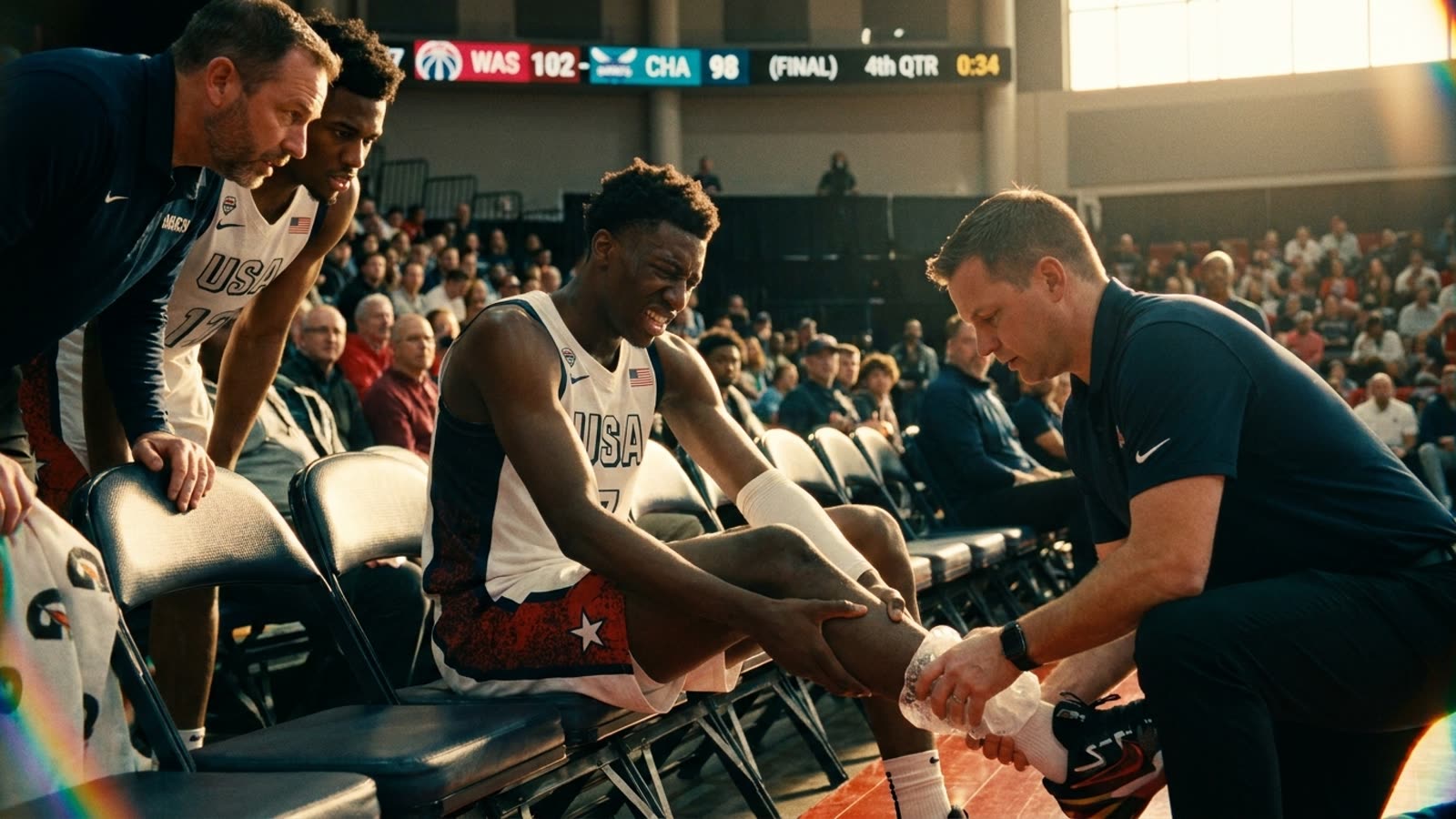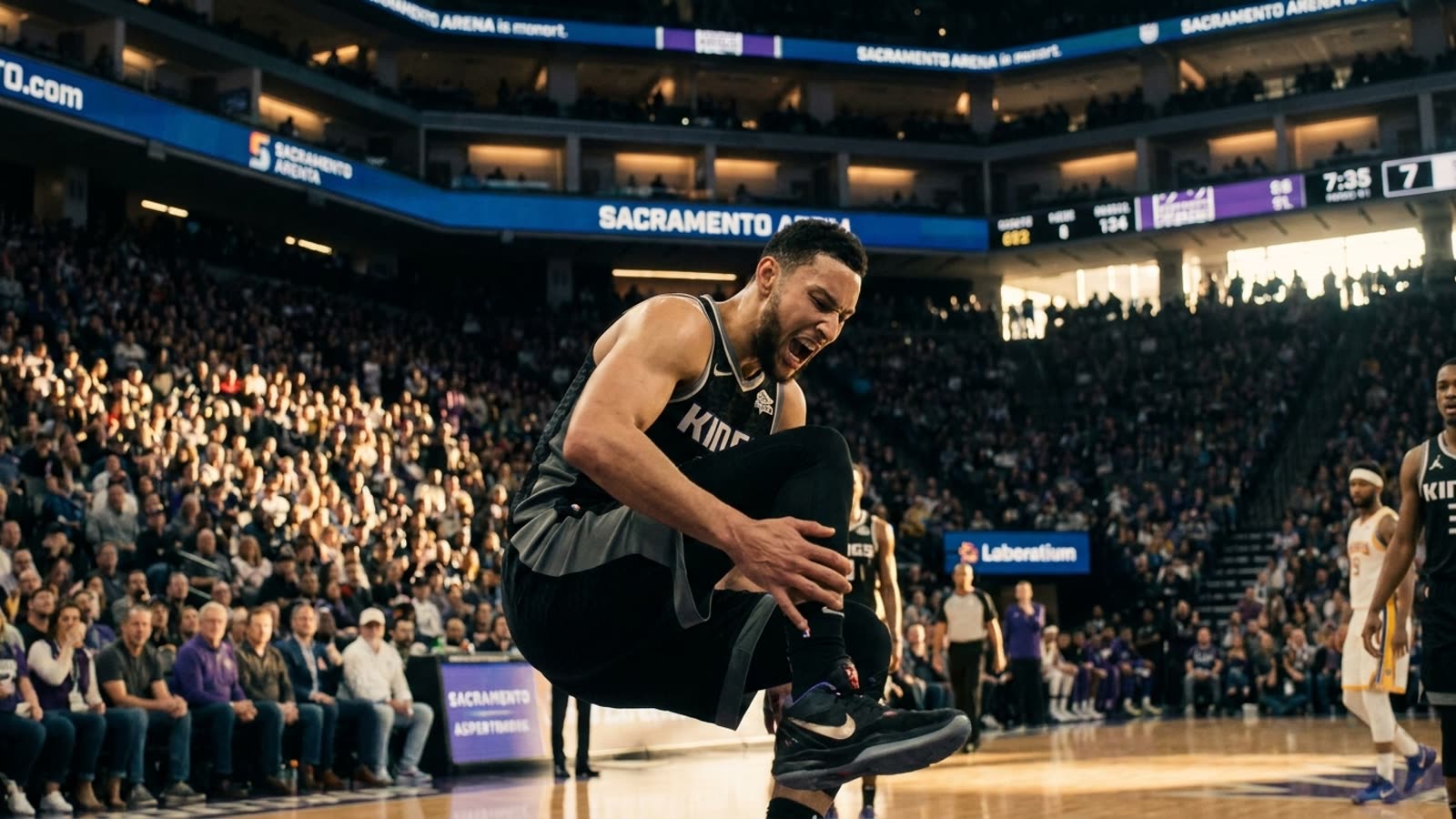
There is a particular kind of tragedy reserved for athletes whose bodies betray them just as their minds finally catch up. Ben Simmons, who tore his Achilles tendon in practice Sunday and will undergo season-ending surgery, has now experienced every variety of professional basketball misfortune: the mental block that wouldn't let him shoot, the back injury that stole years, the trades that felt like exiles, and now the catastrophic rupture that may end it all at thirty.
The Kings announced the news with clinical brevity, but the basketball world understood the weight immediately. Simmons had authored what teammates called an "impressive" training camp after signing with Sacramento on short notice, a final-chance audition with a franchise desperate enough to gamble and patient enough to wait. For a few weeks, it seemed the narrative might actually bend toward redemption.
The promise that haunted him
Simmons entered the league in 2016 as the consensus top pick, a six-foot-ten point guard with court vision that drew comparisons to Magic Johnson and a passing touch that made highlight reels look choreographed. He won Rookie of the Year, made three All-Star teams, and anchored Philadelphia's defense during their most promising stretch in decades. What he could not do—would not do, depending on whom you asked—was shoot the basketball with any confidence beyond arm's length.
The 2021 playoffs exposed this limitation with surgical cruelty. His infamous fourth-quarter pass-out against Atlanta, when a dunk was there for the taking, became the defining image of a player at war with himself. Philadelphia traded him to Brooklyn, where back problems consumed two seasons. Brooklyn traded him to Dallas, where he barely played. Dallas let him walk. Sacramento, rebuilding around De'Aaron Fox and Domantas Sabonis, offered a minimum deal and a fresh start.
What Sacramento loses
The Kings had envisioned Simmons as a defensive specialist and secondary playmaker, a role that would have minimized his shooting deficiencies while maximizing his still-elite court vision and perimeter defense. Head coach Mike Brown, who built Golden State's championship defense around versatility and switching, saw a player who could guard positions one through four and initiate offense in transition.
That vision evaporates entirely. Sacramento now enters the season with diminished depth at guard and no obvious replacement for the defensive versatility Simmons would have provided. The Western Conference, already a gauntlet, offers no mercy for roster shortages.
Our take
Achilles tears are no longer career-ending the way they once were—Kevin Durant proved that, and so have others—but Simmons is not Durant. He is a player whose game depended on explosion and agility, whose value derived from doing everything except the one thing basketball demands most. At thirty, with a surgically repaired Achilles and years of rust, the path back to NBA relevance is nearly vertical. The tragedy is not that Simmons failed to become what we imagined. It's that he may have finally been ready to become something else, and his body said no.