The missiles may be flying over the Persian Gulf, but the shrapnel is landing in Guangdong Province.
Asian manufacturers are now contending with a supply shock that has materialized faster than most analysts predicted. The combination of spiking energy costs, rerouted shipping lanes, and insurance premiums that have tripled for Gulf-adjacent routes is squeezing margins across the region's export-dependent economies. For companies that spent years diversifying away from China only to land in Vietnam, Thailand, and Indonesia, the lesson is brutal: geography still matters, and the Strait of Hormuz remains the world's most consequential chokepoint.
The energy arithmetic
Oil prices have climbed past $120 per barrel, but the downstream effects are more punishing than the headline figure suggests. Liquefied natural gas spot prices in Asia have surged even more dramatically, with South Korean and Japanese utilities now paying premiums that make last winter's European crisis look quaint. For aluminum smelters, semiconductor fabs, and chemical plants—all energy-intensive operations—the math is becoming untenable. Several Taiwanese chipmakers have reportedly begun rationing production runs, prioritizing high-margin AI chips over commodity components.
Shipping's new map
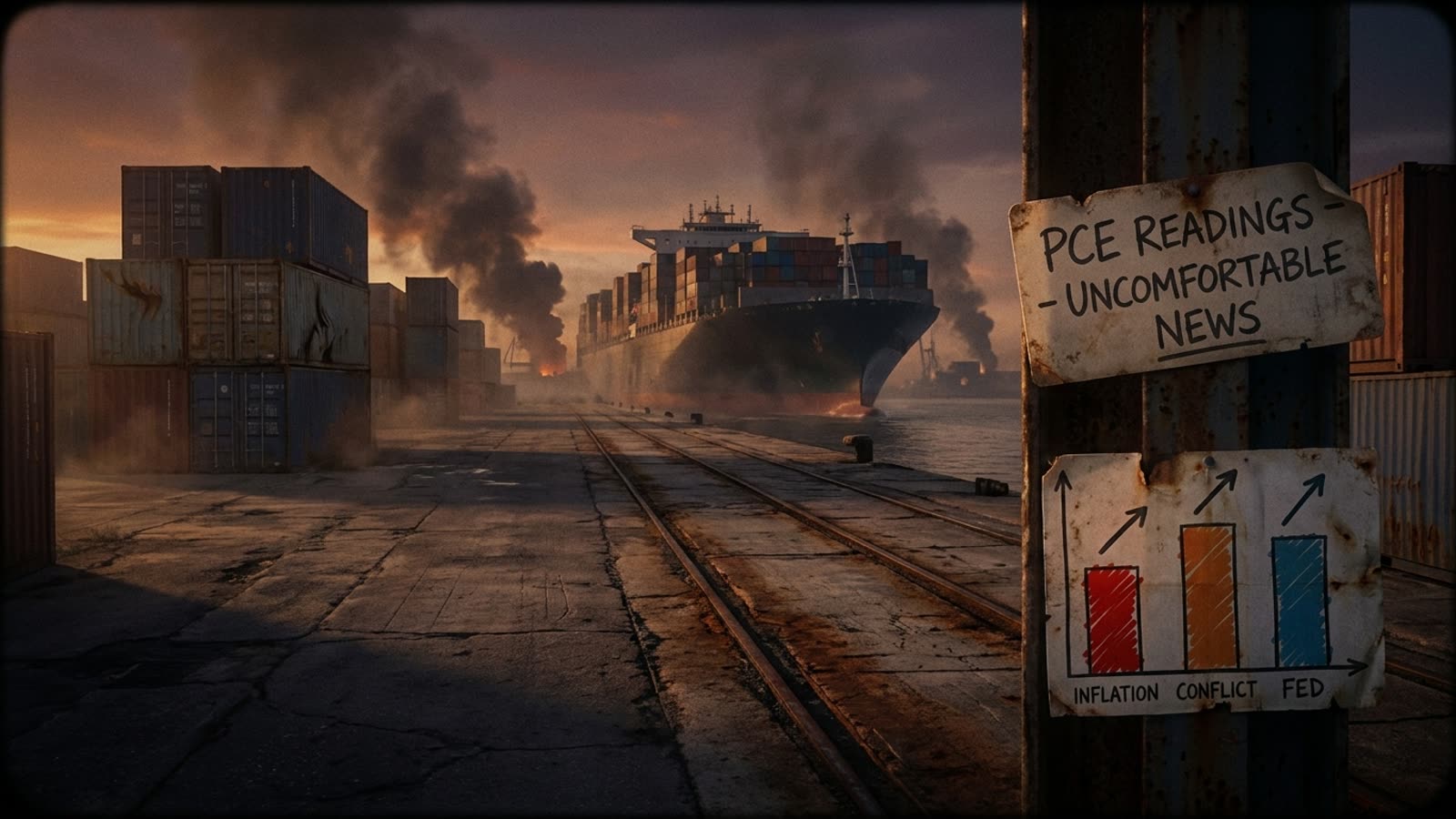
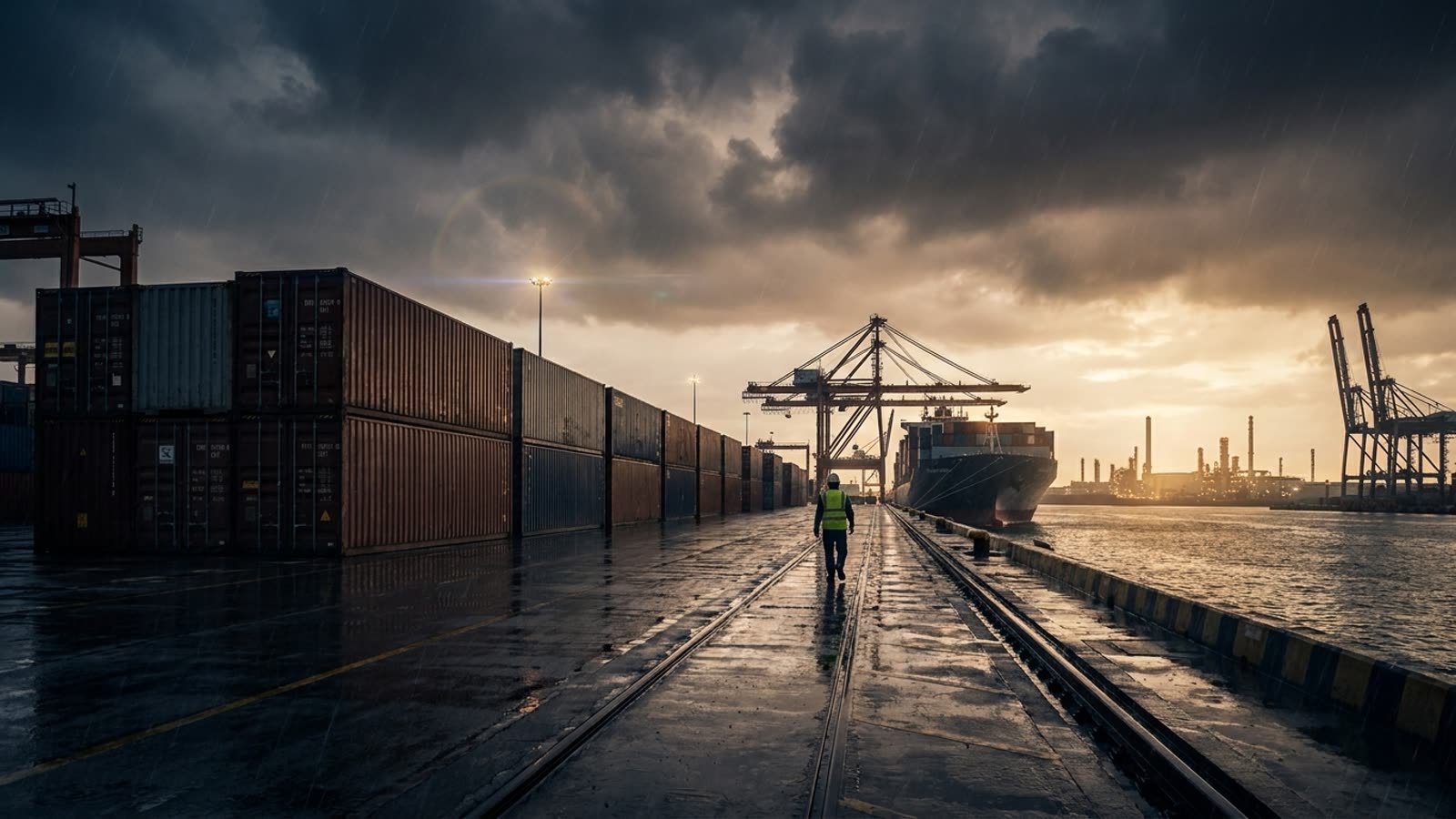
The Red Sea diversions that began in 2024 were a dress rehearsal. Now, with the Strait of Hormuz effectively a war zone, container lines are quoting transit times from Asia to Europe that add two to three weeks to pre-crisis schedules. The cost per container has more than doubled since April. For fast-fashion retailers and consumer electronics brands built on just-in-time inventory, this is an existential problem disguised as a logistics headache.
The China question
Beijing finds itself in an awkward position. Chinese factories are suffering alongside their regional competitors, yet China's diplomatic posture—carefully neutral, quietly sympathetic to Tehran—limits its ability to broker relief. Meanwhile, the yuan has weakened against the dollar as capital flows toward perceived safety, adding import costs atop energy inflation. The People's Bank of China has signaled it will intervene if necessary, but intervention has limits when the underlying shock is geopolitical rather than monetary.
Our take
Supply chain resilience was the buzzword of the post-Covid era, and companies spent billions chasing it. What they got instead was supply chain relocation—moving risk from one geography to another without actually reducing it. The Iran conflict is exposing the difference. The factories that will emerge strongest are those with energy flexibility, diversified shipping options, and the balance sheets to absorb short-term pain. Everyone else is about to learn what "resilience" actually costs.