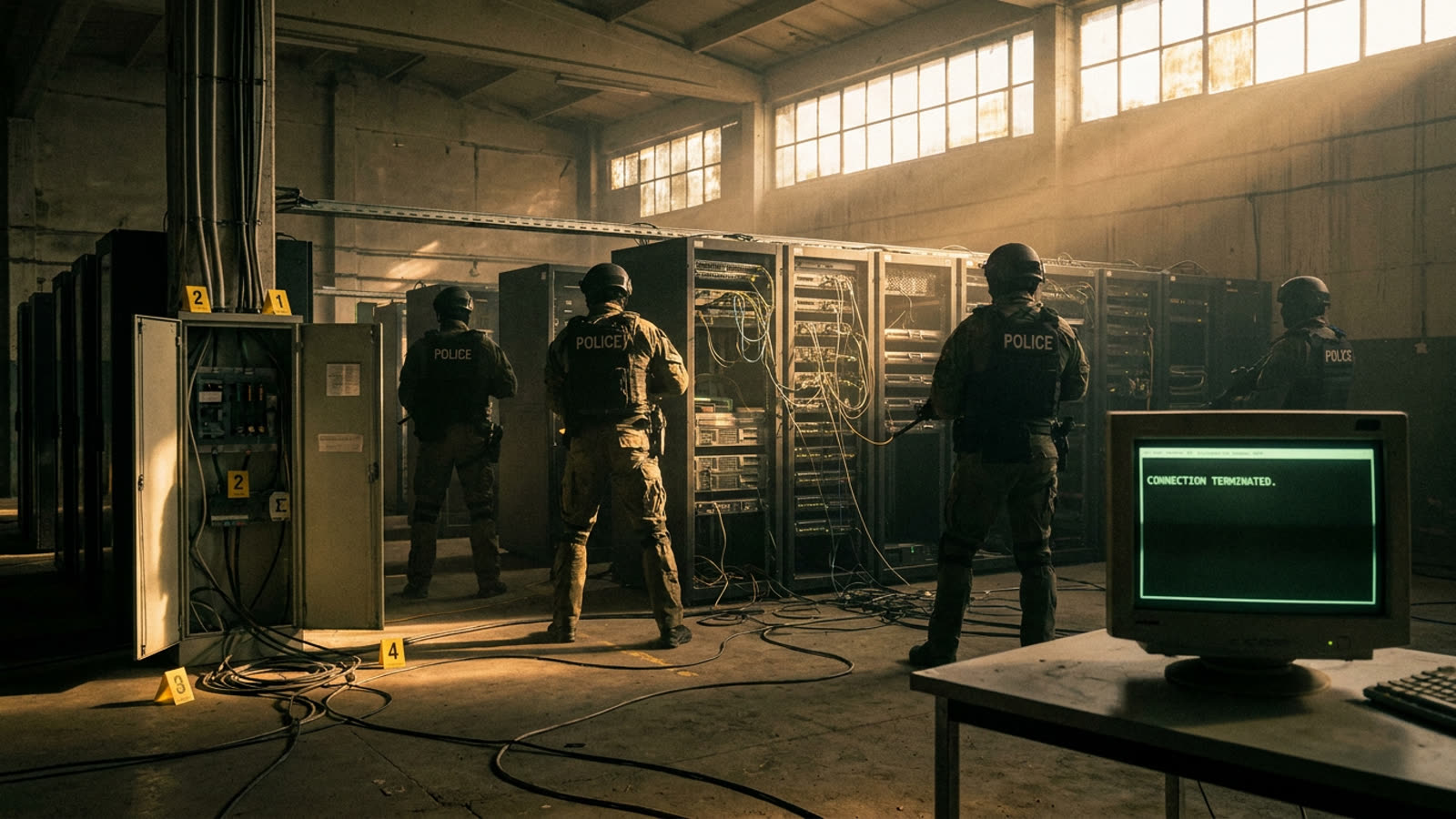
The quiet infrastructure of ransomware just got a little less quiet. Law enforcement agencies have shut down a VPN service that served as the operational backbone for more than two dozen ransomware gangs — a rare instance of authorities targeting the plumbing rather than the perpetrators.
The significance lies not in arrests, of which there appear to be few, but in disruption economics. Ransomware operations have industrialized over the past half-decade into something resembling legitimate enterprise: specialized roles, customer service desks, affiliate programs. What makes this possible is reliable, anonymous infrastructure. Take away the VPN that masks command-and-control traffic, and suddenly the business model requires rebuilding trust with new providers, migrating operations, and accepting heightened exposure during the transition.
The cost of doing criminal business
Ransomware payments globally remain in the billions annually, with the economic toll — including downtime, remediation, and insurance — running several multiples higher. Healthcare systems, municipal governments, and manufacturers have all learned that paying the ransom is often cheaper than the alternative, which is precisely why the gangs persist.
But infrastructure takedowns impose friction costs that payment refusals cannot. A hospital that refuses to pay simply loses; a gang that loses its VPN must spend time and capital finding alternatives, vetting new services, and accepting that any replacement might already be compromised. The operational tempo slows. Some affiliates defect. The economics shift, if only temporarily.
Why this matters beyond cybersecurity
The ransomware economy is now large enough to register in macroeconomic terms. Insurance premiums for cyber coverage have risen sharply, and some insurers have exited the market entirely. Small and mid-sized businesses — the backbone of employment in most developed economies — face existential risk from attacks that larger firms can absorb. Every successful takedown, however temporary its effects, reduces the expected return on ransomware investment and marginally improves the risk calculus for legitimate enterprise.
The broader lesson is that cybercrime has become a supply-chain problem. Gangs depend on bulletproof hosting, cryptocurrency mixers, initial-access brokers, and anonymizing VPNs. Disrupt any node, and the whole chain degrades. Law enforcement has been slow to adopt this thinking, preferring headline-grabbing arrests to patient infrastructure attrition. This operation suggests the strategy may be evolving.
Our take
No one should mistake this for victory. The gangs will migrate to new services, probably within weeks. But the point of attrition warfare is not to win battles — it is to make the enemy's business model progressively less attractive. If the expected cost of ransomware operations rises enough, marginal actors exit, and the ecosystem contracts. That is worth more than any single arrest, and it is finally the game law enforcement appears to be playing.