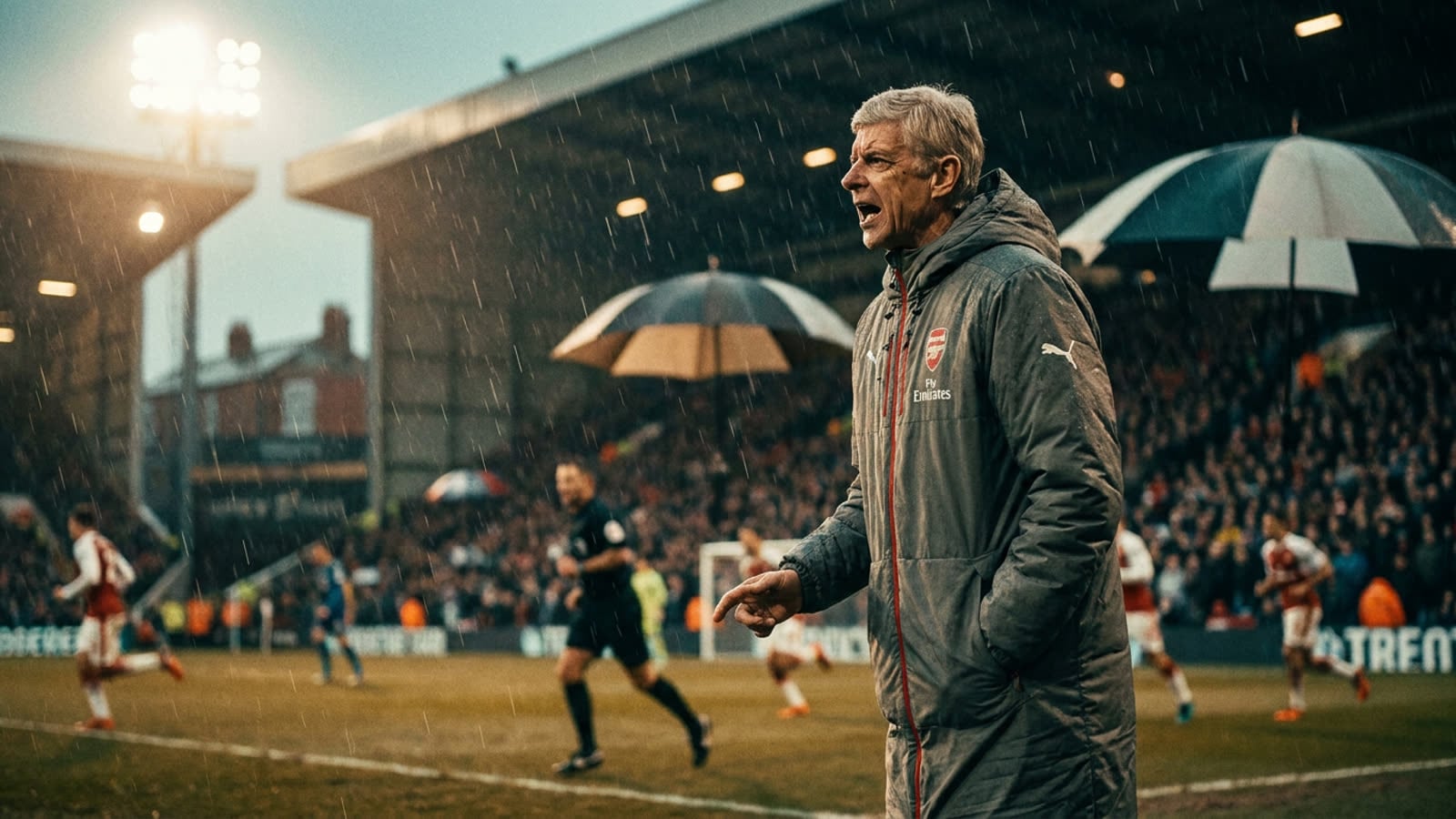
The achievement itself remains absurd: 38 Premier League matches, zero defeats, a golden trophy paraded through Highbury by players who had not tasted league loss in 357 days. Yet to fixate on the Invincibles is to mistake the symptom for the disease Arsène Wenger introduced to English football—a systemic infection of professionalism, dietary science, and continental tactical ideas that the host league could not resist and eventually absorbed entirely.
When Wenger arrived at Arsenal in 1996, the English top flight was a place where center-backs drank lager on the team bus and midfielders smoked in the tunnel. The Frenchman's first acts were almost comically mundane: he banned Mars bars, introduced broccoli, and insisted players stretch before training. Veterans like Tony Adams initially thought him mad. Within two years Adams was lifting the league title, sober and converted.
The scouting frontier
Wenger's quieter revolution was geographic. English clubs in the mid-1990s recruited almost exclusively from the British Isles and Scandinavia; the French, Spanish, and Italian leagues were treated as exotic and vaguely untrustworthy. Wenger ignored this parochialism entirely. He plucked Patrick Vieira from AC Milan's reserves, Thierry Henry from Juventus's bench, Robert Pirès from Marseille. None cost more than modest fees by today's standards, yet each became a Premier League icon. The message was unmistakable: talent was global, and the clubs willing to look beyond Dover would dominate.
Within a decade every Premier League side employed multilingual scouts and sports scientists. The transformation was so complete that Wenger's methods stopped being an advantage and became table stakes—one reason his later Arsenal teams struggled to compete with clubs that had adopted his playbook while outspending him.
Football as geometry
Tactically, Wenger insisted football was a matter of angles and space rather than combat. His best Arsenal sides played a 4-4-2 that, in possession, morphed into something closer to a 2-3-5, with full-backs pushing high and central midfielders dropping deep to create numerical superiority. The Invincibles did not overpower opponents; they passed around them, finding Henry in pockets of grass that defenders had not realized they were leaving.
This was not tiki-taka—Arsenal's transitions were far too direct for that—but it was recognizably modern positional play, years before Pep Guardiola brought the Barcelona model to England. Wenger never won the Champions League, a failure that still stings his admirers, yet his fingerprints are visible on every possession-based side that followed.
Our take
Wenger's unbeaten season is the line everyone remembers, but it functions almost as a distraction from his deeper contribution. He did not merely win; he professionalized an entire league, opened its borders, and demonstrated that football could be coached as rigorously as any other athletic discipline. The Premier League's current status as the world's richest and most cosmopolitan competition owes more to that bespectacled Frenchman and his broccoli than anyone cares to admit.