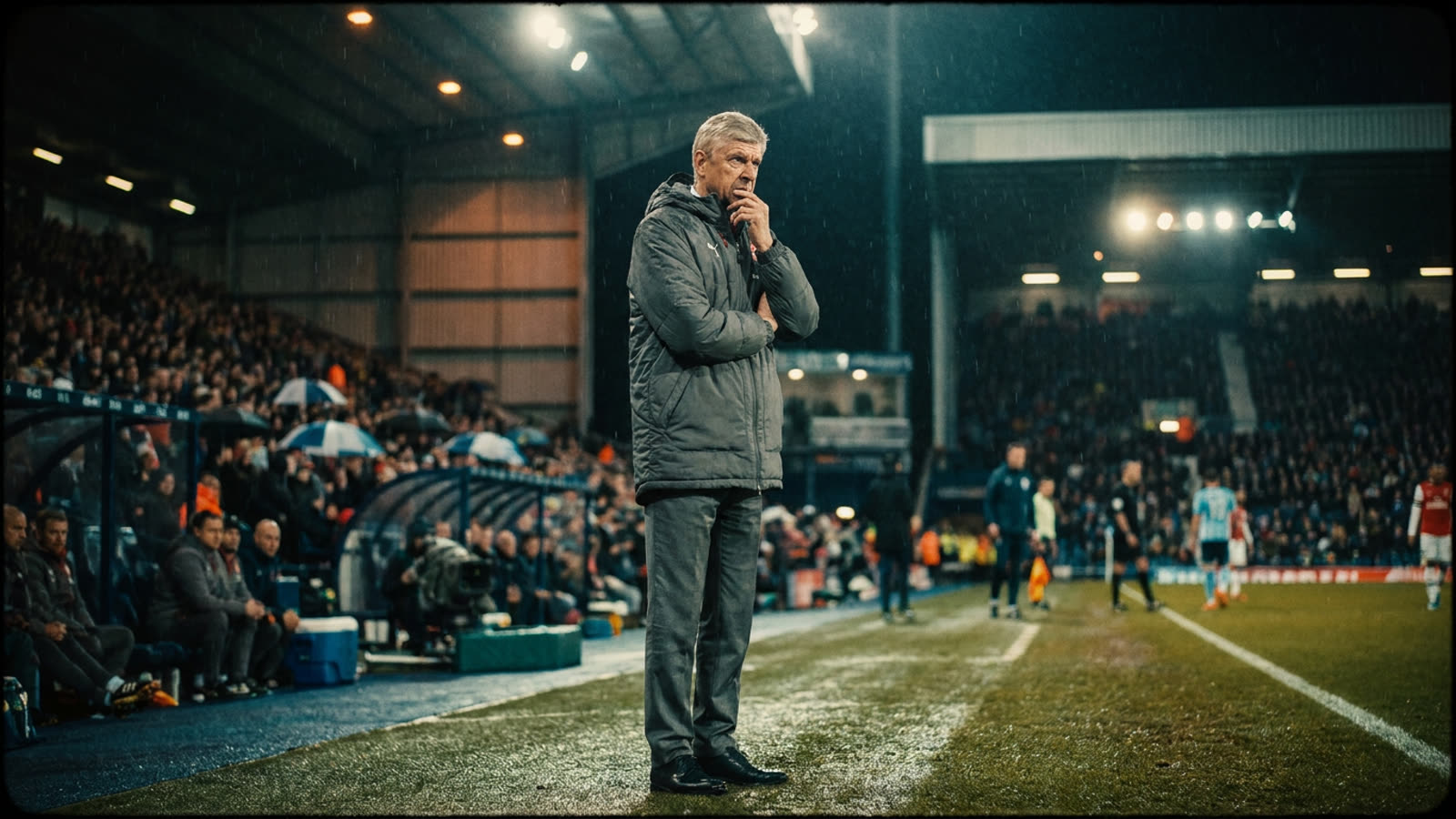
When Arsène Wenger arrived at Highbury in September 1996, the English football establishment greeted him with a mixture of bemusement and condescension. "Arsène who?" ran the famous headline. Within two years, the bespectacled professor from Strasbourg had won the Double. Within eight, he had produced a team that went an entire league season unbeaten — a feat not accomplished in English top-flight football since Preston North End managed it in 1889, across a mere 22 games rather than 38.
The Invincibles season of 2003-04 remains the signature achievement, but focusing solely on that campaign misses the deeper revolution. Wenger's transformation of Arsenal was methodological before it was tactical. He changed what players ate, how they trained, when they slept, and how long they could expect their careers to last. Tony Adams, the granite-faced English defender who had captained Arsenal through the George Graham era of 1-0 wins and back-post headers, extended his playing days by half a decade under Wenger's scientific regime. Adams was not alone; the manager's insistence on nutrition, stretching protocols, and measured training loads created a template that every Premier League club now follows as orthodoxy.
The tactical fingerprint
Wenger's Arsenal played a style that now seems almost quaint in its purity: patient build-up from the back, intricate passing triangles in midfield, and devastating speed on the counter. The 4-4-2 formation he inherited was gradually reshaped into something more fluid, with Dennis Bergkamp dropping deep to orchestrate and Thierry Henry drifting wide before cutting inside onto his favoured right foot. The movement was choreographed but never mechanical; Wenger trusted intelligent players to find solutions within a framework rather than executing rigid patterns.
This philosophy demanded a particular type of footballer. Wenger's transfer market eye became legendary — Patrick Vieira from AC Milan's reserves, Henry from a struggling spell at Juventus, Robert Pirès from Marseille — but his genius lay less in spotting raw talent than in identifying players whose technical gifts had been undervalued by more physical football cultures. He built teams of artists and then convinced them to defend.
The Emirates paradox
The move to the Emirates Stadium in 2006 marked the beginning of Wenger's long, frustrating coda. Financial constraints imposed by the new ground's construction costs meant selling key players and replacing them with promising but unproven youngsters. The football remained beautiful; the trophies stopped coming. For nine seasons, Arsenal won nothing, and Wenger's stubbornness — his refusal to abandon his principles for a more pragmatic approach — drew increasing criticism from supporters who had once worshipped him.
Yet even in those barren years, Wenger's influence continued to spread. Pep Guardiola's Barcelona, the most dominant club side of the era, played football that owed an obvious debt to Wenger's Arsenal. The pressing game that Jürgen Klopp later brought to Liverpool built upon foundations that Wenger had helped lay: the idea that technical players could also work ferociously without the ball, that possession and intensity were complements rather than opposites.
Our take
Wenger's legacy is paradoxical: he won fewer trophies than his talent deserved, yet his influence exceeds that of managers with fuller cabinets. The Premier League he entered was a place where foreign players were viewed with suspicion and vegetables were considered exotic. The one he left had become the world's most cosmopolitan, tactically sophisticated, and physically demanding competition. He did not accomplish that transformation alone, but he was its most important architect. The professor taught a nation to think differently about football, and the lesson stuck.