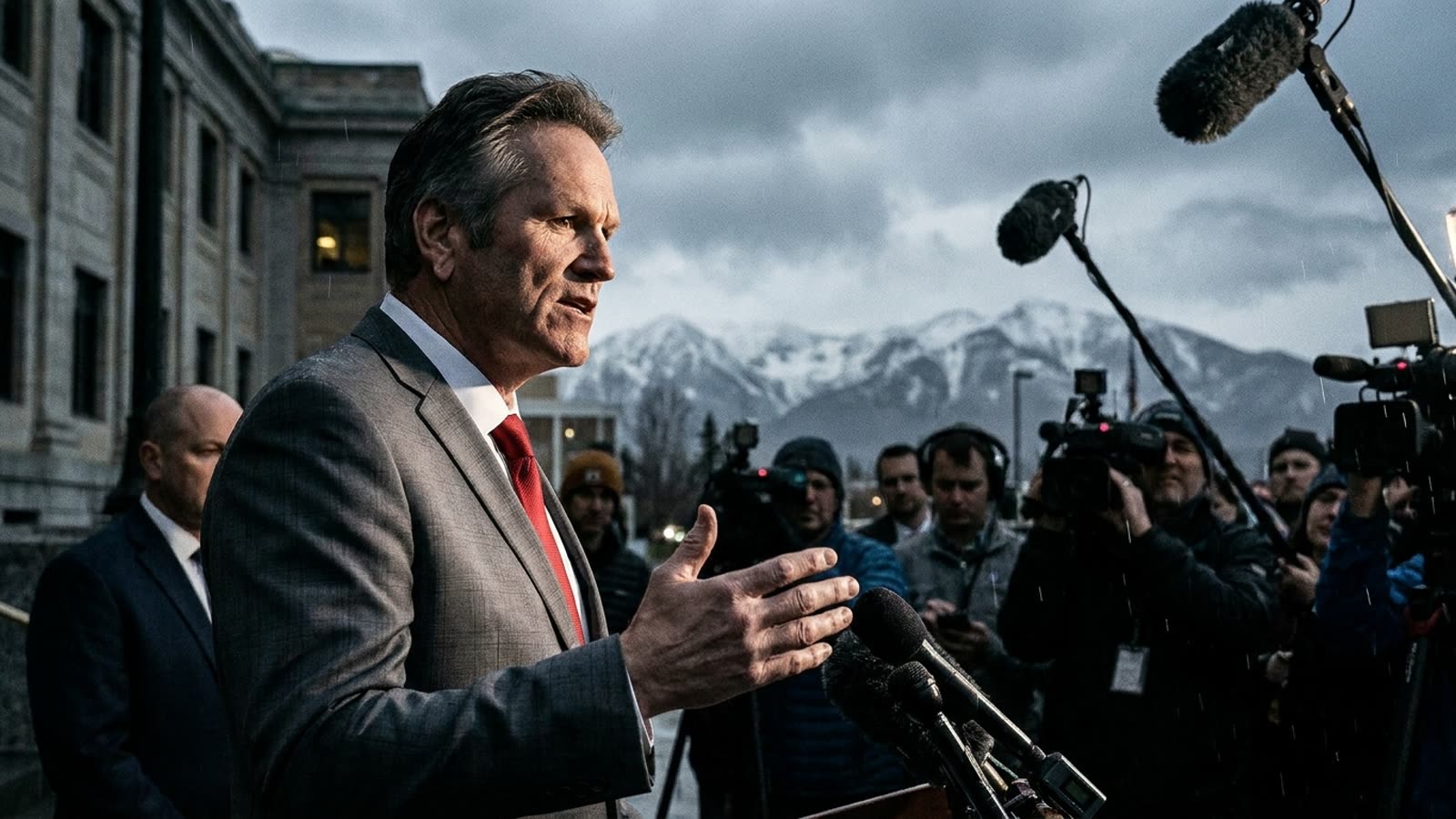
The machinery of state power can move with remarkable speed when a president is angry. Within hours of Donald Trump publicly excoriating Representative Mary Peltola over a New York Times report that her campaign and national Democrats helped recruit spoiler candidates in Alaska's ranked-choice elections, the state's Republican governor announced a criminal investigation into the matter. What remains conspicuously absent from the announcement is any articulation of what crime, precisely, may have been committed.
Recruiting candidates to split an opponent's coalition is as old as democracy itself. It is distasteful, often cynical, and occasionally effective—but it is not, under any conventional reading of federal or Alaska state law, illegal. Encouraging someone to run for office, even with strategic intent, does not meet the elements of fraud, bribery, or election interference as codified in statute. The governor's office has offered no explanation of the legal theory underpinning the probe.
The Peltola Problem
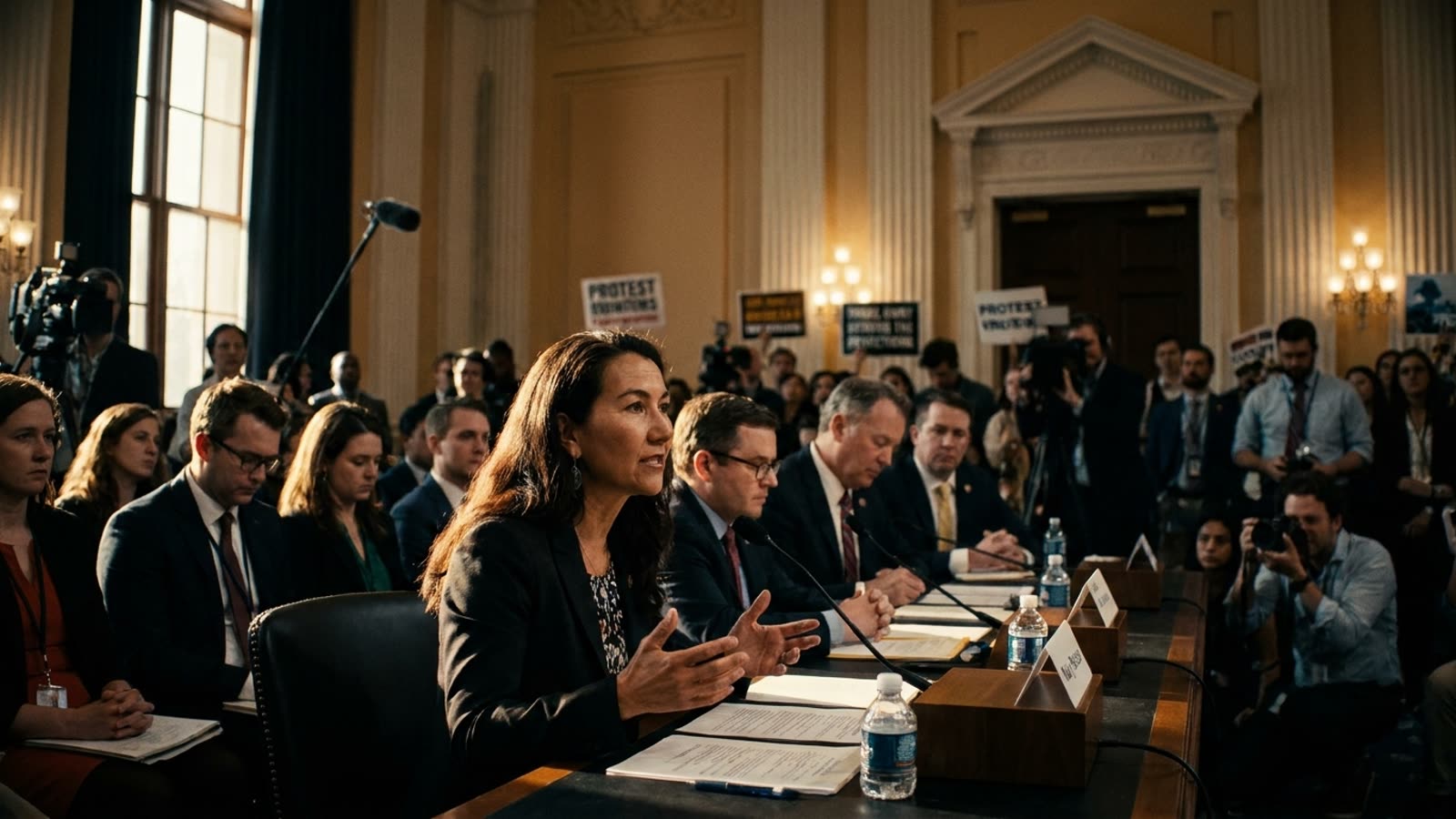
Peltola has been a persistent irritant to Republicans since her 2022 special-election upset, when she became the first Alaska Native to serve in Congress and the first Democrat to hold the state's sole House seat in nearly five decades. Her survival in a red-leaning state has depended on crossover appeal and, critics allege, on a ranked-choice system that Republicans have tried repeatedly to repeal. The Times report suggested her team actively sought to place candidates on the ballot who might siphon votes from her GOP opponents in early rounds, improving her odds of prevailing in the final tally.
Whether this constitutes sharp politics or something darker depends largely on one's priors. But the legal system is supposed to operate on statutes, not vibes.
Weaponization or Accountability?
The investigation arrives amid a broader pattern of the Trump administration using federal and state law-enforcement apparatus against political adversaries. The president has made no secret of his desire to punish those he views as disloyal or obstructive. Alaska's governor, who owes his political fortunes in part to alignment with Trump, appears eager to demonstrate fealty.
Democrats have already framed the probe as election interference in reverse—an attempt to chill legitimate campaign strategy and intimidate a sitting congresswoman weeks before the midterms. Republicans counter that any coordination to manipulate ballot access deserves scrutiny. The absence of a cited statute makes the latter argument difficult to sustain in court, whatever its rhetorical appeal.
Our take
Ordering a criminal investigation without identifying a crime is not law enforcement; it is theater. Alaska's governor may satisfy the president's appetite for retribution, but he has also handed Peltola a potent campaign narrative: that the state's machinery is being weaponized against her for the sin of winning. If Republicans want to defeat her, they might try the old-fashioned method—fielding a candidate who can actually earn more votes.