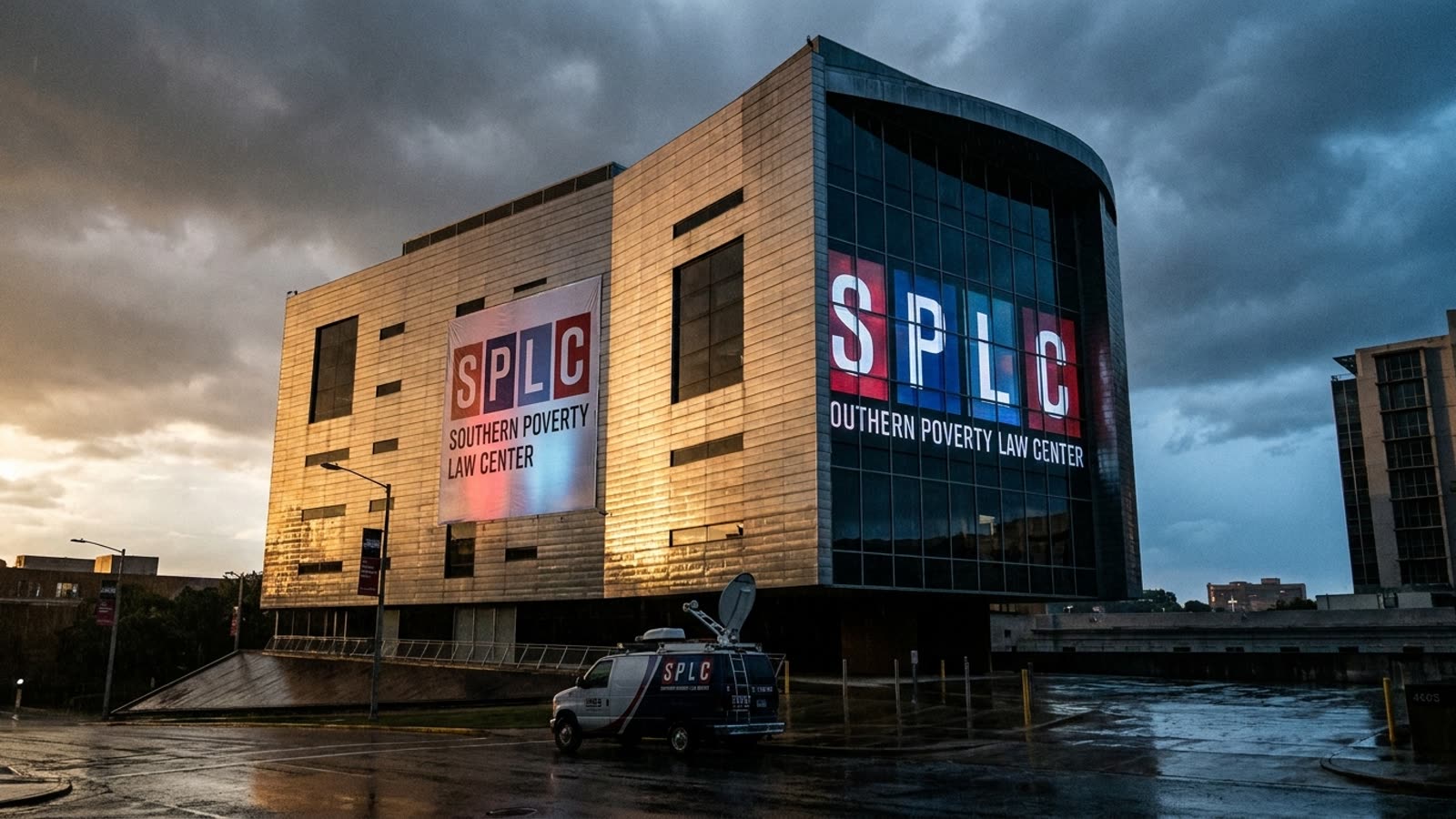
The Southern Poverty Law Center has spent decades tracking hate groups, compiling dossiers, and occasionally deploying informants to infiltrate extremist organizations. Now the Justice Department has reportedly turned that methodology against the SPLC itself—using one of the group's own informants as a weapon in what appears to be an escalating federal campaign against civil rights organizations.
Lawyers for the SPLC allege that federal prosecutors identified an informant who had worked with the organization, then leveraged his financial difficulties and potential criminal exposure to persuade him to cooperate with the government. The informant, whose identity remains protected, allegedly began providing information about the SPLC's internal operations, funding sources, and investigative methods.
The mechanics of a flip
The alleged approach follows a textbook intelligence playbook: identify a vulnerable asset, apply pressure through legal exposure or financial distress, and offer a path forward contingent on cooperation. What makes this case extraordinary is the target. The SPLC is not a criminal enterprise or foreign adversary—it is a nonprofit legal advocacy organization that has won landmark civil rights cases and maintains the most comprehensive database of domestic extremist groups in the United States.
The Justice Department has not commented on the specifics, but the timing aligns with a broader pattern of federal scrutiny toward organizations that monitor right-wing extremism. Since taking office, the Trump administration has moved to defund diversity programs, reclassify certain advocacy groups, and redirect counterterrorism resources away from domestic white supremacist threats.
A chilling precedent
Civil liberties attorneys warn that the tactic, if validated, could fundamentally alter how advocacy organizations operate. Informants are essential to monitoring extremist movements—the SPLC's intelligence work has helped law enforcement disrupt violent plots and has provided critical evidence in hate crime prosecutions. If informants fear they could be turned against the very organizations they assist, the pipeline of information dries up.
"This isn't about one informant," said a former federal prosecutor who spoke on condition of anonymity. "It's about sending a message to every civil rights organization in America: your sources are not safe, your methods are not protected, and your work can be used against you."
The SPLC has faced criticism from both left and right in recent years—accused by some of overreach in its hate group designations and by others of insufficient rigor. But those debates, however legitimate, are distinct from the question of whether the federal government should be deploying counterintelligence tactics against domestic nonprofits.
Our take
There is a word for when a government uses its prosecutorial power to neutralize organizations that monitor political extremism, and that word is not "justice." The SPLC is imperfect, as all institutions are. But the principle at stake here transcends any single organization: in a functioning democracy, the state does not get to flip your sources because it dislikes your findings. If this tactic stands, the chilling effect will extend far beyond the SPLC's Montgomery headquarters—every watchdog, every whistleblower network, every investigative nonprofit will understand that cooperation with civil society carries a new and dangerous risk. That is not law enforcement. That is suppression wearing a badge.