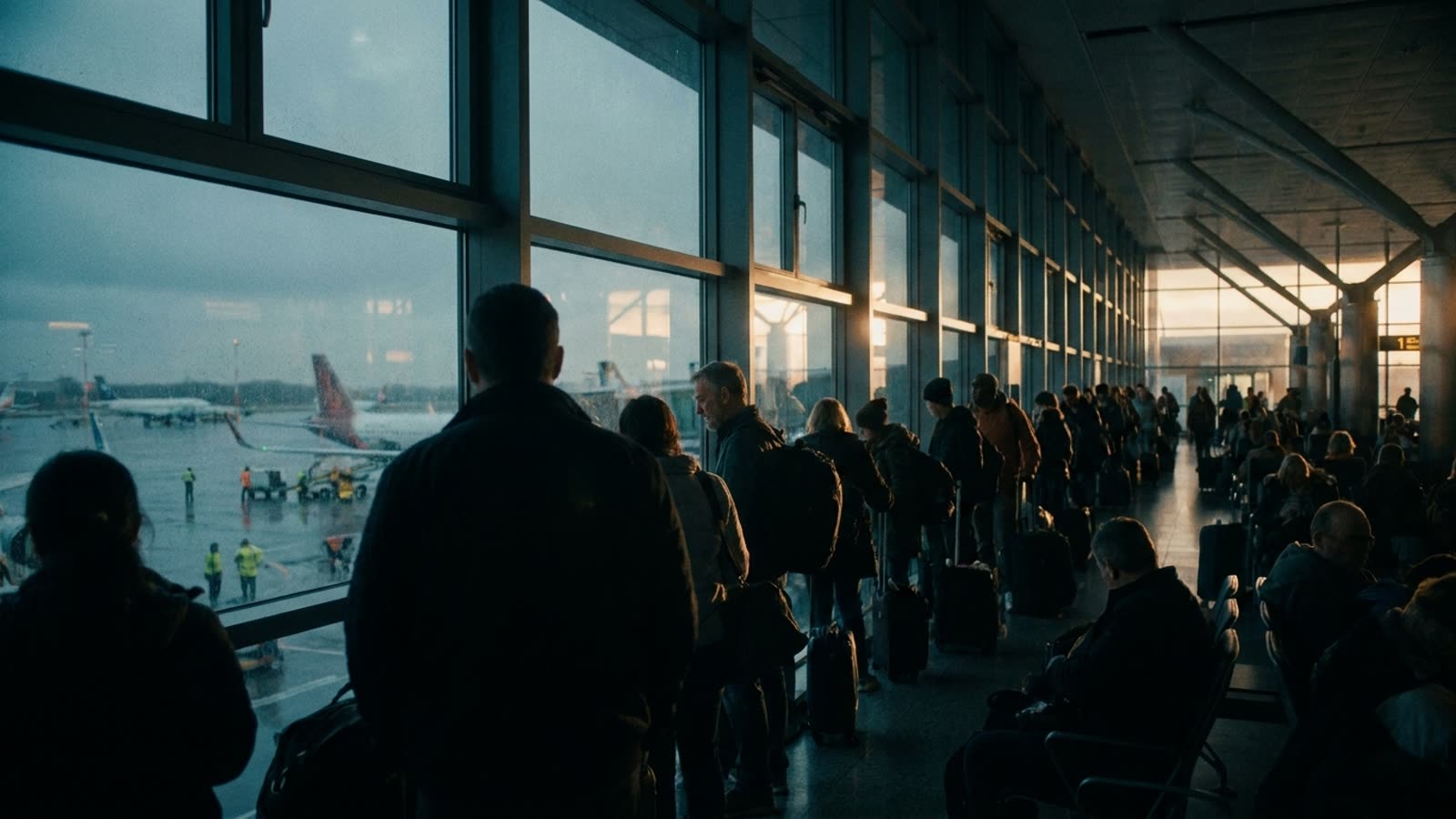
The hope that ticket prices would retreat once the geopolitical dust settled was always more passenger fantasy than airline reality. Now the industry is making it explicit: the fare increases triggered by the Iran-driven oil shock are not coming back down, conflict resolution or not.
Airlines have spent decades conditioning travelers to expect cyclical pricing—fuel spikes, then fare hikes, then a gradual return to normal as crude stabilizes. That playbook is being quietly retired. Carriers on both sides of the Atlantic are telling investors and analysts that the current pricing environment represents a structural reset, not a temporary surcharge.
The math that doesn't reverse
Jet fuel accounts for roughly a quarter of airline operating costs, and crude's sustained run above $110 per barrel has forced carriers to reprice their entire networks. But the fare increases have outpaced the fuel math. Labor contracts negotiated during the post-pandemic pilot shortage locked in wage gains that compound annually. Airport fees have climbed as infrastructure ages. And the fleet renewal cycle—accelerated by sustainability mandates—means carriers are financing expensive new aircraft at interest rates their CFOs hadn't seen since the early 2000s.
When fuel eventually retreats, airlines argue, these other costs will remain. The industry's collective capacity discipline, learned painfully through bankruptcy cycles, means carriers have little incentive to chase market share by cutting fares. They would rather fly fewer seats at higher yields than restart the race to the bottom.
The consumer squeeze
For travelers, the implications are uncomfortable. Domestic U.S. fares are running roughly 18% above pre-conflict levels, and transatlantic routes have seen even steeper increases on premium cabins. Budget carriers, once the pressure valve that kept legacy airlines honest, have themselves raised prices and added fees, narrowing the gap that gave price-sensitive flyers an escape hatch.
The timing is particularly painful for the middle class. Wage growth has cooled, savings buffers built during the pandemic have largely depleted, and discretionary travel is increasingly becoming a luxury purchase rather than a routine expense. Airlines are betting that enough travelers will pay the new prices to maintain profitability—and early evidence suggests they are right. Load factors remain strong, and the carriers that have raised fares most aggressively have seen the healthiest margins.
Our take
Airlines are telling the truth, which is itself noteworthy for an industry that spent decades promising things it couldn't deliver. The era of cheap flights subsidized by razor-thin margins and periodic bankruptcies is probably over. What replaces it is an industry that functions more like European rail—reliable, reasonably profitable, and priced for the upper half of the income distribution. The democratization of air travel was a remarkable 20th-century achievement. Its partial reversal may be the 21st century's quiet correction.