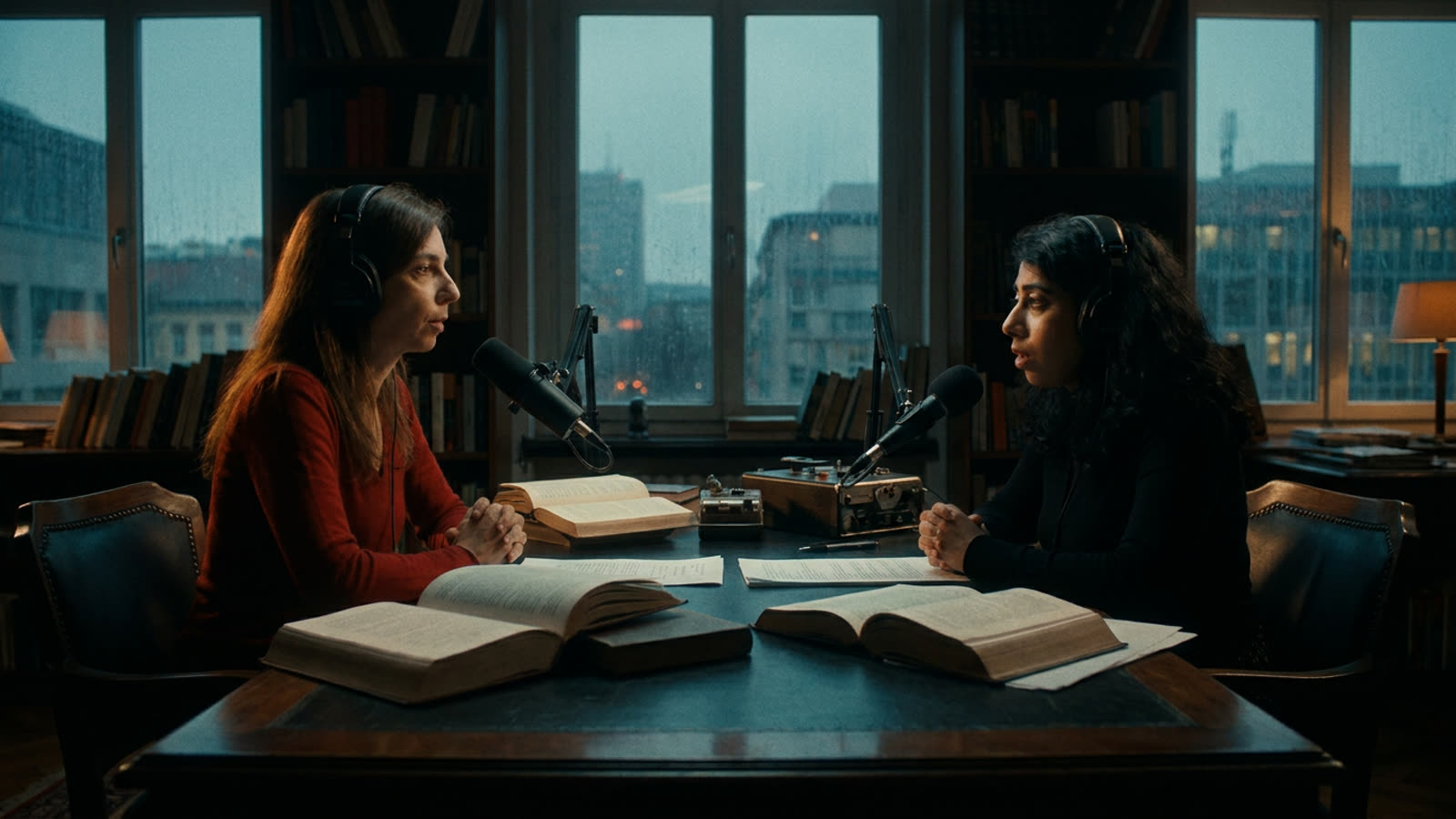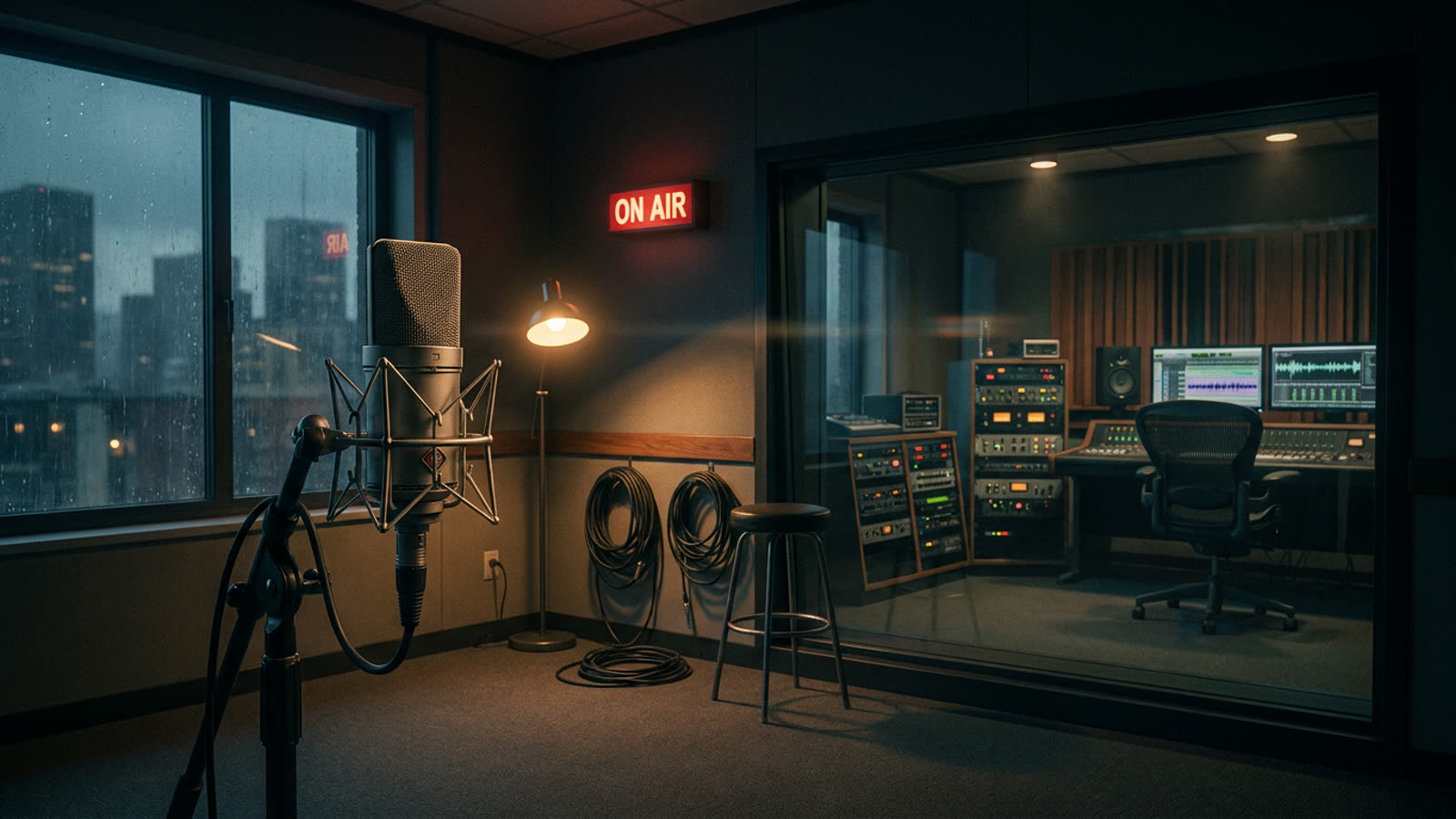
The voice actor's booth has always been a peculiar workplace: a padded room where professionals spend hours talking to themselves. Now, increasingly, the room sits empty while the work gets done anyway.
Artificial intelligence has infiltrated voice acting not with a bang but with a spreadsheet. The technology rarely matches the emotional range of a seasoned performer, yet it has achieved something more commercially decisive: it has made human voices optional for a growing category of content. E-learning modules, corporate training videos, podcast advertisements, and mobile game dialogue—the unglamorous middle of the industry—are migrating to synthetic alternatives at a pace that few outside the profession have noticed.
The economics of displacement
Voice acting has always operated on a tiered system. At the top sit the celebrities lending their pipes to animated films and prestige video games, commanding fees that reflect their star power. Below them work the journeymen: the thousands of professionals who narrate audiobooks, voice GPS directions, populate background characters, and give life to the endless content that modern media demands. This middle tier is where AI strikes hardest.
A human narrator might charge several hundred dollars per finished hour of audiobook content, plus residuals. A synthetic voice costs a fraction of that, requires no scheduling, and never asks for a bathroom break. For publishers churning out backlist titles or self-published authors working on tight margins, the calculation has become brutally simple. The quality gap persists—listeners can usually tell—but for many use cases, "good enough" has proven good enough.
The adaptation strategies
The profession's response has been uneven. Some performers have licensed their voices to AI companies, essentially renting out their vocal identity for a one-time fee or ongoing royalty. Others have refused categorically, viewing such deals as training their replacements. Unions have begun negotiating AI provisions into contracts, attempting to establish consent requirements and compensation frameworks before the technology becomes too entrenched to regulate.
Meanwhile, the smartest performers are pivoting toward what machines cannot yet replicate: emotional complexity, improvisational collaboration with directors, and the ineffable quality of a voice that sounds like it belongs to someone who has actually lived. The premium end of the market—animation leads, AAA video games, prestige audiobooks—remains robustly human, at least for now. The question is whether that premium tier can absorb all the talent being squeezed out of the middle.
The listener's bargain
Consumers, for their part, have shown limited appetite for paying extra to ensure human voices. When given the choice between a cheaper AI-narrated audiobook and a pricier human-read version, many opt for savings. This is not callousness but economics: the average listener processes dozens of hours of audio content monthly, and the marginal quality difference rarely justifies the marginal cost. The market, as markets do, is revealing preferences that performers would rather not acknowledge.
Our take
Voice acting is experiencing what happened to session musicians when synthesizers arrived, to illustrators when stock photography proliferated, to translators when machine translation matured. The profession will not vanish—it will stratify. A smaller cohort of elite performers will command higher fees for work that demands genuine artistry, while the vast middle market becomes increasingly automated. This is neither tragedy nor progress; it is simply what happens when technology makes human labor optional for tasks that turn out to be more mechanical than we assumed. The microphone remains on. The question is who—or what—will be speaking into it.