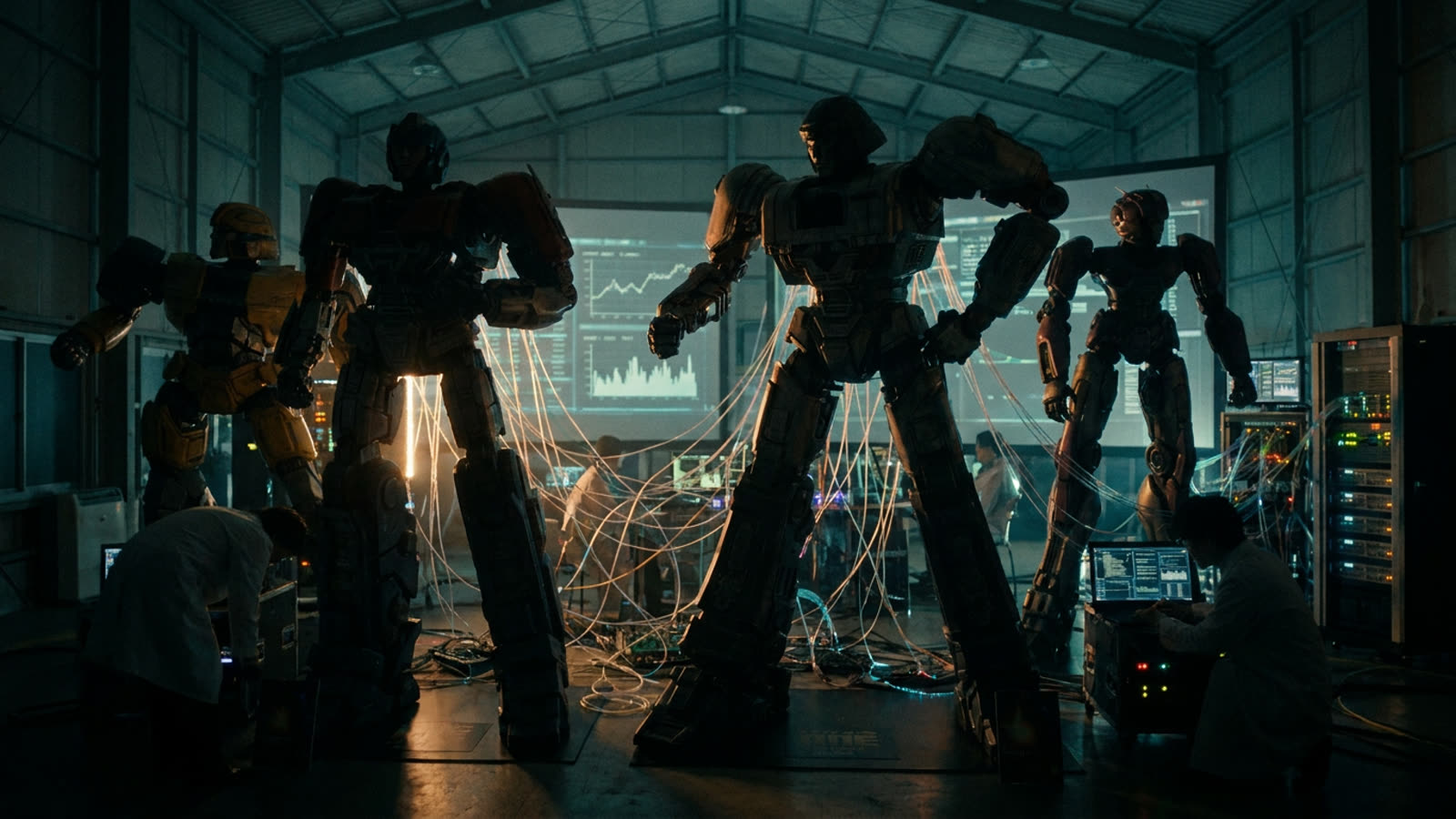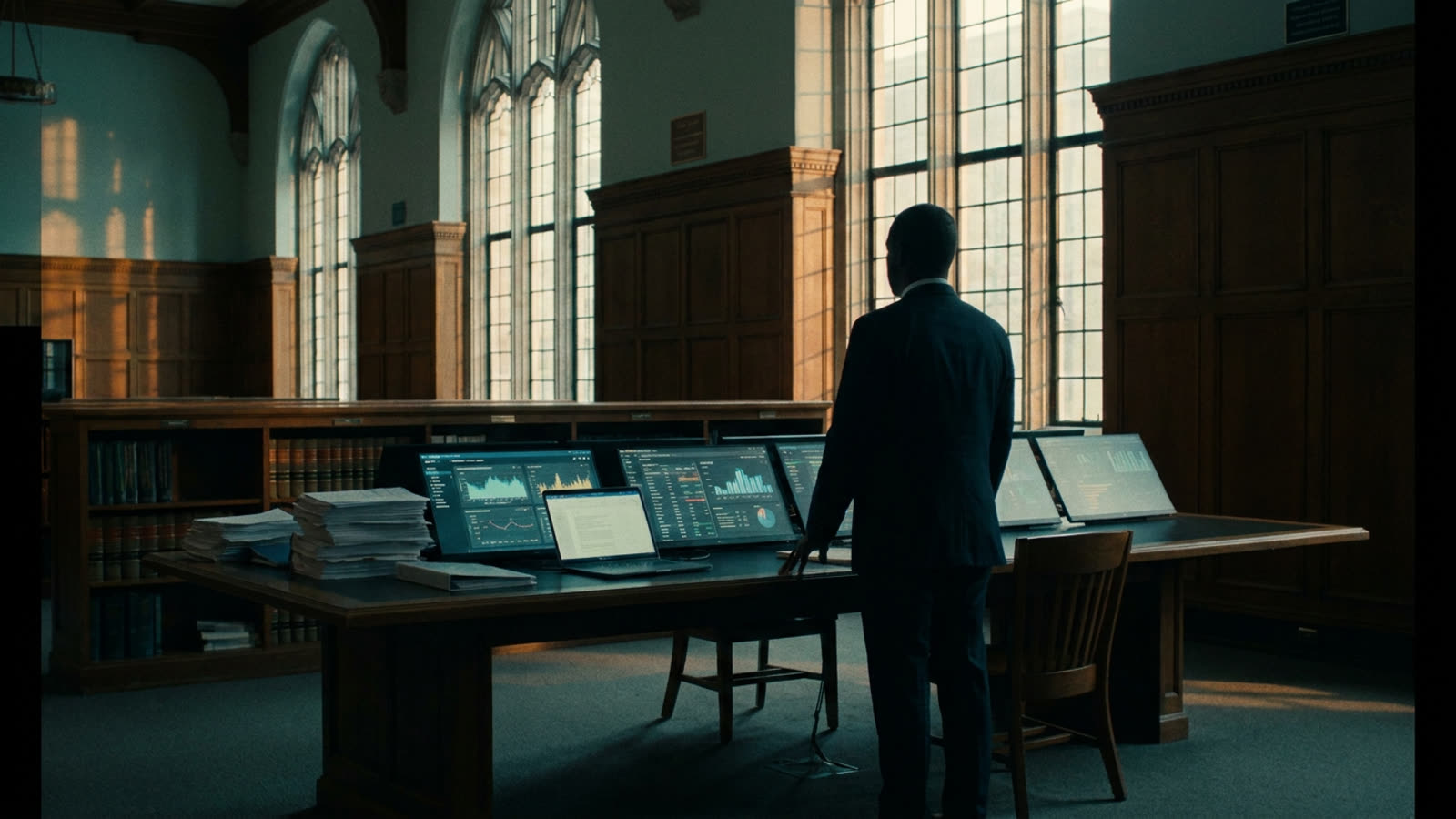
The paralegal profession was built on a simple bargain: junior staff would spend years in the trenches of document review, contract analysis, and case research, learning the law through sheer repetition before ascending to more substantive work. That bargain is dissolving. Large language models can now accomplish in minutes what once required days of billable hours, and the implications extend far beyond efficiency gains.
The transformation is not hypothetical. Major law firms have deployed AI systems for due diligence, contract extraction, and litigation support. Associates who once supervised teams of paralegals combing through discovery documents now supervise the AI doing the combing. The paralegal's role has shifted from executor to auditor — less about finding the needle in the haystack and more about confirming the machine found the right needle.
The apprenticeship problem
Law has always been learned by doing. The paralegal who spent three years reviewing merger documents developed an intuition for red flags that no textbook could teach. That intuition emerged from pattern recognition across thousands of contracts, each one slightly different, each one adding to a mental database of what normal looked like.
AI disrupts this learning curve by compressing it. A junior paralegal today might review AI-flagged anomalies rather than reading documents end-to-end. The efficiency is undeniable. The question is whether reviewing exceptions builds the same expertise as reviewing everything. Early evidence suggests it does not — at least not in the same way. Professionals who learned under AI assistance report confidence in narrow tasks but uncertainty when facing novel situations outside their training data.
The value migration
The most sophisticated legal AI still makes mistakes that an experienced human would catch. It hallucinates citations. It misreads context. It applies the wrong jurisdiction's standards. This is where the modern paralegal's value increasingly lies: not in the initial analysis, but in the verification layer.
The economics follow accordingly. Firms that once billed for volume now bill for judgment. The paralegal who can efficiently validate AI output while catching its characteristic errors commands a premium. The one who can only do what the machine does faster faces a narrowing market. This bifurcation is creating two distinct career paths where one existed before.
The institutional lag
Law schools and paralegal certification programs have been slow to adapt. Curricula still emphasize traditional research methods that students will rarely perform manually in practice. The disconnect between training and reality grows wider each year. Some forward-thinking programs have introduced AI literacy requirements, but these often treat the technology as a tool to be learned rather than a force reshaping the profession's fundamental structure.
The firms themselves are not waiting for academia. In-house training programs increasingly focus on AI oversight skills, error pattern recognition, and the judgment calls that machines cannot reliably make. The profession is being remade in practice while its formal credentialing lags behind.
Our take
The paralegal profession is not dying — it is metamorphosing. The new role demands different skills: less stamina for repetitive review, more discernment about when to trust algorithmic output and when to dig deeper. This is arguably more intellectually demanding work, but it requires a foundation that fewer entry-level positions now provide. The profession's challenge is not automation itself but the disappearance of the developmental runway that once produced seasoned practitioners. Solving that problem will require imagination from firms, schools, and the paralegals themselves. The machines are not going to wait.