For more than three centuries, insurance underwriting has been an exercise in educated guesswork. A human being reviews an application, consults mortality tables and loss histories, applies professional judgment honed over years of experience, and decides whether to accept a risk and at what price. The fundamental job description has remained remarkably stable since Lloyd's Coffee House began insuring ships in the 1680s.
That stability is ending. Across property, casualty, life, and specialty lines, insurers are deploying machine learning systems that augment or replace traditional underwriting workflows. The shift is not hypothetical or confined to pilot programs; it is happening now, at scale, and it is redefining what it means to be an underwriter.
The new underwriting workflow
In a traditional commercial property submission, an underwriter might spend hours reviewing a broker's submission package: financial statements, loss runs, building specifications, occupancy details. The underwriter's value lies in synthesizing this information, identifying red flags, and pricing risk appropriately.
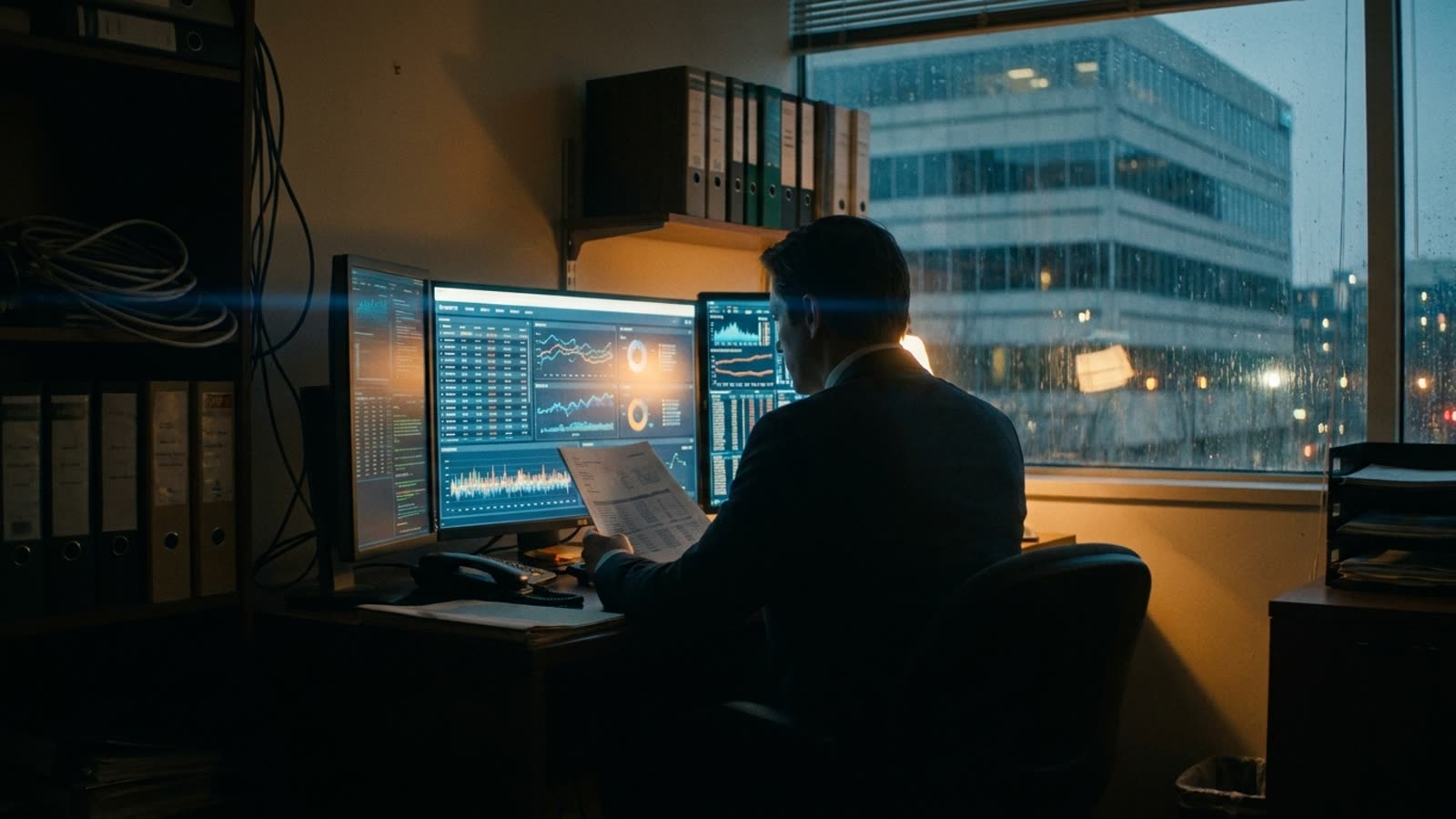
Modern AI-assisted workflows compress this process dramatically. Machine learning models ingest the submission, cross-reference it against external data sources—satellite imagery, building permit records, news archives, social media—and produce a preliminary risk assessment in minutes. Some systems can process thousands of variables simultaneously, identifying correlations that no human could detect.
The underwriter's role shifts from data gatherer to decision validator. They review the model's output, interrogate its reasoning, and apply judgment where the algorithm flags uncertainty. A senior underwriter at a major reinsurer described the change to industry analysts: the job is becoming less about finding information and more about knowing when to trust the machine and when to override it.
What the machines do well
AI excels at pattern recognition across massive datasets. In life insurance, models can analyze applicant data against millions of historical policies to identify mortality risk factors that traditional actuarial tables miss. In property insurance, computer vision systems can assess roof condition from aerial imagery, flagging deterioration that might not appear in an inspection report for years.
The speed advantage is substantial. A personal lines auto insurer can now quote a policy in seconds rather than days. A commercial lines carrier can triage hundreds of submissions overnight, identifying the most attractive risks for human review.
For insurers, the business case is compelling: faster turnaround, more consistent pricing, reduced expenses per policy. Some carriers report underwriting expense ratios declining by double-digit percentages after AI implementation.
What the machines cannot do
The limits are real. Machine learning models are trained on historical data, which means they struggle with genuinely novel risks—emerging technologies, unprecedented weather patterns, new liability theories. They can identify that a risk looks unusual; they cannot explain why it matters.
More fundamentally, AI systems lack the relational intelligence that experienced underwriters bring. A veteran underwriter knows which brokers are reliable, which accounts have hidden problems, which clients will be difficult in a claim. This tacit knowledge, accumulated over decades, does not translate easily into training data.
Regulatory and ethical concerns also constrain deployment. Insurers must be able to explain their underwriting decisions, particularly when declining coverage. Black-box models that cannot articulate their reasoning create compliance risk. Several jurisdictions have begun requiring algorithmic transparency in insurance pricing, forcing carriers to balance model sophistication against explainability.
The workforce question
The industry employs hundreds of thousands of underwriters globally. What happens to them?
The optimistic view holds that AI will eliminate drudgery, not jobs. Underwriters will handle more complex accounts, exercise more judgment, and find the work more intellectually satisfying. Headcount may decline through attrition rather than layoffs.
The pessimistic view notes that insurers are businesses. If technology allows one underwriter to do the work of three, the economics eventually prevail. Entry-level positions—the traditional pathway into the profession—are particularly vulnerable, since AI handles routine submissions most effectively.
The likely reality falls somewhere between. The underwriter of the future will need different skills: comfort with data, ability to interrogate algorithmic outputs, judgment about when human insight adds value. The profession will not disappear, but it will become smaller and more specialized.
Our take
Insurance underwriting offers a preview of how AI will reshape white-collar professions generally. The technology does not replace human judgment wholesale; it compresses the routine and elevates the exceptional. The underwriters who thrive will be those who understand what the machines do well and, more importantly, what they do not. The ones who view AI as a threat rather than a tool will find the market increasingly unforgiving.