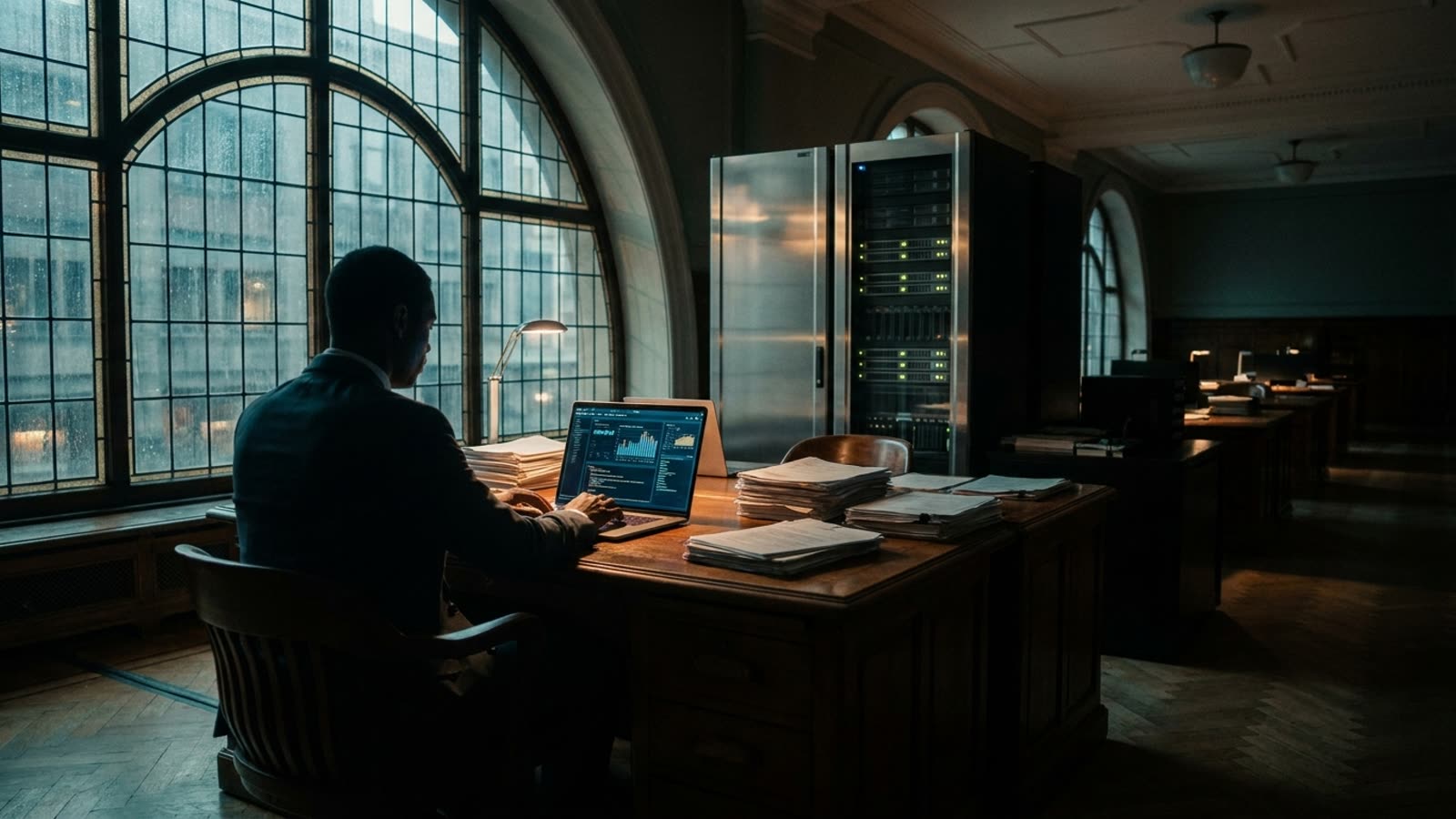
The legal profession has always sold time. Partners bill in six-minute increments, associates track their hours with religious devotion, and paralegals occupy the essential middle ground—doing the voluminous, tedious work that makes litigation and deal-making possible. Now that middle ground is eroding.
Large language models have become remarkably good at the tasks that once kept paralegals employed for decades: reviewing thousands of documents for relevance, extracting key clauses from contracts, summarizing depositions, and conducting preliminary legal research. What once required a team of five working through the weekend can now be accomplished by a single attorney with the right software in an afternoon.
The economics are brutal
A mid-level paralegal in a major American city costs a law firm somewhere between $80,000 and $120,000 annually in salary and benefits. An enterprise AI legal tool runs perhaps $50,000 per year for unlimited use across an entire practice. The math isn't subtle. Major firms have begun quietly reducing their paralegal headcounts, often through attrition rather than layoffs, while simultaneously expanding their AI tool subscriptions.
The shift is most pronounced in litigation, where document review has historically been a paralegal's primary domain. E-discovery—the process of sorting through millions of emails, memos, and files to find relevant evidence—used to require armies of contract workers billing modest hourly rates. AI systems now perform initial relevance screening with accuracy rates that match or exceed human reviewers, at a fraction of the cost and time.
What machines still cannot do
The technology has clear limits. AI cannot appear in court, cannot advise a nervous client through a difficult decision, cannot exercise the judgment that comes from understanding a particular judge's temperament or opposing counsel's negotiating patterns. The relationship aspects of legal work—and there are more than lawyers sometimes admit—remain stubbornly human.
Paralegals who specialize in client-facing roles, court filings, and procedural expertise are proving more durable than their document-review counterparts. The profession isn't disappearing so much as bifurcating: high-touch, relationship-intensive work on one side, and increasingly automated analytical work on the other.
Our take
Law has always been a guild that protects its own, and the profession will likely find ways to slow this transition—through regulation, through professional rules, through the simple inertia of institutional habit. But the fundamental economics are moving in one direction only. Young people considering paralegal careers should understand that the field they're entering will look dramatically different in a decade. The billable hour, that sacred unit of legal commerce, is being disrupted not by reform but by replacement.