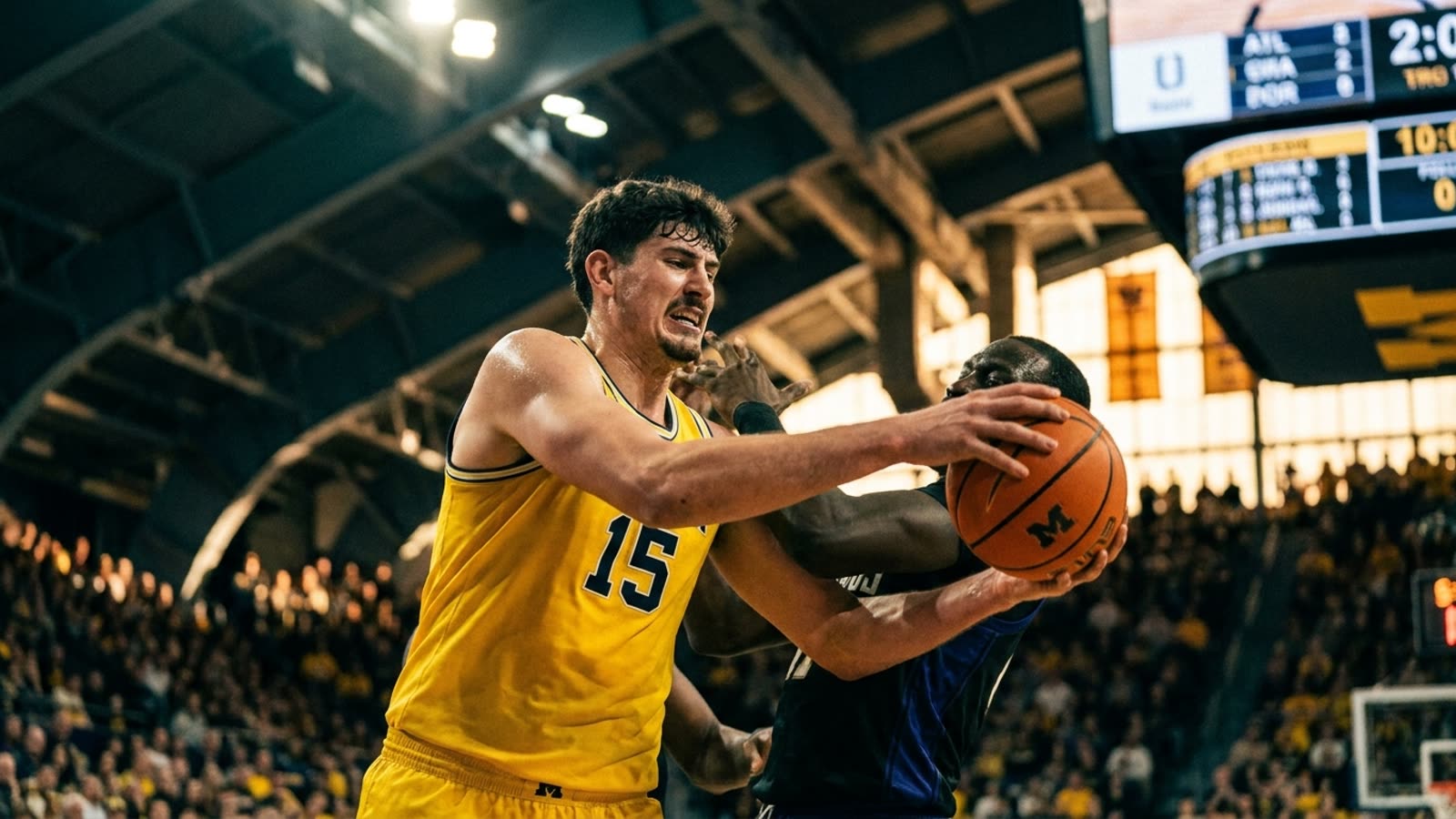
The Oklahoma City Thunder thought they had their project center sorted. Aday Mara, the 7-foot-3 Spaniard drafted in 2024, was finally ready to contribute in a frontcourt that could use depth behind Chet Holmgren. Then a Spanish basketball club filed paperwork claiming Mara is still under contract with them, challenging his eligibility to suit up this season.
This is not a minor bureaucratic hiccup. It is a test case for how the NBA and European leagues will manage the increasingly competitive market for young talent—and whether "buyout" agreements are worth the paper they're printed on.
The contract question
The specifics of Mara's situation remain murky, as these disputes tend to be. European basketball contracts often include buyout clauses that allow players to leave for the NBA, but the terms can be labyrinthine: escalating fees, notification windows, and league-specific regulations that vary from Spain to Turkey to Lithuania. FIBA's transfer rules add another layer. A club that feels shortchanged—or simply wants to make a point—can lodge a complaint and force the NBA team to prove its player is free and clear.
For the Thunder, the timing is awkward. Oklahoma City is in win-now mode after years of patient rebuilding, and while Mara was never going to be a rotation centerpiece immediately, his development matters for a franchise thinking two or three years ahead. Having him in limbo disrupts planning.
Why European clubs are pushing back
This is not the first such challenge, and it will not be the last. European clubs have grown frustrated watching the NBA cherry-pick their best young players, often for buyouts that seem modest relative to the salaries those players will eventually earn. Liga ACB teams, EuroLeague powerhouses, and even smaller domestic clubs have begun asserting their contractual rights more aggressively, viewing it as both a financial and philosophical stand.
The NBA, for its part, has historically treated these disputes as nuisances to be resolved quietly. But as the league expands its international scouting and the talent pipeline from Europe becomes more central to roster construction, the nuisances are becoming structural problems. The Thunder are not the only franchise watching this case closely.
Our take
Mara will almost certainly play this season; these disputes rarely end with a player actually barred from competition. But the Spanish club's willingness to fight signals that the old détente between European basketball and the NBA is fraying. The next generation of international prospects may find their paths to the league more complicated than their predecessors'—and NBA front offices will need to factor legal risk into their draft calculations alongside wingspan and shooting touch.