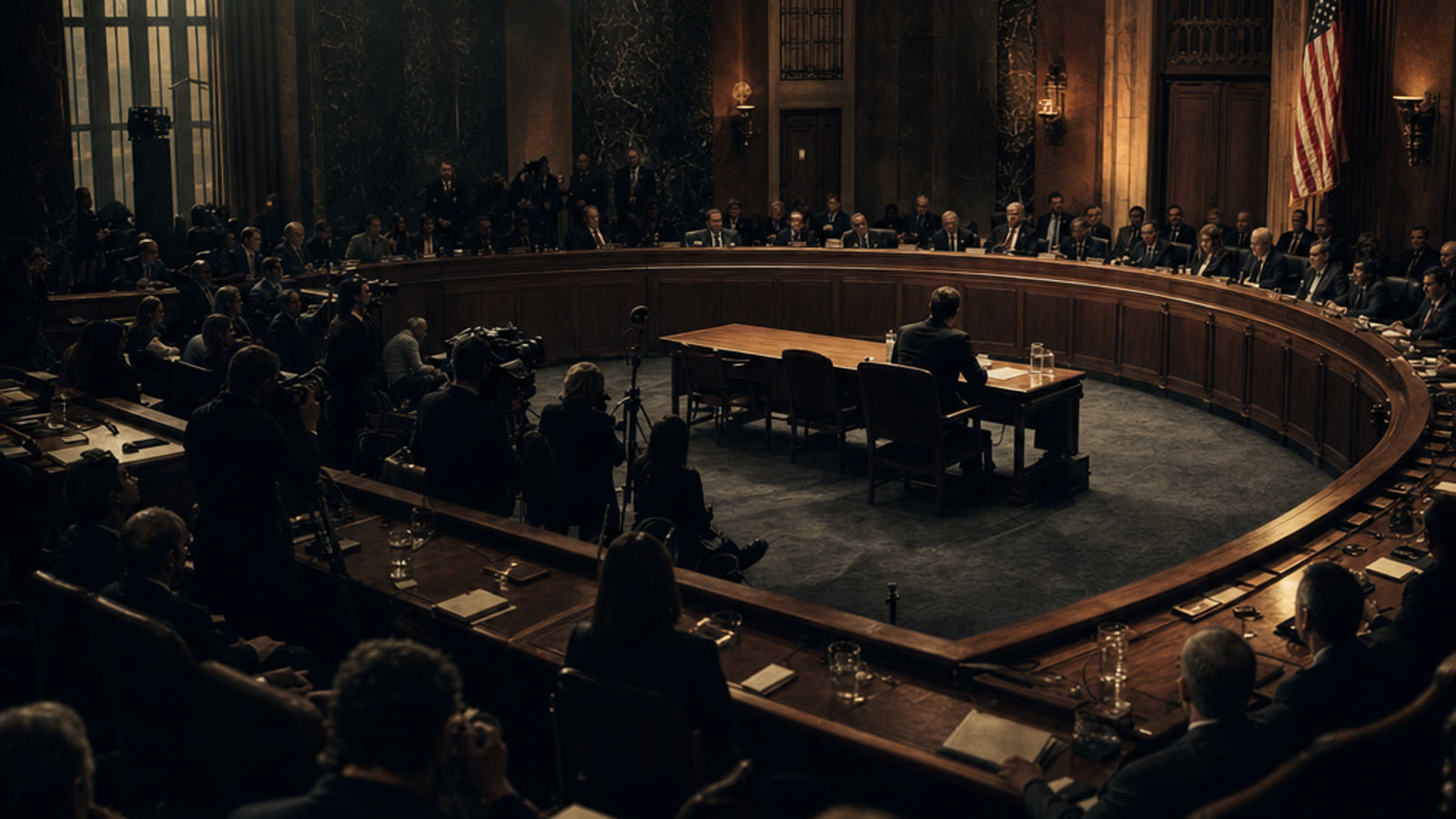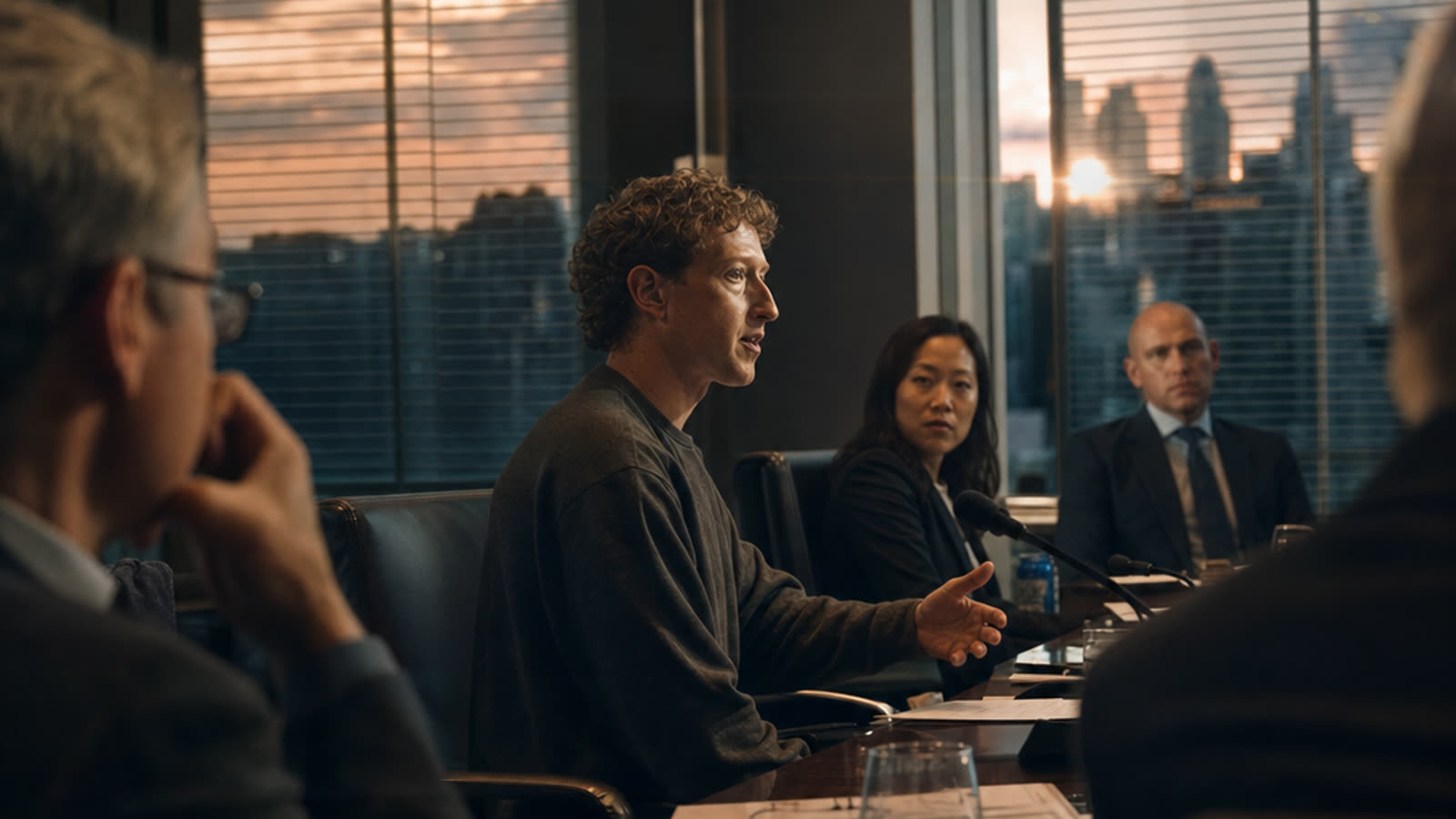
The most powerful man in social media has discovered that the shortest path to regulatory relief runs through Mar-a-Lago.
Mark Zuckerberg's transformation from liberal tech darling to Trump-friendly pragmatist represents one of the more remarkable political pivots in recent corporate history. The Meta CEO, once hauled before Congress to answer for Facebook's role in election interference, has successfully rebranded himself as a free-speech champion aligned with conservative priorities on AI development. The strategy has paid dividends: favorable treatment on artificial intelligence regulation and a notable absence of the antitrust fervor that once threatened to break up his empire.
The art of the pivot
Zuckerberg's charm offensive began with symbolic gestures that cost nothing but signaled everything. He appeared on podcasts popular with the right, expressed regret over content moderation decisions during COVID-19, and positioned Meta as a counterweight to what conservatives call Silicon Valley's liberal bias. The UFC sponsorships and jiu-jitsu hobby didn't hurt either—they softened an image that had calcified into something robotic and out of touch.
But the real work happened in private meetings and policy positioning. On AI, Zuckerberg has advocated for lighter regulatory frameworks that happen to align with the administration's preference for American technological dominance over European-style precautionary rules. Meta's open-source approach to AI models—releasing Llama for public use—has been framed as democratizing technology rather than what critics call a competitive strategy to undercut OpenAI's closed ecosystem.
The transactional presidency
What Zuckerberg understood, perhaps earlier than his peers, is that the current political environment rewards demonstrated loyalty over ideological consistency. Tim Cook pioneered this approach during Trump's first term, visiting factories and announcing investments timed to presidential attention spans. Zuckerberg has simply adapted the playbook for a second act.
The approach carries risks. Meta's workforce skews young and liberal; every Mar-a-Lago dinner creates internal friction. Advertisers who fled Facebook over content moderation concerns may not return simply because the political winds shifted. And the fundamental antitrust questions about Meta's market power haven't disappeared—they've merely been deprioritized.
Our take
Zuckerberg's political chameleonism is neither admirable nor surprising—it's simply rational behavior in an environment where regulatory outcomes depend more on personal relationships than policy merits. The tech industry spent a decade pretending it operated above politics; now it's discovering that politics never operated above tech. Zuckerberg is just playing the game more nakedly than his competitors, and winning. Whether that's good for democracy is a question he's clearly decided isn't his problem to solve.