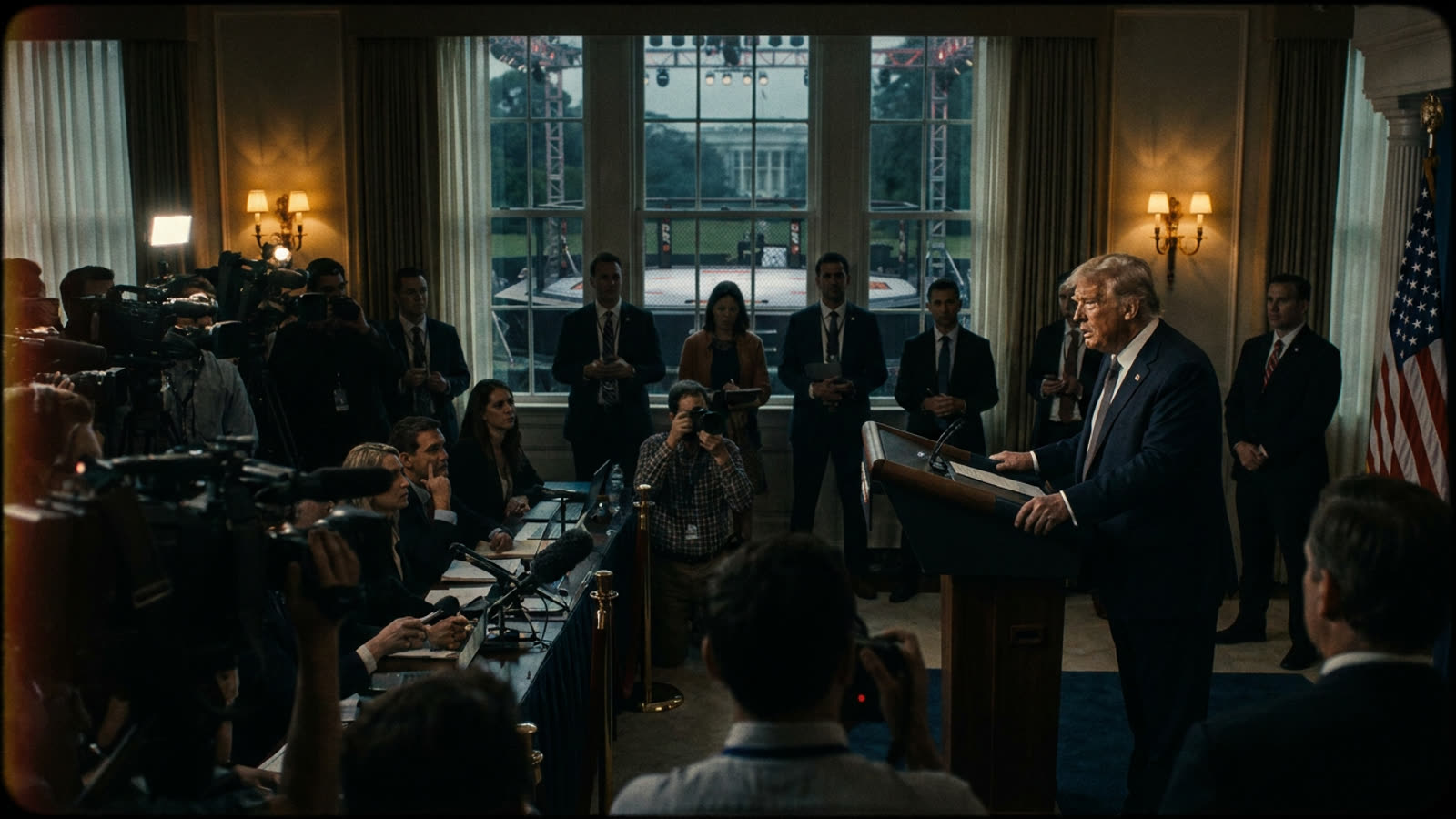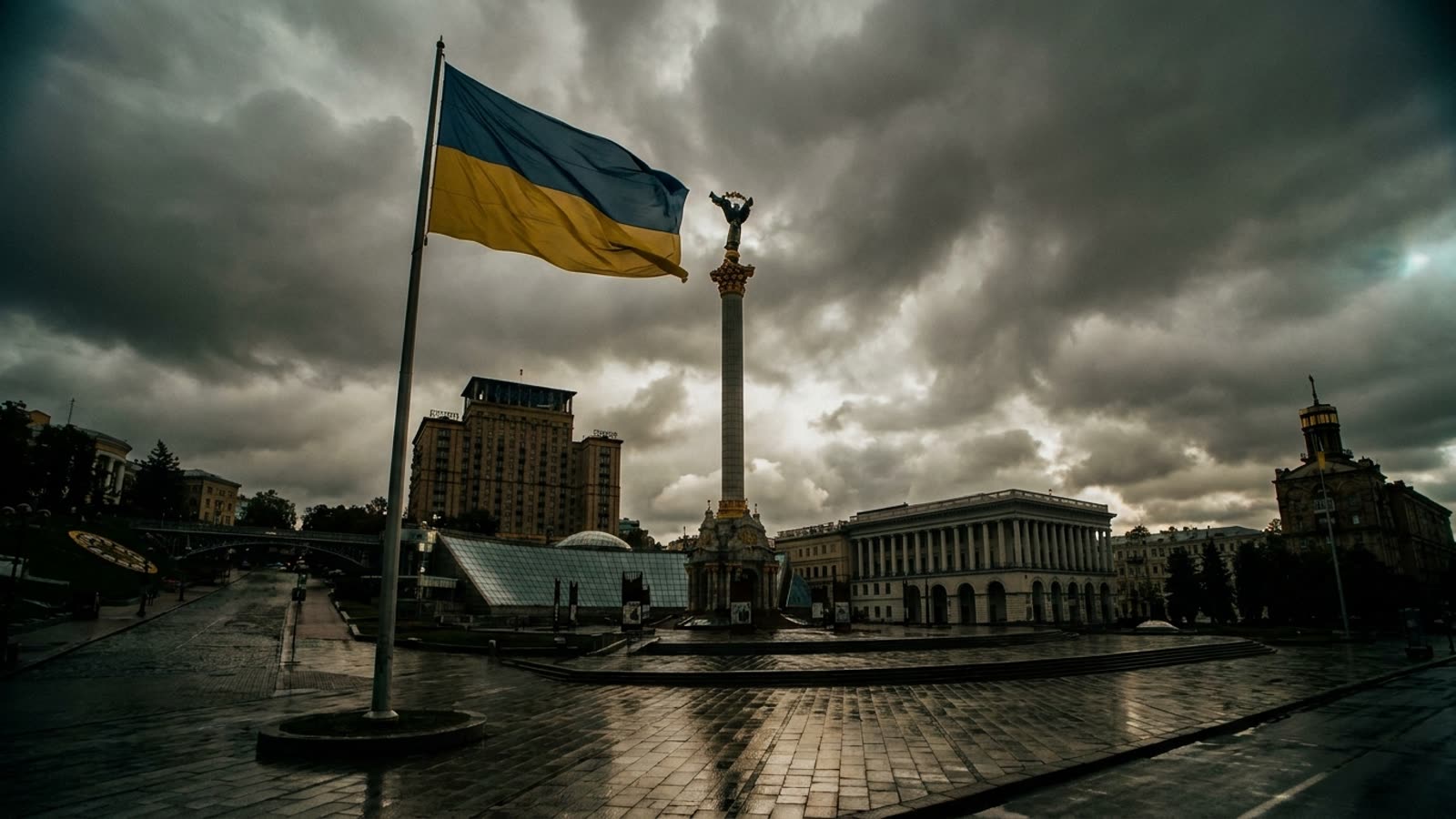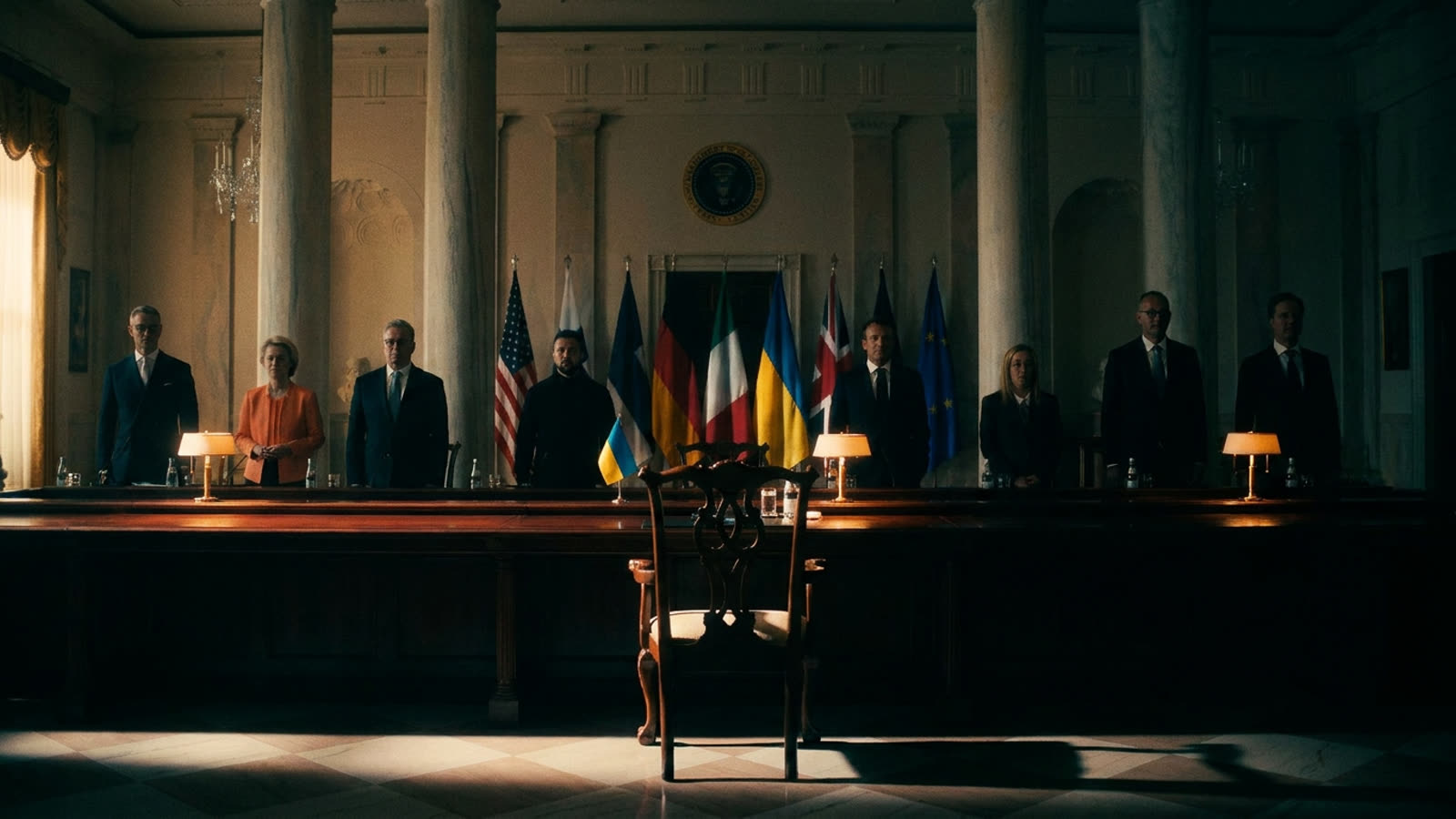
The most consequential moment at this weekend's G7 summit in France may have been a meeting that didn't happen. Ukrainian President Volodymyr Zelenskyy disclosed that he had offered to sit down with Vladimir Putin on the margins of the gathering — an overture that, as of Sunday evening, had produced no public response from the Kremlin.
The timing was deliberate. With the United States and Iran having just agreed to halt hostilities, the diplomatic mood in the South of France was unusually optimistic. Zelenskyy appears to have calculated that the afterglow of one improbable deal might create space for another. It was a reasonable bet, and it has so far lost.
The logic of the offer
Zelenskyy's gambit reflects a cold reading of his position. Western military aid continues, but the pace of battlefield gains has slowed. European economies are straining under the weight of energy costs and refugee flows. And the Trump administration, fresh from its Iran triumph, is clearly eager to rack up additional foreign-policy wins before the midterm elections. A direct Zelenskyy-Putin channel — even an exploratory one — would let Kyiv shape negotiations rather than have terms dictated by intermediaries.
The offer also serves as a public test of Russian intentions. By making the overture known, Zelenskyy forces Moscow into an awkward choice: accept and risk appearing weak, or refuse and confirm that the Kremlin has no interest in talks regardless of circumstances. Putin's silence is itself an answer, and one that Zelenskyy can present to skeptical allies who wonder whether Ukraine is doing enough to pursue diplomacy.
Why Moscow is unlikely to bite
The Kremlin has spent three years constructing a narrative in which any negotiation must proceed from an acknowledgment of Russian territorial gains. A bilateral meeting with Zelenskyy at a Western summit — surrounded by leaders who have armed Ukraine and sanctioned Russia — would shatter that framing. Putin's domestic audience has been told that Zelenskyy is a puppet and that the real negotiation is with Washington. Sitting across from the Ukrainian president as an equal would undercut that story.
There is also the matter of leverage. Russia's military position in eastern Ukraine, while costly, is not collapsing. Moscow has no urgent need to accept terms. The Iran deal, far from pressuring Putin, may actually relieve him: with American attention and diplomatic capital now directed elsewhere, the risk of a surprise U.S. push on Ukraine diminishes.
Our take
Zelenskyy's offer was smart theater and shrewd diplomacy. It cost him nothing, reinforced his image as the reasonable party, and put the burden of refusal on Moscow. But it will not produce a meeting, and everyone involved knows it. The war in Ukraine grinds on not because leaders lack opportunities to talk, but because the underlying interests remain irreconcilable. Putin wants territory and a neutered Ukrainian state; Zelenskyy wants sovereignty and security guarantees. Until one side's calculus changes — through battlefield shifts, economic exhaustion, or political upheaval — summits will continue to produce dramatic gestures and little else.