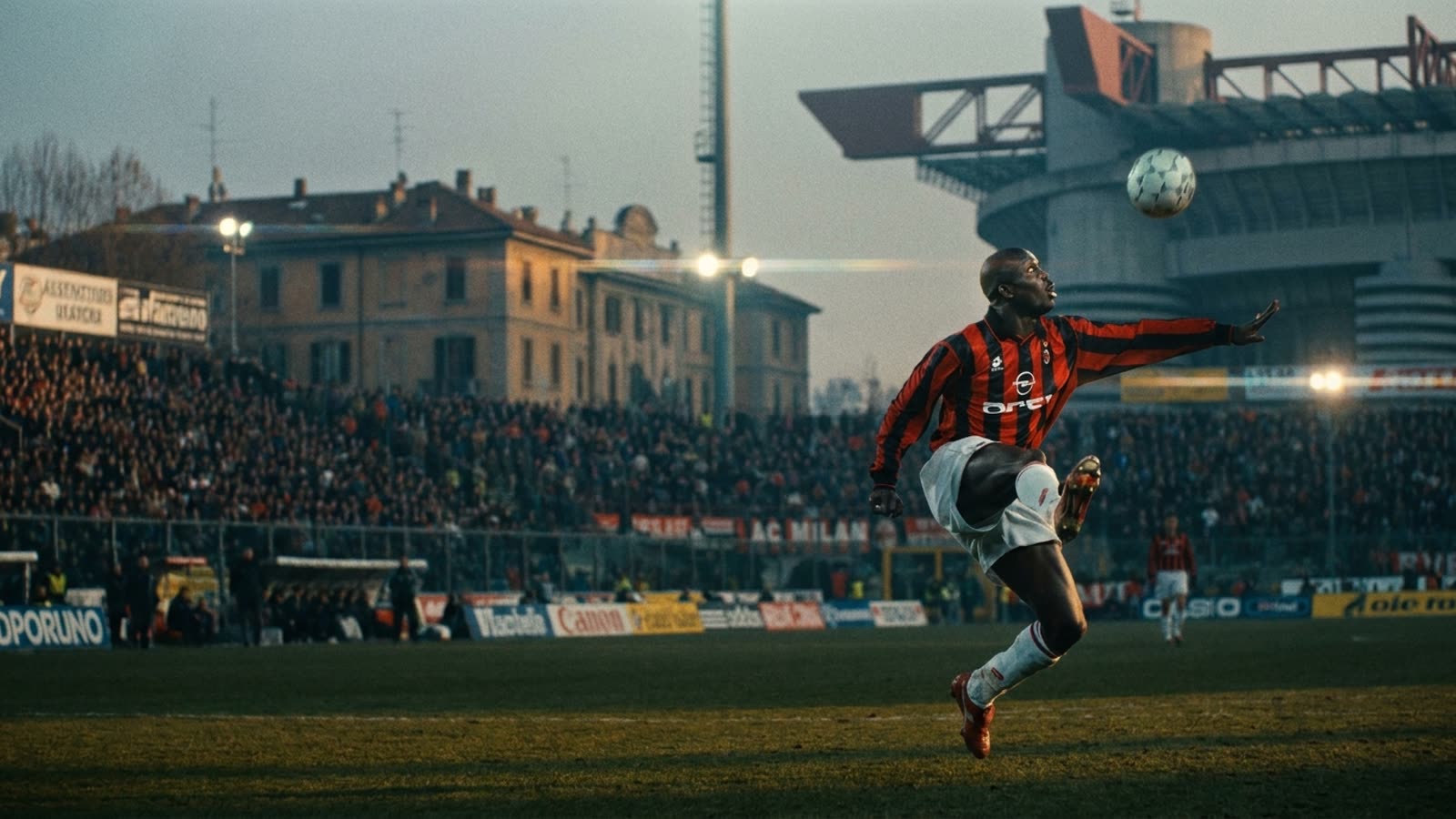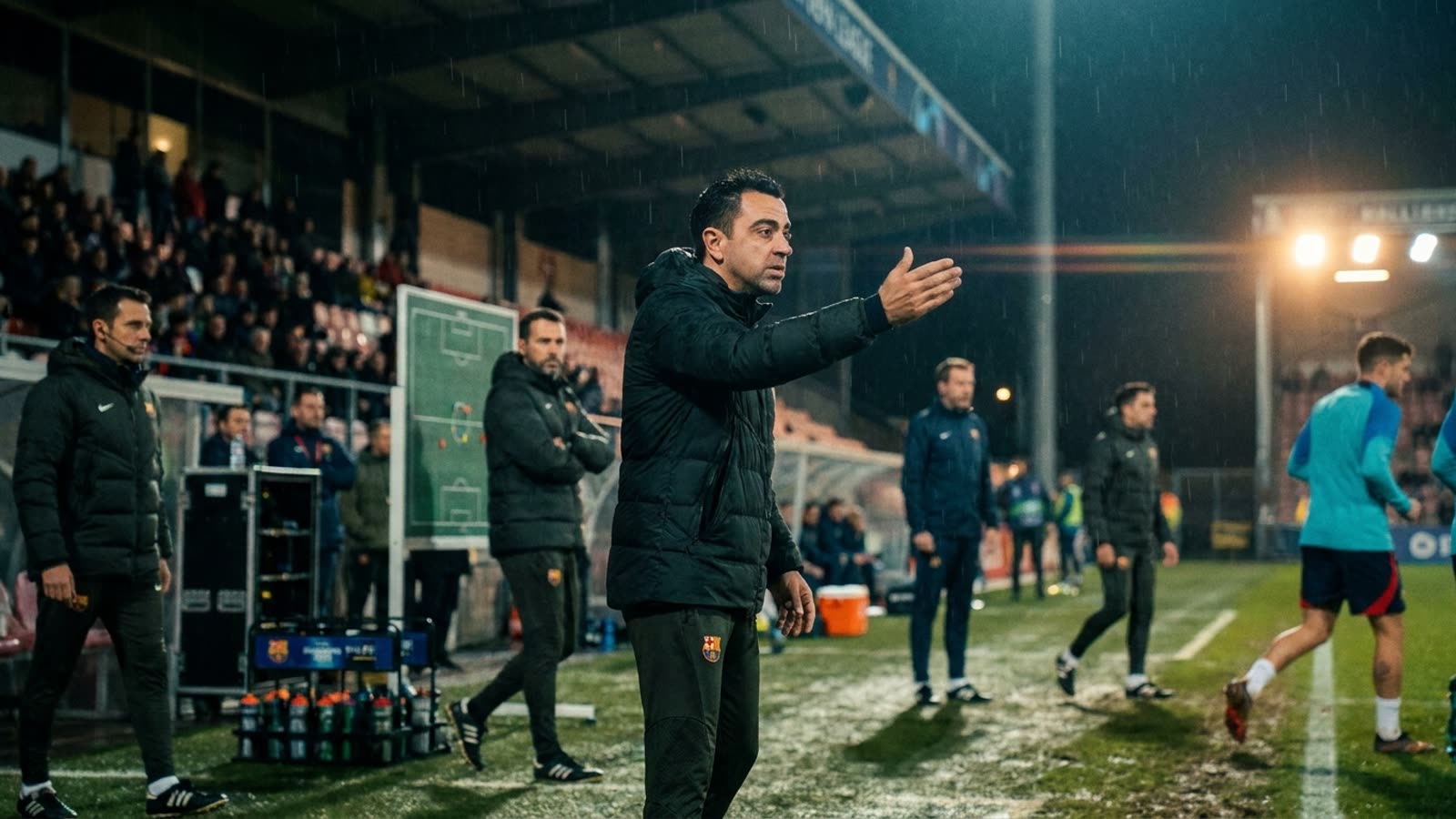
There is a famous photograph of Xavi Hernández from the 2010 World Cup final, taken milliseconds before he releases a pass. His body is angled toward one direction, his eyes are fixed on another, and somewhere off-frame, a Spanish teammate is about to receive the ball in space that does not yet exist. The Dutch defender marking him has already lost. He simply does not know it yet.
This was the Xavi paradox: a player who appeared to do very little while doing almost everything. He rarely beat opponents with pace. His shooting was competent but unremarkable. He did not possess the balletic grace of Zinedine Zidane or the explosive acceleration of a young Thierry Henry. What he possessed instead was something far more difficult to quantify and nearly impossible to coach—a cognitive map of the football pitch that seemed to update in real time, processing twenty-two moving variables and calculating optimal outcomes faster than anyone around him.
The architecture of control
Xavi's Barcelona career, spanning from the youth academy to first-team retirement, coincided with the most dominant club period in modern football history. Under Pep Guardiola, the team won fourteen trophies in four seasons, playing a brand of possession football so suffocating that opponents sometimes completed fewer than a hundred passes in ninety minutes. Xavi was the system's central processor. His pass completion rates routinely exceeded ninety percent, but the statistic misses the point. It was not that he rarely lost the ball; it was that he consistently found passes that unlocked defensive structures, turning sideways possession into vertical threat.
The Spanish national team's transformation mirrored this philosophy. Before Xavi's generation, Spain were perpetual underachievers, talented but brittle when tournaments demanded composure. The 2008 European Championship, 2010 World Cup, and 2012 European Championship victories represented not just a trophy haul but a fundamental shift in footballing identity. Spain became synonymous with control, with the idea that keeping the ball was itself a form of attack.
The geometry of passing
Watch Xavi receive a pass and you notice something counterintuitive: he often takes a touch that appears to slow down play. Where other midfielders might look to advance quickly, Xavi would frequently check his shoulder, adjust his body shape, and wait an extra half-second. That pause was the tell. He was not slowing down; he was recalibrating, allowing the defensive structure to commit before exploiting its gaps.
His partnership with Andrés Iniesta became the most celebrated midfield combination of its era, but the two operated on different principles. Iniesta was improvisational, capable of conjuring moments from chaos. Xavi was systematic, reducing chaos to order. Together, they made Barcelona's midfield a place where opponents went to chase shadows.
Our take
Xavi Hernández retired from playing nearly a decade ago, but his influence echoes through every team that prioritizes possession, every youth academy that teaches players to receive on the half-turn, every tactical analyst who speaks of "progression" and "third-man combinations." He proved that football's most valuable real estate is not the penalty box but the spaces between the lines—and that the player who controls tempo controls the match. In an era increasingly obsessed with athletic specimens, Xavi remains a monument to the idea that the brain is the most important muscle on the pitch.