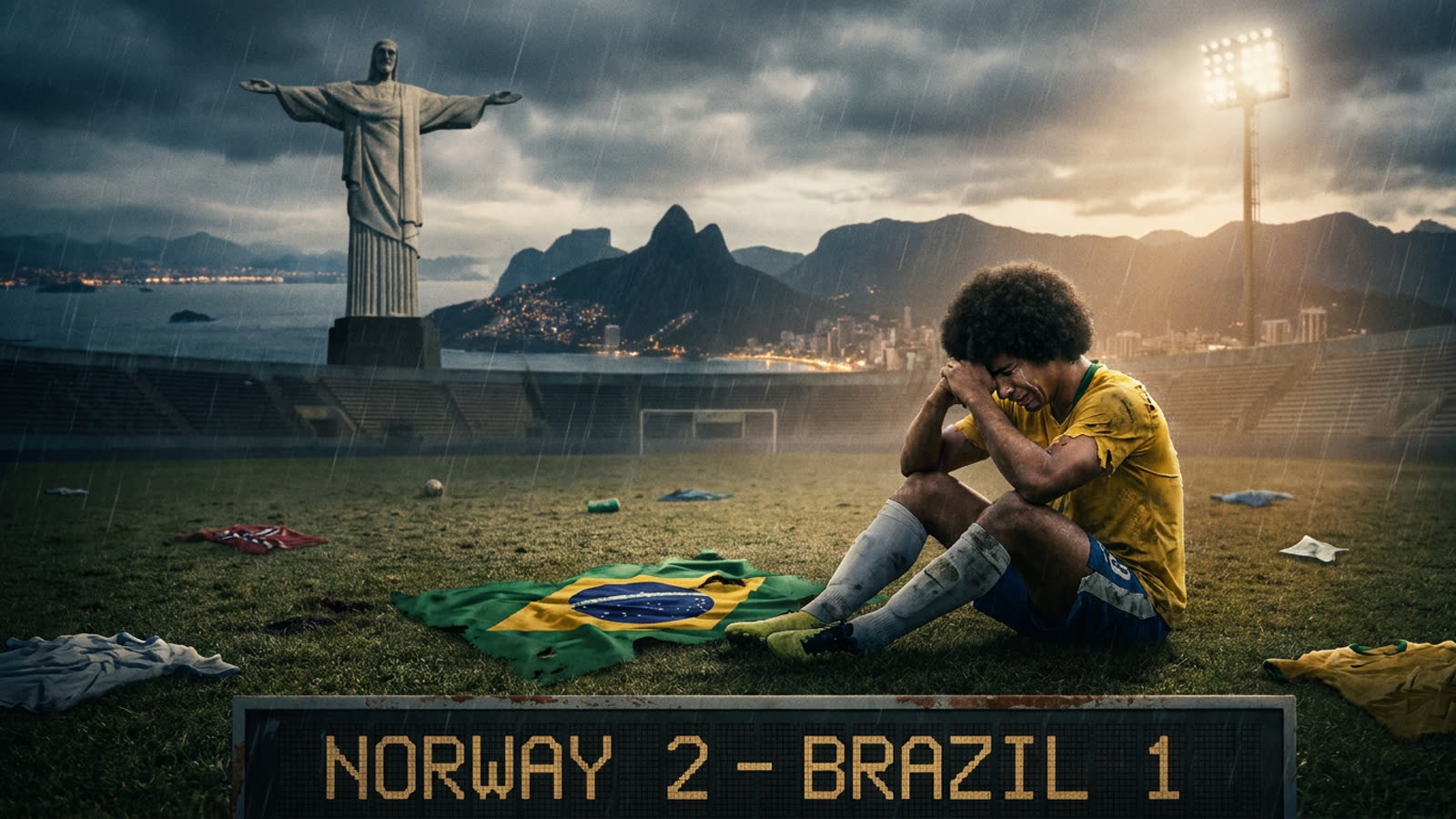
The enduring myth of the penalty shootout is that it reduces football to a coin flip, a cruel and arbitrary way to settle matches that deserve better. This is nonsense. The shootout is one of the most psychologically revealing formats in sport, a ritual that strips away the chaos of open play and exposes character in its rawest form. The teams and nations that consistently fail from twelve yards do so not because fortune abandons them, but because they have refused to take the exercise seriously.
Consider the evidence. Germany, until their recent wobbles, converted at historically elite rates because their federation treated penalties as a technical skill to be drilled, not a moment to be feared. The Netherlands, by contrast, have accumulated a museum of shootout trauma stretching back decades, and their players approach the spot with the body language of men awaiting sentencing. England's transformation from perennial chokers to competent converters under Gareth Southgate was not mystical; it was the product of dedicated practice, sports psychology, and a manager who had missed one himself and understood the weight of the walk.
The goalkeeper's information war
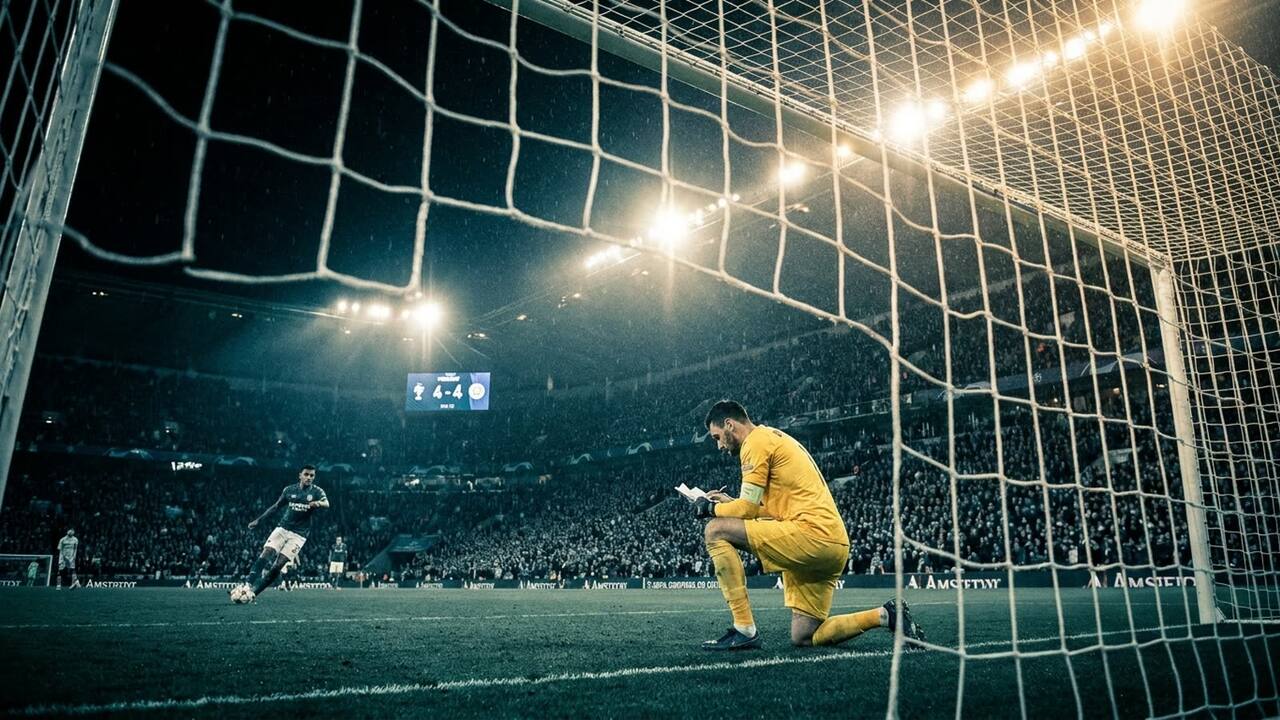
The modern shootout is won as much in the video room as on the pitch. Elite goalkeepers now study opponents with the intensity of poker professionals reviewing hand histories, cataloguing tendencies, favored corners, and tells in run-up rhythm. When a keeper dives the right way and saves, commentators call it a guess. It rarely is. The best read the hips, the planted foot, the angle of approach, and combine that with hours of footage showing where a particular striker has gone under pressure before. The margins are slim—a goalkeeper who saves two in five is a hero—but those margins are manufactured through preparation.
Why nations choke
Penalty failure is cultural before it is technical. Teams that view the shootout as an imposition, an unfair addendum to the real game, tend to lose them. Teams that embrace the format as a legitimate skill to master tend to win. The difference is not talent; it is institutional attitude. A federation that schedules regular shootout simulations in training, that brings in psychologists to work on breathing and visualization, that selects penalty takers based on data rather than seniority—that federation will outperform one that treats the whole affair as beneath serious attention. The lottery framing is a self-fulfilling prophecy: believe it is random, prepare as if it is random, and your results will indeed appear random.
Our take
The penalty shootout is football's most honest examination. It cannot be blamed on the referee, the weather, or a deflected goal. It is you, the ball, and the goalkeeper, repeated five times or more until someone blinks. The teams that treat this as beneath them deserve their heartbreak. The ones that drill it, study it, and respect it deserve their glory. There is no luck at twelve yards—only the accumulated residue of preparation meeting the moment.