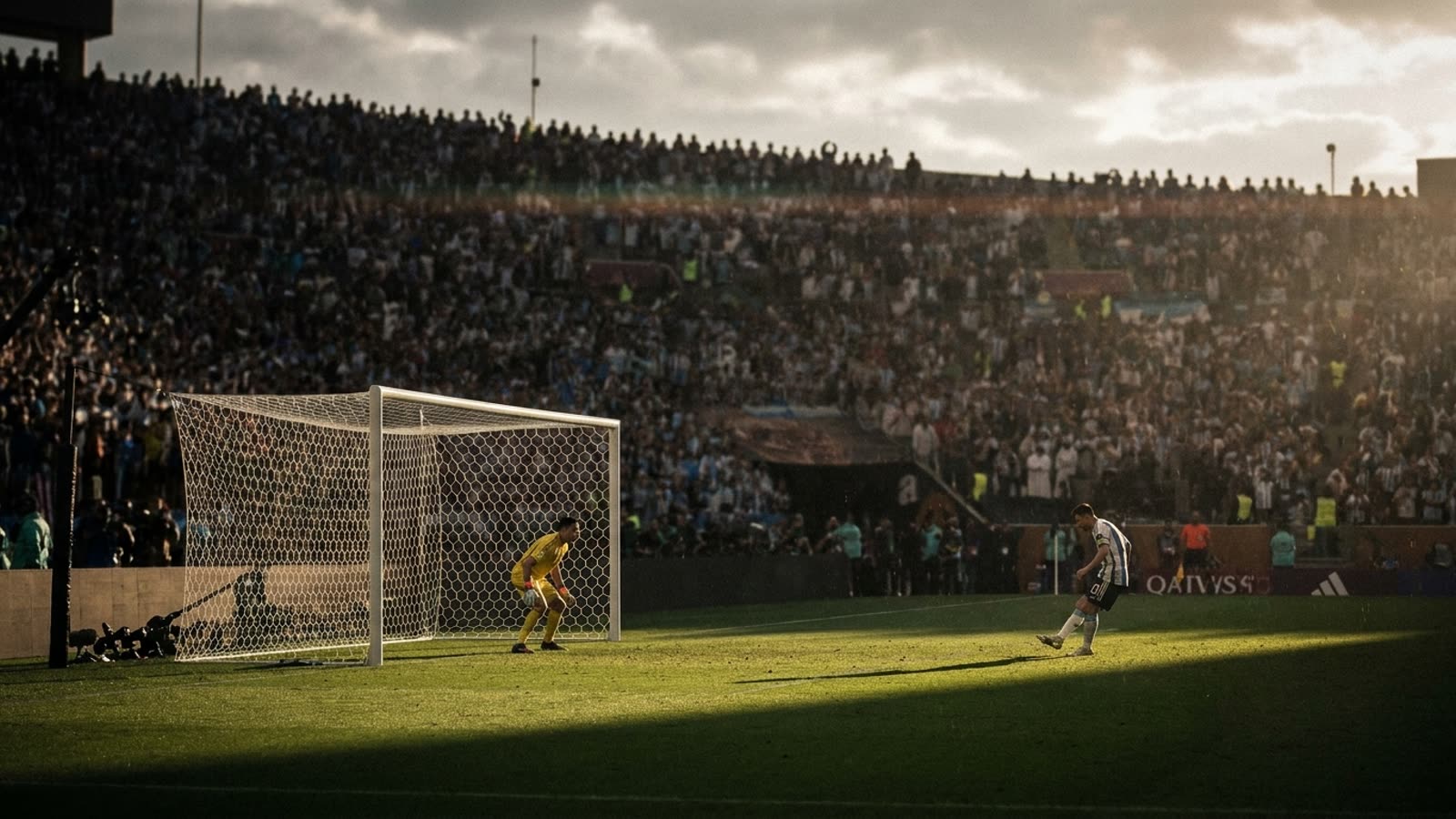
The penalty shootout is football's great lie. Marketed as a fair tiebreaker, it is in fact a psychological ordeal that punishes the team that goes second, rewards the shameless, and creates generational trauma that echoes through entire footballing cultures. That it remains the sport's preferred method for deciding its most important matches tells us something uncomfortable about what we actually want from competition.
The format seems simple: five kicks each, alternating, closest to goal wins. In practice, it is a ritualized examination of nerve conducted before a global audience, where the kicker has roughly 0.4 seconds to decide where to place the ball and the goalkeeper must guess before the foot makes contact. The mathematics favor the shooter—conversion rates hover around 75 percent in World Cup shootouts—yet that 25 percent failure rate has ended more dreams than any defensive system ever devised.
The architecture of pressure
Research into shootout psychology has produced findings that would surprise no one who has watched one through their fingers. Teams that shoot first win approximately 60 percent of the time, an advantage so significant that FIFA experimented with an ABBA format before abandoning it. The explanation is straightforward: going second means perpetually responding to pressure rather than creating it. Miss when you are behind, and the tournament is over. Miss when you are ahead, and the pressure transfers to your opponent.
More revealing is what happens to technique under stress. Laboratory studies show that anxious penalty takers fixate on the goalkeeper rather than their target zone, a phenomenon called "attentional narrowing" that increases the likelihood of a central, saveable strike. The best penalty takers—those who convert at rates above 85 percent—share a counterintuitive trait: they appear almost bored. They have pre-committed to a corner and refuse to engage in the psychological chess match the goalkeeper desperately wants.
National inheritances
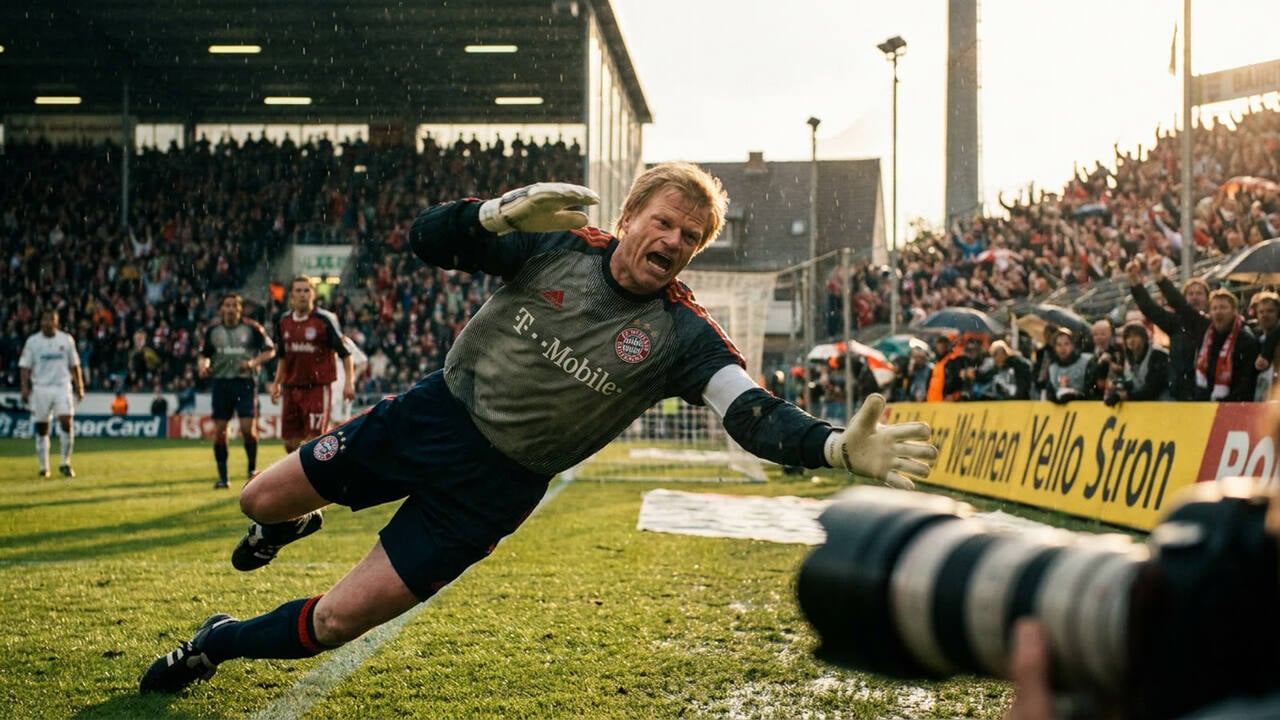
Certain countries carry shootout histories like ancestral burdens. England's record is the most analyzed, with eliminations from major tournaments becoming a recurring national narrative that players must actively work to forget. The German national team, by contrast, built a reputation for shootout excellence that itself became a psychological weapon—opponents expected to lose before the first kick was taken.
What changed these trajectories was not technique but narrative intervention. Sports psychologists embedded with national teams began treating shootout preparation as trauma work, helping players construct new mental frameworks that disconnected present kicks from historical failures. The shift required acknowledging something football cultures resist: that the shootout is not primarily a football skill but a psychological event that happens to involve a ball.
Our take
The shootout endures because it delivers what extra time cannot: a definitive ending with identifiable heroes and villains. Football's governing bodies have studied alternatives—golden goals, corner-kick counts, wider goals for overtime—and rejected them all because none matches the shootout's theatrical cruelty. We have collectively decided that watching young athletes experience the most public failure imaginable is an acceptable price for narrative clarity. The shootout is not a flaw in football's design; it is a feature that reveals our appetite for drama dressed as sport.